
Why Bream Fishing Is Tricky (But So Rewarding!)
Let’s be real: bream are the sneaky troublemakers of freshwater fishing. You’re out targeting carp or crucian carp, waiting patiently for a bite, and suddenly your float does something weird—maybe it bobs up, drags down, or just freezes mid-movement. You yank the rod, and surprise! It’s a plump bream that stole your bait. These fish follow fixed migration patterns, stick in schools, hang out in the middle and lower water columns, and are technically herbivores… yet they lose their minds over the same fishy-scented baits we use for crucian carp. Go figure! But once you crack their code, bream fishing becomes one of the most fun, consistent freshwater pursuits out there. Let’s break down everything you need to know to catch bream in every season.
Spring, Summer, and Early Fall: When Bream Are Hungry and Hyper
When the weather’s warm and the water’s teeming with aquatic plants, bugs, and grass, bream are in their element. They’re active, they’re feeding nonstop, and this is when you can load up your cooler fast. First things first: ditch the traditional fishing setup and grab a match fishing rig.
Why Match Fishing Crushes Traditional Rigs for Warm-Weather Bream
Match fishing rigs use baits with insane clouding properties. As soon as that bait hits the water, fine particles spread out in a cloud, calling every bream within a 10-yard radius to your spot like a dinner bell. Traditional baits just can’t compete with that kind of fast attraction. Trust me—once you try match fishing for bream in warm weather, you’ll never go back to old-school setups for this species.

Rainy Days = Bream Gold Days
Don’t let a little rain keep you inside! When it rains, rivers and streams carry all kinds of tasty treats into the water—fallen leaves, insects, and even scraps from shoreline vegetation. Bream know this, so they’ll camp out in areas where the current brings in these free meals. Here’s how to capitalize:
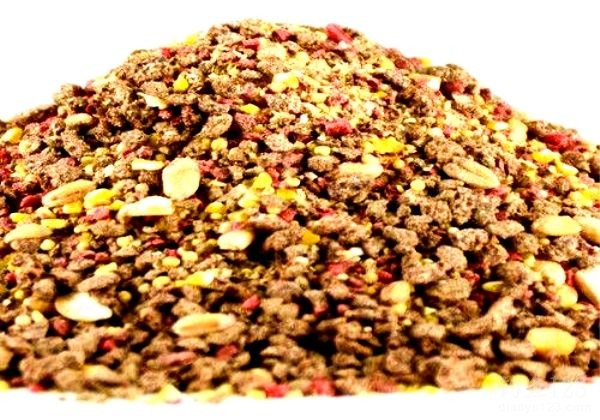
- Start with a groundbait mix to pull them in fast: Combine wheat bran, rapeseed cake, wheat grains, and broken rice. The fine, powdery parts will cloud the water and draw bream in, while the hard grains will keep them hanging around your spot way longer than fancy (and overpriced) herbal baits or wine-soaked rice.
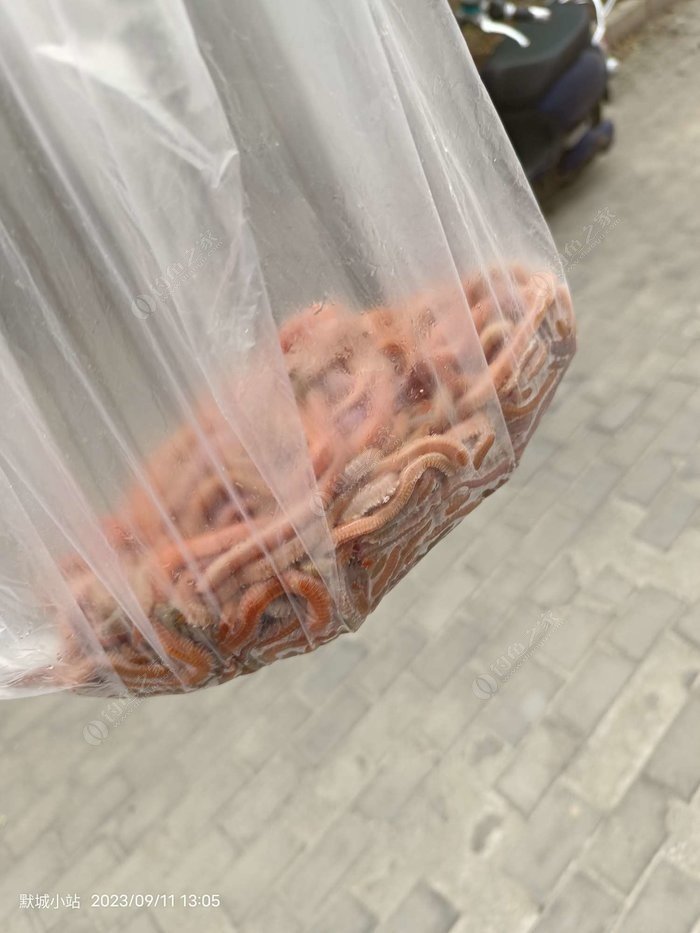
- Once the school moves in, switch to hook baits they can’t resist: Wheat grains, fresh vegetable leaves, cooked rice, red worms, or earthworms work like a charm. Skip the fancy commercial baits here—bream go crazy for simple, natural options when there’s already tons of food in the water.
April and Beyond: Roaming Bream and the “Spot and Cast” Method
Once April rolls around, every living thing in the water starts growing like crazy, and bream abandon their hiding spots to roam the entire water body in search of food. This is when roving fishing becomes your secret weapon.
- Grab a long, lightweight rod that’s easy to maneuver. You’ll need to cast far to reach bream that’s feeding in open water, and you want something that lets you yank the fish out of the school fast—if you spook the rest of the bream, they’ll bolt, and you’ll be stuck waiting hours for a new school to show up.
- Keep your eyes peeled for signs of bream: Look for small ripples on the surface, or areas where aquatic plants are getting nipped at. Once you spot a group, cast your bait right to their feeding zone.
- Watch your float like a hawk! Bream give away their bites in three main ways: the float bobs upward (called a “lift bite”), it drags under the water, or it just stops moving mid-drift. Any of these signs mean it’s time to yank that rod and start reeling.
Late Spring and Mid-Fall: Bream Hide in the Weeds—Here’s How to Find Them
As the weather starts to cool down a little (late spring) or heat up a little (mid-fall), bream change up their routine. They’ll hide in reed beds or thick patches of aquatic plants during the early morning and late evening, where they feel safe while they feed. The catch? If you spook one fish, the whole school will bolt, and you’ll be left staring at an empty spot for hours.
The solution? Stay mobile! Don’t camp out in one spot for too long. If you don’t get a bite in 15 to 20 minutes, pack up and move to a new reed bed or weed patch. This might sound like a lot of work, but it’s the only way to keep catching bream consistently during these transition periods. And remember: when you do hook a fish, yank it out of the weed patch and away from the school as fast as possible. No slow, gentle reeling here—speed is your friend!
Summer Bream Fishing: Beat the Heat with Simple Baits
When the sun is blazing and the water feels like a bath, bream get a little pickier about their food. Heavy, strong-smelling baits will turn them off—they want light, fresh, natural options. Here’s how to catch them when it’s hot:
- Skip the complicated bait mixes! Grab some fresh vegetable leaves (like lettuce or cabbage) and hook them directly onto your line. It sounds too simple, but bream go nuts for this in the summer.
- Wheat grains are another winner. Once you’ve drawn a school in with groundbait, switch to wheat grains and fish them about 8 inches off the bottom. Bream love feeding just above the lake or river bed in the summer, so this setup will get you way more bites than fishing right on the mud.
- Want to try something different? Grab a sea rod with a string of hooks, bait each one with a vegetable leaf, and cast it out. You’ll catch bream, but you might also hook a grass carp or crucian carp as a bonus—win-win!
Winter Bream Fishing: Patience Is Key (But It’s Worth It)
Let’s be honest: winter bream fishing is not for the faint of heart. The water is cold, your fingers will go numb, and bream are slow, lazy, and not very hungry. But if you can crack the winter code, you’ll catch some of the biggest bream of the year—they grow all summer, and by winter, they’re absolute slabs. Here’s what you need to know:
Set Up for Success in Cold Water
- Head deep! Bream will move to the deepest parts of the lake or river, where the water temperature is the most stable. Forget shoreline spots—you’ll need to cast out to the middle of the water body.
- Use a super sensitive rig. Bream bite very softly in winter, so you need to be able to detect the tiniest movement. A small float, thin line, and lightweight hook are non-negotiable here.
- Go for fishy, strong-smelling baits. Remember how I said bream are technically herbivores? Throw that out the window in winter. They need high-protein food to stay warm, so red worms, earthworms, or fishy-scented commercial baits will get you way more bites than vegetable leaves or wheat grains.
Know When to Stay Home
If it’s windy, cloudy, or the temperature drops suddenly, save your energy. Bream will bury themselves in the mud and not move an inch. Wait for a calm, sunny day when the temperature stays steady—those are the winter days that pay off.
Final Pro Tip: Scout Like a Pro, Fish Like a Pro
No matter the season, take 10 minutes when you arrive at your spot to scope out the area. Bream love hanging out in specific spots:
- Points of land that stick out into the water (called “spurs”)
- Underwater ridges or drop-offs
- Areas with sunken logs, rocks, or other cover
Cast your bait near these spots, and take notes on what works. Did you get more bites near the underwater drop-off? Did the bream prefer wheat grains over worms? Keep a little notebook in your tackle box, and by the end of the season, you’ll have a personalized bream fishing playbook that no one else has.
At the end of the day, bream fishing is equal parts skill and fun. You’ll have days when you can’t keep them off your line, and days when you go home empty-handed. But that’s part of the magic, right? Every bite feels like a small victory, and every big bream you land is a story you’ll tell your fishing buddies for years. Now grab your rod, tie on a bait, and go catch some bream—they’re waiting!