Hey Fellow Anglers—Let’s Talk Homemade Bait Magic!
What’s up, everyone? I’m “Blue Knife Killer,” a regular at Fishing Home. Man, the fishing season’s finally here, but let’s be real—fishing’s not always smooth sailing. Black pit stocked fish? They’re so finicky lately! Between water changes, weird weather, and getting spooked from being caught and released, they act like my bait’s poison. And don’t even get me started on wild fishing—those tiny little fish are like a swarm of piranhas, stealing bait before the big ones even notice! Ugh, total buzzkill, right?
But here’s the thing: More and more anglers are ditching store-bought stuff and making their own bait—and for good reason! Making your own isn’t just fun (who doesn’t love mixing stuff up in the garage?), it actually works better. You can tweak it exactly for your spot, your fish, your day. And one of my go-to homemade baits? Rubber band pellets. These bad boys are game-changers for those picky black pit fish and keeping small fry away in wild spots. But wait—before you roll your eyes and say “pellets are too simple,” hold up! They’re way more versatile than you think. Sometimes, pellets do what dough baits, shaking baits, or even lures can’t. No joke—don’t sleep on ’em!

Today, I’m spilling my secrets on making rubber band pellets. If I mess up anything, feel free to call me out—I’m here to learn too! Let’s dive in.
First: Why Make Rubber Band Pellets, Anyway?
Let’s get crystal clear on what these pellets are for—because if you don’t know your goal, you’re just mixing random stuff. My two main reasons:
- Black pit fishing: Targeting those “unadapted” fish that won’t touch regular bait.
- Wild fishing: Dodging those annoying small fry that hijack your hook every time.
To nail these goals, your pellets need two things: broad appeal (so different fish will bite) and tastiness (so they can’t resist). That means you’ve got to nail the ingredients. Here’s the basic breakdown I use:
- Aquatic pellet feed: 30% to 60%
- Commercial bait: 30% to 60%
- Other natural ingredients: 10% to 20%
- Additives (like fishing scents): A tiny bit—less is more!
- Sticky powder: Enough to hold it all together.
Notice the big ranges for the first two? That’s intentional! If you’re fishing black pits, load up on aquatic pellet feed. If you’re going wild, lean more on commercial bait. Simple, right? But let’s break each ingredient down—this is where the magic happens.
Ingredient 1: Aquatic Pellet Feed (The Foundation)
This is the backbone of your pellets. Pick the right one, and you’re halfway there. Here’s what I do:
Stick to Local or Popular Brands
Why local? Because the fish in your area are used to eating what the local fish farms feed them! If you can’t find local, grab a well-known brand that everyone uses. This ensures your pellets smell and taste familiar to the fish—they won’t think it’s a trick.
Check the Flavor (Critical!)
First, try to figure out what’s in the pellet and what it tastes like. If you can’t? Go for plain vegan pellets. Why? Because it’s easier to add flavors later. Let’s say you want a super fishy pellet to get stubborn fish biting—grab a pellet with fish bone meal or shrimp powder, then add more fishy commercial bait. If you want a non-fishy pellet (great for avoiding small fry), start with plain vegan pellets and skip the fishy add-ons. Makes sense, right? Your base sets the tone for the whole pellet.
Ingredient 2: Commercial Bait (The Flavor Boost)
Commercial bait adds extra oomph, but you’ve got to pick the right kind. Here’s my rule:
Avoid Too Much Fishy Scent
Remember our goals? Picky black pit fish and wild fish avoiding small fry. Too much fishy scent? It’ll either turn off the shy black pit fish or attract even more small fry. How to tell? Compare the bait’s smell to pure fish bone meal—if it’s way stronger, skip it. Go for bait with little to no added fishy stuff.
Pick Puffed Bait for Tastiness
Puffed commercial bait (you know, the light, airy kind) is way more palatable for fish. It’s easier for them to bite and digest, so they’ll hold onto it longer. Win-win!
Go for Fruit Flavors (Most of the Time)
Fruit-flavored bait is safe and works for most fish. If you know the fish in your spot love something specific (like vanilla or corn), go for it. But if you’re unsure? Fruit is your best bet—it’s not too strong, and it won’t attract a ton of small fry.
Ingredient 3: Other Natural Ingredients (The Secret Sauce)
These are the little extras that make your pellets stand out. My tip? Stick to natural stuff with no (or minimal) human-added chemicals. Why? Because we want the pellets to feel “natural” to the fish—no weird artificial stuff that scares them off. Here’s a quick cheat sheet for common fish and seasons (but remember, this is general—always adjust for your spot!):
- Carp: Spring/Summer: Corn meal, sweet potato powder; Fall/Winter: A tiny bit of shrimp powder (but not too much!)
- Crucian Carp: Spring/Summer: Algae powder, fruit-flavored additives; Fall/Winter: A touch of fish bone meal
- Grass Carp: All seasons: Fresh vegetable powder (like lettuce or spinach) – keep it light!
But wait—don’t just copy this! If your local lake’s grass carp go crazy for corn, swap the veggie powder for corn meal. The key is to watch what the fish are eating naturally and match that.
Step 1: Mix & Grind Your Ingredients
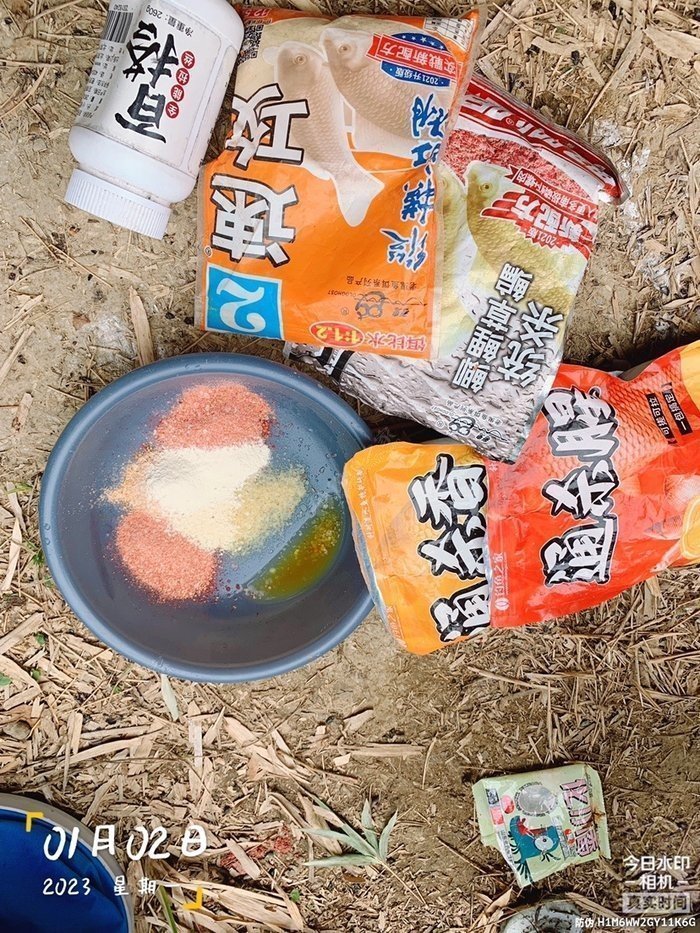
Once you’ve got all your ingredients, it’s time to prep them. First, mix the aquatic pellets, commercial bait, and natural ingredients together in a bowl. Then, grind them into a fine powder—you want it smooth so the pellets hold together well. A coffee grinder works great for this (just don’t use it for coffee afterward… trust me).
Step 2: Add Water & Additives (Go Easy!)
Now, slowly add water to the powder while stirring. You want a dough-like consistency—not too wet, not too dry. Then, add your fishing additives (scents or flavors). Here’s the golden rule: Less is more. Especially for picky black pit fish or small fry-prone wild spots—too much sweet or strong scent will backfire. I usually use 1/4 the amount the bottle says. If you’re not sure? Skip it entirely. Sometimes plain is better.
Wait—No Exact Brands or Amounts? Let Me Explain!
I know what you’re thinking: “Dude, just tell me which brand to buy!” But here’s the thing—we all fish in different places. The water, the fish, the weather—everything’s different. If I tell you to use Brand X aquatic pellets, but your local fish eat Brand Y, it won’t work. Making your own bait is all about adapting to your spot. Use what you have, tweak it, and see what works. That’s the fun of it! You’re not just following a recipe—you’re problem-solving, and that’s when you catch the big ones.
Wrap-Up (For Now!)
Alright, that’s the prep work done! Next time, I’ll show you how to shape the dough into pellets, add the rubber bands, and store them so they stay fresh. Trust me, it’s easier than it sounds.
Hey, if you’ve made your own rubber band pellets before, drop a comment! I’d love to hear your tips—maybe you’ve got a secret ingredient I haven’t tried. And if you’re new to this, don’t stress—start simple, experiment, and you’ll get the hang of it.
Until next time, tight lines and big catches! Can’t wait to share the rest of the process with you.
Fishing123 original article. Unauthorized reproduction is prohibited! Violators will be held accountable!