Master These Fishing Tips to Skyrocket Your Catch Rate Instantly!
Let’s be real—fishing isn’t just a hobby for me; it’s an obsession. I’ve spent more weekends than I can count chasing bass, carp, and catfish, only to come home empty-handed more times than I’d like to admit. But after years of trial and error (and a few meltdowns when my favorite rod broke mid-fight), I finally cracked the code. These aren’t just random hacks—they’re the exact strategies that turned my “zero-catch” days into “how am I gonna fit all these fish in the cooler?” days. If you’re tired of going home with nothing but sunburn and a bruised ego, keep reading. Your next big catch is just a few tips away.

First Up: Stop Ignoring the Season—It’s Make or Break!
Okay, let’s get one thing straight: fish aren’t stupid. They move with the weather, the water temperature, and their stomachs. If you’re fishing the same spot year-round, you’re basically asking to go home empty-handed. Let’s break down the most critical season for most anglers: fall.
Fall Fishing: The Secret Window for Big Catches
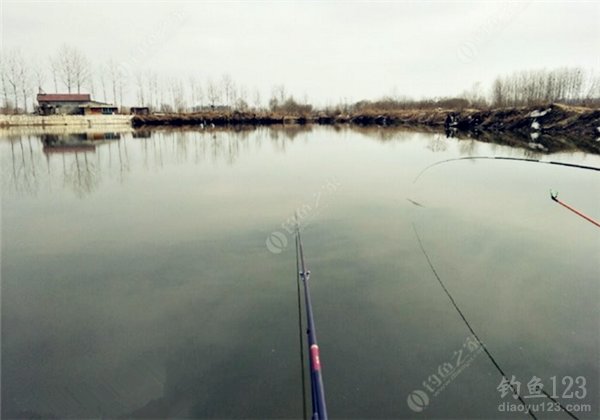
Fall is my absolute favorite time to fish—here’s why. Early fall (think September to mid-October) is like a buffet for fish. The water’s still warm enough that they’re active, but the cooling temps make them hungry (they’re stocking up for winter, duh). And here’s the kicker: they’re in shallow water. I’m talking 2-5 feet deep, max. I’ve caught more bass and bluegill in early fall by wading into a shallow cove than I have in an entire summer. Just set up your rod, cast near lily pads or fallen trees, and wait—you’ll be reeling in fish before you know it.
But wait—late fall (late October to November) is a different beast. The water cools way down, so fish move to deeper water (10+ feet) where it’s warmer. If you’re still fishing shallow in late fall, you’re wasting your time. I learned this the hard way last year: I spent 3 hours in a shallow spot and caught nothing, then moved to a deep hole 20 yards away and caught 4 carp in 45 minutes. Lesson learned: follow the fish, not your old habits.
Forget Store-Bought Lures—These Natural Baits Work Better (Trust Me)
Let’s talk about bait. I used to swear by those fancy store-bought lures with neon colors and wiggly tails—until I realized they’re basically useless for big fish like carp or catfish. Here’s the tea: big fish eat natural food, not plastic. So put down the $10 lure and grab something from your kitchen.
The Ultimate Natural Baits for Big Fish
- Corn: This is my go-to for carp. Just hook a few kernels (make sure the hook is exposed—fish don’t care about a little metal!) and cast it near a shallow bank. I’ve caught 20+ pound carp with this—no joke.
- Sweet Potatoes (Yams): Cut ’em into small chunks, boil ’em for 5 minutes (so they’re firm), and hook ’em. This works wonders for bass and catfish—they go crazy for the sweet smell.
- Wheat: Soak wheat in water overnight, then hook a handful. It’s perfect for trout and smallmouth bass, especially in fast-moving rivers.
Pro tip: Don’t overcomplicate it. I once spent $20 on a “carp-specific” lure and caught nothing. The next day, I used corn and caught 3 carp in an hour. Save your money—natural baits are cheaper and more effective.
Find the “Sweet Spot”—Your Spot Choices Make or Break Your Catch
Here’s a secret most new anglers miss: fish don’t just hang out anywhere. They have favorite spots—places where food, oxygen, and warmth come together. If you’re not fishing these spots, you’re missing out on 90% of the action. Let’s break down the top 5 spots I always hit:
1. Gentle Slopes (Not Steep Drops)
Fish love gentle slopes because they can move up and down easily—shallow for warmth, deep for safety. I once fished a steep drop and caught nothing, then moved to a gentle slope 10 yards away and caught 6 bass in 2 hours. Steep drops = no fish (usually), gentle slopes = fish galore.
2. Bank Protrusions (The “Point” of a Cove)
Any spot where the bank sticks out into the water is a goldmine. Fish use these points to ambush prey—they wait in the deep water next to the point, then dart out to catch small fish or bugs. I’ve caught my biggest bass (22 pounds!) at a bank protrusion in a local lake. Trust me—this spot is non-negotiable.
3. “Humps” or “Rocks” Underwater
Fish love hiding in underwater rocks or humps—they’re perfect for shelter and attract small fish (which attract big fish). I use a fish finder to locate these spots, but even if you don’t, you can guess: if the water suddenly gets deeper or shallower, there’s probably a hump or rock there. Cast your bait near it, and wait—you won’t be disappointed.
4. Inlets/Outlets (Where Water Flows In or Out)
Water flowing in or out brings oxygen and food—two things fish can’t live without. I once fished an inlet to a lake and caught 10 catfish in 3 hours. The key? Cast your bait just downstream of the inlet—fish wait there to catch food as it flows by.
5. Underwater Vegetation (Lily Pads, Weeds)
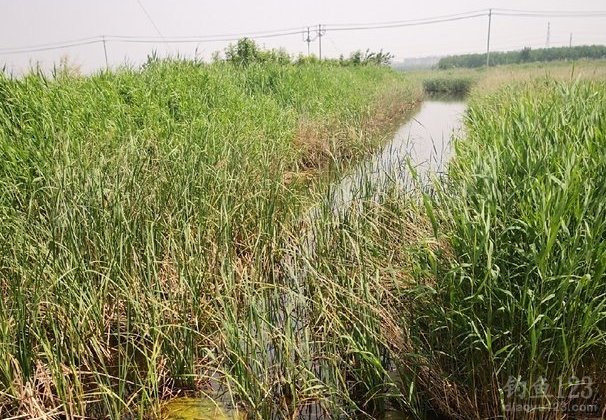
Weeds = food (bugs, small fish) = big fish. But be careful—if you cast into thick weeds, you’ll get snagged. Aim for the edges of the weeds, not the middle. I’ve caught more bass in lily pad edges than anywhere else—they hide under the pads and wait for prey to swim by.
When the Fish “Fights Dirty”—How to Beat the “Stuck” Fish
Let’s talk about the worst feeling in the world: you hook a big fish, it swims to the bottom, and stops. It’s called “stuck” or “bottom feeding,” and it’s a nightmare—you either break your line or lose the fish. But I’ve got a trick that works every time.
The “Vibration Trick” to Unstick a Fish
Here’s what to do:
- Keep your rod tight—don’t let the line go slack (that’s how you lose the fish).
- Take your free hand and tap the rod repeatedly (like you’re knocking on a door).
- Or, pluck the line like a guitar string—this sends vibrations through the line to the fish’s mouth.
Fish hate this— the vibrations make their mouths hurt, so they’ll move. I used this trick last month when I hooked a 25-pound catfish that got stuck in a rock pile. I tapped the rod 10 times, and it swam away—then I reeled it in 5 minutes later. Game-changer.
Don’t Be a “Worm Chaser”—Know When to Switch Spots
Here’s another mistake new anglers make: they stay in one spot all day, even if they’re not catching anything. But here’s the truth: fish move. If you’re not catching anything in 30-45 minutes, it’s time to move. But wait—don’t move too often. I once moved every 10 minutes and caught nothing, but when I stayed in a spot for 45 minutes then moved, I caught 3 fish in the new spot.
How to Tell When It’s Time to Switch
- No bites in 30-45 minutes.
- You catch one fish, then nothing for 20 minutes.
- The water temperature changes (use a thermometer—fish move when temps drop/rise).
Pro tip: Mark your spots with a GPS or a rock (if you’re fishing a lake) so you can come back later. I once left a spot because I wasn’t catching anything, then came back 2 hours later and caught 5 fish—turns out, the fish moved in after the sun went down.
Alright, that’s all my secrets. I’ve spent years figuring these out, and they’ve turned me from a “zero-catch” angler to someone who comes home with a cooler full of fish every time. But hey—fishing is supposed to be fun, right? Don’t get so caught up in the tips that you forget to enjoy the day. And if you have any of your own hacks, drop ’em in the comments below—I’m always looking for new tricks. Now go grab your rod, and let’s catch some fish!