Why Mindset Is the Unsung Hero of Beginner Lure Fishing
Let’s be real—when you’re a total newbie to lure fishing (lure fishing 101, anyone?), you probably start by obsessing over gear: “What rod should I buy? Which reel is best for beginners? Is this line strong enough?” And don’t get me wrong, gear matters—but there’s a secret second tip that no one talks about enough: your mindset. I’m not here to spout motivational jargon; I’m here to share the messy, real-life stuff I went through (and still see new anglers struggle with) that proves mindset makes or breaks your early lure fishing days.
First Shock: The “I Want to Quit” Tangles (aka Bird’s Nests)
You’ve saved up for that shiny new setup, scoped out a nearby spot (shoutout to the first tip—having accessible fishing spots is non-negotiable!), and binged 10+ YouTube tutorials on “how to cast a lure rod for beginners.” You march to the river, confidence through the roof… and then it happens: your first bird’s nest. That tangled mess of line that looks like a bird built a nest in your reel? Yeah, that. And if you’re extra unlucky (like me on my third cast), it’s not just a small tangle—it’s a “I could spend an hour picking this apart and still end up cutting half the line” disaster.
Anglers love joking about the beginner lure fishing cycle: cast → bird’s nest → cut line → go home. I laughed at that joke until it happened to me. I stood there by the river, sweat dripping down my neck, muttering “why did I spend $200 on this?” while yanking at the tangled line. But here’s the thing: every pro was once a beginner who wanted to throw their reel into the water over a bird’s nest. The difference? They didn’t quit—they stayed patient.
Why do bird’s nests happen, anyway? From what I’ve learned (and messed up):
- Your gear isn’t matched: A heavy rod with a light line, or a reel with the wrong line tension, is a recipe for tangles.
- Your casting technique is off: If you’re flicking the rod too hard or not releasing the line at the right moment, the line will spiral into a mess.
- Wind is your enemy: Even a light breeze can push your line mid-cast, turning a perfect throw into a tangled nightmare.
The fix? Practice. Practice in your backyard (no water needed!) until casting feels like second nature. Think of it like learning to ride a bike—you’ll fall a few times, but once you get the hang of it, you’ll wonder why you stressed so much.
Second Gut Punch: The “Ten Casts, Nine Empties” Slump (aka Skunked Days)
Okay, so you’ve mastered casting (no more bird’s nests—yay!). Now you’re ready to catch your first fish. You head to the river, cast again and again… and nothing. Nada. Zilch. You start to doubt everything: “Is my lure wrong? Did I pick the wrong spot? Am I just bad at this?”
Here’s the brutal truth about lure fishing: the phrase “ten casts, nine empties” isn’t an exaggeration. I’ve spent entire afternoons standing in the same spot, casting until my arm ached, and gone home with zero fish. It’s called being “skunked,” and it’s enough to make even the most enthusiastic beginner throw in the towel.
But here’s the mindset shift you need: skunked days are part of the process. Fish aren’t just waiting around to bite your lure—you have to find them, and that takes time. I started keeping a little notebook (yes, dorky, but effective) to track when I went fishing, what the weather was like, and if I saw any fish activity (like splashing or jumping). Over time, I noticed a pattern: early mornings (right at sunrise) and late evenings (before sunset) are “window periods” when fish are most active. That’s when you’ll see them “blasting the surface” (chasing baitfish), which means they’re hungry and more likely to strike.
Another tip? Show up consistently. The more you fish, the more you’ll learn about your local spots—where the fish hide, what lures they like, and when they’re feeding. I used to go once a week, but when I started going 2-3 times a week, I started catching fish way more often. It’s simple math: more time on the water = more chances to get lucky (and learn).
My First Big Win: The Thrill of Catching a Big Mouth Bass
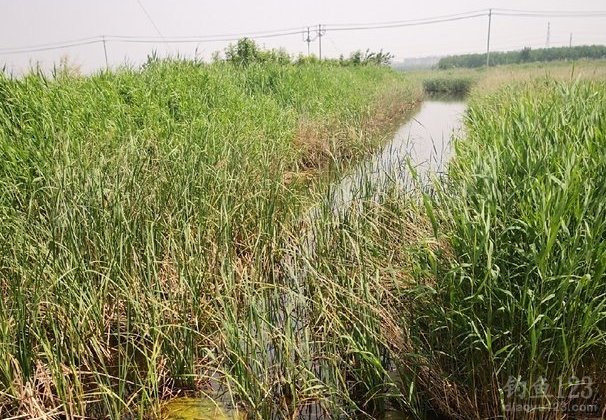
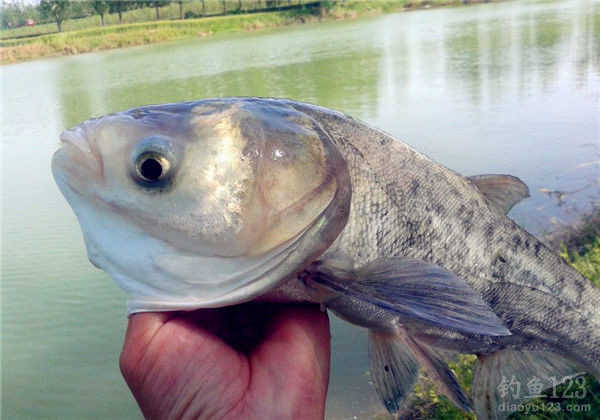
After weeks of skunked days and tangled lines, I finally had my breakthrough. It was a early morning—6 a.m., the river was calm, and I could see fish splashing near the reeds. I cast my lure (a silver spoon, if you’re curious) and let it sink for a few seconds. Then I reeled it in slowly… and suddenly, there was a tug. A big tug. I almost dropped my rod! I fought that fish for what felt like forever (okay, maybe 2 minutes), and when I pulled it out of the water? A beautiful big mouth bass, with its mouth wide open like it was mad I’d stolen its snack. The rush was insane—all the frustration, all the early mornings, all the tangled lines? Worth it.
That fish was my fourth catch ever, and it’s still one of my favorite memories. It taught me that patience pays off—literally. If I’d quit after my first skunked day, I never would’ve felt that thrill.
Why Catch and Release Matters (And It’s Not Just a “Hippie Thing”)
Let’s talk about something that’s close to my heart: catch and release. I know, I know—some anglers love keeping their catch for dinner, and that’s totally fine. But hear me out: catch and release isn’t just about being “nice to fish”—it’s about making sure we have fish to catch tomorrow (and for our kids, and their kids).
Big mouth bass are predators—they eat smaller fish, which helps keep the ecosystem balanced. If we take too many predators out of the water, the smaller fish population explodes. Ever been fishing and had tiny fish nibble at your bait nonstop? That’s what happens when there aren’t enough predators to keep them in check. It’s a domino effect.
My rule? If the fish is small (under a certain size—check your local rules!), I let it go. If it’s a big one, I might take a photo (for the Instagram flex) and then release it. It’s a small choice, but it adds up. Plus, there’s something cool about knowing that the fish I release today might be the one I catch again next month—bigger and stronger.
Final Thoughts (From a Former Frustrated Beginner)
Lure fishing isn’t easy—especially when you’re just starting out.
So if you’re a beginner reading this: don’t quit. The bird’s nests will get less frequent. The skunked days will turn into days with catches. And when you finally reel in that first big fish? You’ll forget all the frustration. Just remember: mindset is everything. Stay patient, keep practicing, and enjoy the ride (even the messy parts).