5 Essential Methods for Summer Surface Fishing for Bighead and Silver Carp
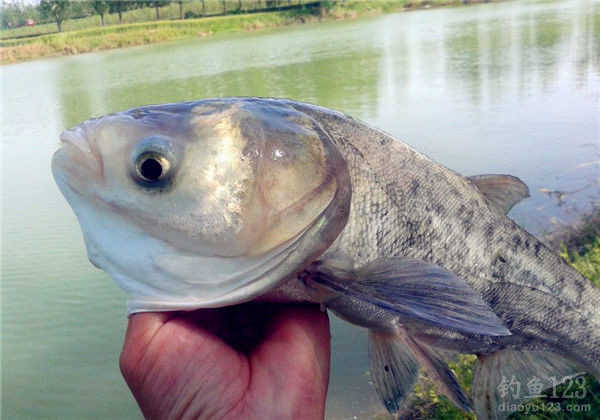
Alright, fellow anglers, let’s talk about one of the most exciting summer challenges: surface fishing for Bighead and Silver Carp, or as many call them, the “filter-feeding giants.” If you’ve ever felt that powerful, head-shaking pull from a big carp in the warm months, you know the thrill. But let’s be real—it can also be incredibly frustrating. You see them swirling, you know they’re there, but getting them to commit? That’s a whole different story. These fish love the heat, becoming more active and feeding more aggressively when the temperature climbs. This is a huge advantage for us! Fishing in reservoirs during summer? Your chances of hooking into a big one are high. But here’s the catch (pun intended): by summer, these fish have packed on the pounds, making the fight a serious test of skill and gear. After countless hours on the water—some triumphant, some humbling—I’ve narrowed down the key strategies that actually work. So, grab your favorite drink, and let’s dive into these 5 essential methods to make your next summer carp trip a success.

1. Timing is Everything: When to Target Summer Carp
You can have the best gear and bait in the world, but if you’re out there at the wrong time, you’re just practicing your casting. Summer carp fishing is all about syncing with their metabolism and the weather.
Reading the Weather and Water
First rule: avoid the rainy and muggy, suffocatingly humid days. I know, I know, sometimes that’s the only time you have off. But trust me on this one. Not only is there a potential safety risk with summer storms, but the fishing is often terrible. The low barometric pressure seems to put these fish in a funk. They might be up there, but they’re not eating. Save yourself the “skunk” and plan for another day.
What you want are those bright, sunny days. Bighead and Silver Carp are solar-powered gluttons. They thrive in the heat. If you can pair that sunshine with a gentle breeze of under 10 mph (that’s about a 3 on the Beaufort scale), you’ve hit the jackpot conditions. This slight wind oxygenates the surface water and pushes plankton, their primary food source, into concentrated areas. This is when you can truly “load the boat,” as they say.
The Prime Time Windows
Water temperature is your best friend here. The sweet spot is between 77°F and 86°F (25°C to 30°C). When the water hits this range, expect frequent activity.
- The Day Shift (1 PM – 4 PM): This is often the golden window. The sun has fully warmed the upper water layers, and the carp are actively cruising and filter-feeding near the surface. Don’t be afraid of the midday heat; that’s when they’re most likely to be looking up!
- The Night Shift (Late Evening & Pre-Dawn): Night fishing is a classic summer move. The water cools slightly, and big fish often feel more secure moving into shallower areas. The most productive period at night is usually in the very early morning hours, just before sunrise. If you’re venturing out after dark, I can’t stress this enough: fish a familiar spot. Fighting a 15-pound fish on light line in the pitch black is an adventure you only want to have where you know every snag and drop-off.
2. Location Scouting: Finding the Fish Highway
Carp, especially these filter feeders, aren’t randomly scattered. They follow the food. Your job is to find the buffet line. And oh yeah, they have superhero hearing.
Stealth is Non-Negotiable
Let’s get this out of the way: Bighead and Silver Carp are spooky. They can detect minor vibrations and sounds from the bank. Slam your car door, drop a tackle box, or wade in noisily, and you might as well wave goodbye to the fish in that area. When approaching your spot and setting up, move slowly and deliberately. Talk in hushed tones. It feels silly until you realize it’s the difference between a good day and a blank one.
High-Probability Structures
Look for areas where natural currents congregate food:
- Points and Peninsulas: These are natural highways that funnel fish. Wind and current sweep plankton along these structures, creating a feeding lane.
- Inflows and Stream Mouths: An absolute magnet. Freshwater inflow brings oxygen, cooler water (sometimes), and a constant supply of nutrients and plankton. It’s a cafeteria with an “Open” sign flashing.
- Wind-Blown Banks & Surface Froth Lines: When the wind is consistently blowing from one direction for a few hours, get to the downwind bank. The wind piles up surface scum and all the microscopic goodies carp love. Look for that line of foam or debris—fish right along it.
- The Bubble Giveaway: This is the easiest sign of all. If you see clusters of small, fine bubbles rising to the surface (not the big ones from decomposing bottom muck), that’s often carp feeding just below. Don’t overthink it—drop your rig right in that bubble trail!
3. The Bait Game: Mixing the Perfect Slurry
This is where art meets science. Your bait isn’t just “food”; it’s a scent cloud, a visual attractant, and a holding mechanism. Get it wrong, and you’re just feeding fish. Get it right, and you trigger a feeding frenzy.
The Mixing Ritual (No Shortcuts!)
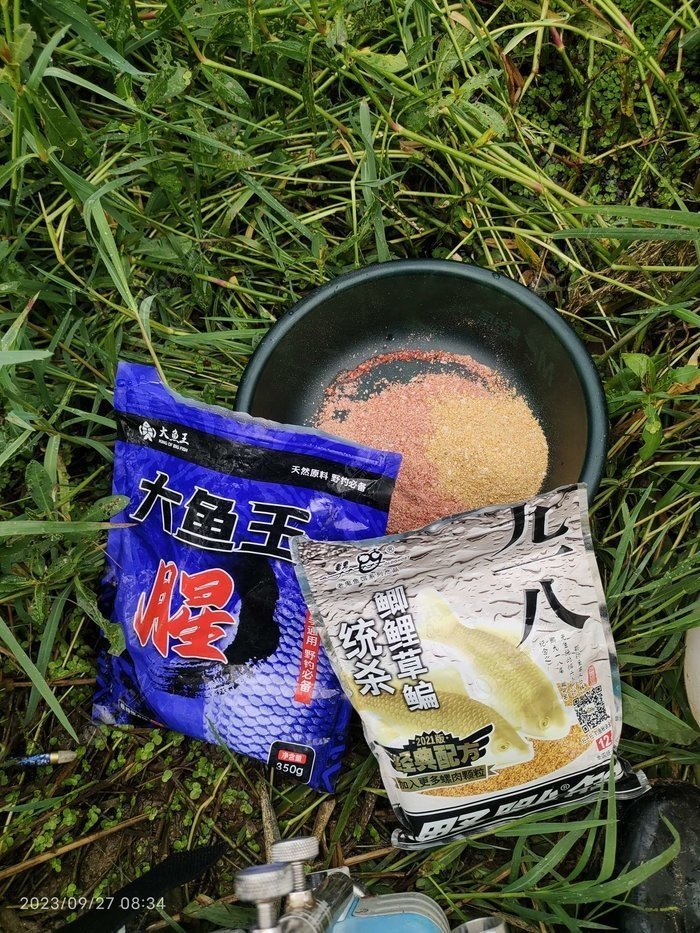
I’ve seen too many people ruin a batch of expensive bait by being impatient. Here’s the cardinal rule: measure your water and your bait mix FIRST. Have both ready. Don’t just pour water into the bag or mix bit by bit. Dump your dry mix into a large bucket, add the precise amount of water, and mix it all at once. Why? Commercial carp baits are designed to hydrate quickly and consistently. Adding water gradually creates a lumpy, inconsistent mess with dry pockets that won’t hold on the hook.
Once mixed, let it soak (or “rest”) for a good 5-10 minutes. This is longer than you’d wait for a typical bass bait. The particles need to fully swell and bind. After resting, fluff it up with your fingers—don’t over-knead it into a dense doughball.
Flavor Profiles for the Heat
In summer, their preferences seem to sharpen:
- Silver Carp (Hypophthalmichthys molitrix): They have a notorious sweet tooth for fermented, sour, and fruity aromas. Think strawberry, pineapple, mulberry.
- Bighead Carp (Hypophthalmichthys nobilis): They tend to go for the stronger, pungent, and sometimes “baitish” smells—things like garlic, anchovy, or even cheese-based scents.
A fantastic summer trick is to use a sweet, fruity base mix and add a small amount of a stronger attractant like liquid liver or fish oil. This creates a complex scent trail that pulls them in from a distance. And a pro-tip: in high heat, mix smaller batches. A big bucket of bait can sour, ferment too much, or just become a sticky, unusable mess by afternoon. Mix what you need for a few hours, then mix fresh.
4. Gear Talk: Matching Your Rig to the Battle
You’re not going to land a freight train with a trout rod. Gear selection for summer carp is about balance: power to stop them, finesse to present the bait, and endurance for you.
Bank Fishing Setup
If you’re fishing from shore, you’ll be casting… a lot. High-frequency casting and baiting is key to building that scent cloud and attracting fish.
- The Rod: A long rod is your friend for longer casts and better line control during the fight. A 6.3-meter (roughly 20-21 foot) long, lightweight rod is the sweet spot. It needs to have a soft, parabolic action—not too stiff, not too soft. Too stiff, and you’ll snap the line on the hookset or during a powerful run. Too soft, and you’ll never turn the fish’s head away from snags. The “lightweight” part is for your arms. You’ll thank me after 50 casts.
- The Reel: A smooth, reliable spinning reel sized for 300-400 yards of 10-15 lb line. A good drag is non-negotiable.
Boat Fishing Setup
From a boat, you can get right on top of them, so casting distance is less critical.
- The Rod: Shorter is better for maneuverability. A 3.6 to 4.5-meter (12-15 foot) rod with a strong backbone is perfect.
- The Line: Go heavier. I recommend a main line of 15-20 lb test (4.0-ish) and a leader/tippet of 10-12 lb (3.0-ish). Fluorocarbon leader is great for its low visibility.
- The Hook: Don’t skimp. A strong, sharp size 6 to 2 hook, depending on bait size. Use a hair rig or a similar presentation where the bait sits just off the hook. Space your hooks about 3-4 inches apart if using a two-hook setup.
- THE NON-NEGOTIABLE: A breakaway lead or a safety clip so the fish can run without feeling the full weight, and for heaven’s sake, use a rod leash or a long, reliable drop-back line! That surface bite can be so aggressive it can yank your whole setup overboard before you can blink.
5. Presentation & Hookset: The Final Act
You’ve found them, you’ve baited them, now it’s time to close the deal. Surface fishing for carp is an active, visual game.
Finding the Right Depth
They won’t always be right at the surface. Start by fishing at about one-third of the water’s depth. For example, in 12 feet of water, set your float to fish at 4 feet down. If you’re marking fish on a fish finder or seeing swirls but no bites, don’t be stubborn. Adjust.
- Morning: Start at 1/3 depth.
- Afternoon (Prime Time): Try the mid-depth (1/2 the water column). The warmest, most plankton-rich water is often here.
- If you get taps, nibbles, or the float dances but you’re not connecting: They’re likely just bumping the bait or line. Deeper your rig by 1-2 feet at a time until you find the “bite zone.”
The Baiting & Striking Technique
When starting at a new spot, don’t just cast your hook bait. Create a zone. Take handfuls of your loose bait and form loose, softball-sized balls. Don’t compact them into rocks! You want them to break apart as they sink, creating a vertical column of particles. Toss 4-5 of these in your target area to start.
Now, watch that float like a hawk. The bite is rarely a slow sink. It’s often:
- A sharp, decisive dunk under.
- The float zooming sideways across the surface.
- Sometimes, a less common but exciting “lift bite” where the float rises up and lays flat as the fish takes the bait and rises.
When you see it, don’t immediately yank! Give a one-second count (“One Mississippi”) to let the fish fully get the bait and the hook into its mouth, then set the hook with a firm, sweeping motion sideways, not straight up. The fight is on!
And remember, re-bait regularly. Keep tossing those loose balls every 20-30 minutes to keep the fish in your area. It’s a game of patience and constant, gentle attraction.
So there you have it. These aren’t just theories; they’re methods forged on hot, sweaty days and quiet, starlit nights by the water. The next time you head out for summer carp, think about timing, move like a ninja, mix your bait with care, respect the gear needed, and stay active in your presentation. It’s a lot, but when that float screams under and your rod bends double, every bit of preparation is worth it. Tight lines out there, and I hope your next trip is the one you tell stories about for years!