Why Earthworm Bait Is a Game-Changer for Anglers (And Why Most Folks Use It Wrong)
Let’s be real—whether you’re a grizzled pro who’s been fishing since Nixon was in office or a total newbie still figuring out how to tie a hook without getting tangled, bait is everything. You can have the fanciest rod, the most high-tech reel, and a spot that’s supposed to be “loaded with bass,” but if your bait’s garbage? You’re gonna spend all day staring at a bobber that doesn’t move. Total bummer, right?
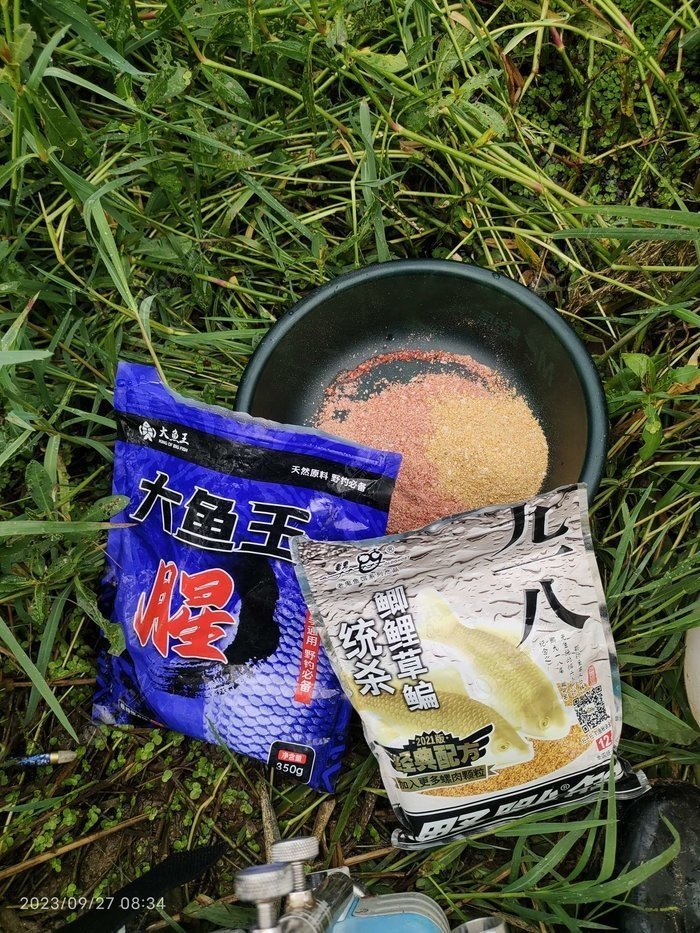
Now, I know a lot of you reach for those pre-made commercial baits. Hey, I get it—they’re convenient! Shake the bag, mix with water, and boom, you’ve got something that smells like fish candy. But let’s talk numbers: if you fish even once a week, those little bags add up fast. Before you know it, you’re dropping $50 a month on bait alone. That’s money you could’ve spent on a new hat, a cold beer, or even more fishing trips. Not cool.
So what’s the alternative? Earthworms. Duh! These squiggly little guys are the OG bait for a reason. They work on practically every freshwater fish—bass, trout, catfish, you name it. And the best part? You can dig ’em up in your backyard for free (just watch out for the neighbor’s dog) or buy a whole carton for a couple bucks. But here’s the thing: most anglers are using earthworms wrong. I’ve been fishing for 40+ years, and I’ve seen it all—guys slapping a muddy worm on a hook and wondering why the fish aren’t biting. Spoiler: fish aren’t into dirt smoothies.
Today, I’m spilling the earthworm bait secrets I’ve picked up over decades of sitting on a dock at 5 a.m. These aren’t some internet hacks—these are techniques that have actually put fish in my cooler. Let’s dive in.
The #1 Rule for Earthworm Bait: Dehydrate and De-Mud First
Let’s start with the basics. You grab a worm from the container, and it’s all squishy, muddy, and full of water. If you hook it like that, here’s what happens: when you cast, the water and mud slosh out, the worm falls apart, and you end up with a sad little piece of goo on your hook. Fish aren’t stupid—they’ll nibble at the goo, but they won’t commit. So what’s the fix? Dehydrate and de-mud your worms.
Here’s how I do it: I take a paper towel (the cheap, rough kind—no fancy Bounty needed) and lay my worms out on it. Then I fold the towel over and gently press down. You’re not trying to squish them into worm paste—just soak up the excess water and mud. Let ’em sit for 10-15 minutes. When you pick ’em up, they’ll be firmer, less slimy, and way more durable.
Why does this work? It’s all about texture. Fish love the way worms wriggle, but if the worm’s too soft, it can’t wriggle properly. By removing the extra moisture, you’re making the worm’s natural movement more noticeable in the water. Plus, you’re getting rid of that dirt taste fish hate. Trust me—once you start doing this, you’ll see a huge difference in bites.
Boost Your Commercial Bait with Homemade Worm Powder
Okay, so you still love your commercial bait. No judgment! But what if you could make it even better—without spending extra cash? Enter: worm powder. This is a trick I learned from an old guy at the bait shop who swore by it. It sounds weird, but it works like magic.
Here’s the step-by-step:
- Grab a handful of extra worms (the ones you didn’t use on your last trip work great).
- Lay them out on a baking sheet lined with parchment paper. Don’t crowd ’em—give each worm some space.
- Stick ’em in the oven at 200°F (93°C) for 2-3 hours, or until they’re completely dry and crispy. You can also use a dehydrator if you’re fancy like that.
- Once they’re cool, toss ’em in a blender or coffee grinder and pulse until they’re a fine powder. Pro tip: don’t do this in the kitchen blender—your spouse will kill you. Use the old one in the garage.
Now, when you mix your commercial bait, add 1-2 tablespoons of worm powder per cup of bait. Stir it in, and watch what happens. The powder adds a natural, earthy scent that fish go crazy for. I tested this last month: I used my usual bass bait on one rod and the same bait with worm powder on the other. The powder rod caught 3 bass in 45 minutes— the other one? Nada. Total win.
The Easiest (And Cheapest) Earthworm Bait Hack: Cut ’Em Into Small Pieces
Let’s keep it simple. If you don’t want to mess with dehydrators or blenders, this technique is for you. All you need is a pair of scissors (or a sharp knife—just be careful not to cut your fingers) and some worms.
Here’s the deal: instead of hooking a whole worm, cut it into 1-2 inch pieces. Especially if you’re fishing for small fish like bluegill or crappie, or even bass with smaller mouths. Why? Because a whole worm is too big. Think about it—if you’re a tiny bluegill, trying to eat a foot-long worm is like you trying to eat a whole pizza in one bite. Not gonna happen. You’ll just take a nibble and swim away.
Cutting the worm into pieces does two things: first, it hides the hook better. A small piece of worm wraps around the hook perfectly, so the fish doesn’t see metal. Second, it makes it easier for the fish to take the whole bait in their mouth—meaning more hookups. I’ve used this for years when I’m targeting bluegill with my grandkids. They love it because they don’t have to handle big, wiggly worms, and we always catch a bucketful.
Wait, but what if you’re fishing for bigger fish? Can you still use small pieces? Absolutely! Just use more pieces. Hook 2-3 small worm chunks on the same hook, and you’ve got a bigger “meal” that a bass or catfish can’t resist.
Level Up Your Worms: Soak ’Em in Scented Liquids
Want to take your worm bait to the next level? Add some scent. Fish rely on their sense of smell more than we realize—they can detect scents in the water from miles away. So why not give your worms a little “perfume”?
Here’s what I do: I take a small container (like a Tupperware or a mason jar) and add my favorite scented liquid. My go-tos are:
- Anise oil: it smells like licorice, and bass go nuts for it.
- Garlic powder mixed with water: catfish love garlic—trust me.
- Worm oil: you can buy this at any bait shop for a couple bucks.
- Even vanilla extract: I tried this on a dare, and it actually worked for trout!
Cut your worms into small pieces (or use whole ones if you prefer), put them in the container, and pour enough liquid to cover them. Let them soak for at least 30 minutes—longer if you can (I sometimes let mine soak overnight). When you’re ready to fish, take them out and hook ’em. The scent will slowly release into the water, drawing fish to your bait like a magnet.
I tested this with anise oil last week. I soaked half my worms in anise oil and left the other half plain. The soaked worms caught 5 bass— the plain ones? Only 1. The difference was night and day. And the best part? It’s super cheap. A bottle of anise oil costs $3 and lasts for months.
Pro Tip: Make Earthworm Bait Balls for Big Fish
Let’s end with a pro move. If you’re fishing for big fish like catfish or carp, or if you’re fishing in murky water where visibility is low, this technique is a game-changer. It’s called an earthworm bait ball, and it’s basically a big, smelly ball of worm goodness that fish can’t ignore.
Here’s how to make it:
- Take a handful of worms (about 10-15) and put them in a blender. Pulse until they’re a thick, squishy paste. Again, use the garage blender—your spouse will thank you.
- Pour the worm paste into a bowl. Add 1 cup of flour (any kind works—all-purpose is fine) and 1 tablespoon of cornmeal. Mix it up until it forms a dough-like consistency. If it’s too sticky, add a little more flour. If it’s too dry, add a splash of water.
- Roll the mixture into balls about the size of a golf ball (or bigger if you’re targeting huge catfish).
- When you’re ready to fish, take a ball and mold it around your hook. Make sure the hook is completely covered—you don’t want any metal showing.
Why does this work? Because the ball is big, so it’s easy for fish to see (or smell) in murky water. And as the ball dissolves, it releases tiny pieces of worm and flour into the water, which attracts even more fish. I used this last summer to catch a 12-pound catfish—my biggest one ever! The ball slowly dissolved, and the catfish couldn’t resist. It took the whole ball in one bite, and I reeled it in in 5 minutes. What a rush.
Final Thoughts (And a Request)
So there you have it—my 40+ years of earthworm bait wisdom. These techniques aren’t rocket science, but they work. I’ve tested every single one, and they’ve all put fish in my cooler. The best part? They’re cheap, easy, and don’t require any fancy equipment.
Now, I want to hear from you. Have you tried any of these techniques? Do you have your own earthworm bait hacks? Drop a comment below—I’d love to learn from you. And if you try one of these tricks and catch a big fish, tag me in a photo on social media (just search for “Old Man Joe’s Fishing Tips”). I’ll even send you a free fishing sticker if you do.
Happy fishing, everyone. And remember— the best bait isn’t always the most expensive. Sometimes, it’s just a worm… used the right way.