Winter Fishing Tips: 4 Essential Rules to Never Go Home Empty-Handed
Alright, fellow anglers, let’s talk about the real challenge: winter fishing. We’ve officially entered the deep freeze. The air is biting, the water temperature has plummeted, and let’s be honest, most sensible people have their rods stored away, dreaming of spring. If you’re up north and get a snowfall? Forget about it. Lakes and rivers are icing over, and your usual honey holes are looking pretty… solid. I get it. A huge number of anglers just call it quits and “fumigate” their gear until the thaw.
But not us. Not the hardcore few. If you’re like me, the itch doesn’t care about the thermometer. That craving to feel a tug on the line is a year-round condition! So, for the brave souls still hitting the banks (or the ice edges), I’m here to share the hard-earned, nitty-gritty details of winter fishing for species like crappie and perch. Consider this your survival guide for cold-water angling. Stick to these four points, and I promise, you won’t be heading home with just a story about how cold it was.

1. Timing is Everything: Chase the Warmest Part of the Day
This isn’t summer where you can roll out of bed at dawn for the best bite. In winter, you’re basically a solar-powered fisherman. Your entire schedule revolves around the sun’s pathetic attempt to warm the planet.
The golden rule for winter fishing trips in northern climates is simple: fish the warmest window. For many regions, that’s smack dab in the middle of the day, roughly from 10:00 AM to 3:00 PM. This is when water temperatures might creep up a precious degree or two, and fish get just active enough to think about eating.
But here’s the crucial part—this is not absolute. Don’t just blindly follow a clock. “The North” is massive! The difference between fishing in Pennsylvania in December and Minnesota in January is like the difference between a fridge and a freezer. In more temperate areas, that midday window is perfect. But head way up north? That “warmest part of the day” might still have you chipping ice out of your guides.
The real pro tip? Watch the weather trends. The best days are after a stretch of stable, consistent temperatures. If it’s been brutally cold for a week, even a “warm” midday won’t do much. But if you have a few days of steady, albeit cold, weather, that midday sun can work magic. So, check your local forecast, and plan your assault for that peak solar heating period. Your target is the period of minimal temperature fluctuation.
2. The Art of Winter Bait Preparation: Fight the Cold
If you think your fingers are cold, try being your bait. Winter does weird things to our gear, especially our bait and soft plastics. One of the most common frustrations? Getting your bait or lure to perform correctly in freezing temps.
For Live Bait & Artificials:
This is the classic move, and for good reason. Minnows, wax worms, spikes—they provide that irresistible, natural movement that lethargic winter fish find hard to pass up. The key is keeping them alive and lively. A good insulated bait bucket is worth its weight in gold. Don’t let them freeze solid on the way to the spot!
The Secret Sauce: Warm Water is Your Friend
Here’s a game-changer a lot of weekend anglers overlook. When you’re mixing up dough baits, or even prepping your favorite liquid attractants, use lukewarm water. I’m not talking hot, just comfortably warm from the tap.
Why? Cold water drastically slows down the chemical process of bait blending. It makes baits stiff, unpliable, and they just don’t disperse scent as effectively. Warm water helps maintain a better consistency and gets those scents working faster in the cold water. It’s a small thing, but it makes a massive difference in bait performance.
Once your bait is mixed, treat it like a baby. Keep it in an insulated container or tucked inside your jacket between uses. Exposing it to the cold air will turn it into a useless brick faster than you can say “frozen solid.”
3. Location, Location, Location: Finding the Fish Hideout
Summer fish are roamers. Winter fish are… well, they’re couch potatoes. They find the most energy-efficient spot and park it. Your job is to find that spot. This is where 90% of the battle is won or lost.
Forget covering water. The “run and gun” approach of summer is a surefire way to freeze and catch nothing. Winter fishing is about precision and patience.
Key Winter Fishing Spots to Target:
- Deep Water Havens: This is the number one rule. Fish follow the stable temperatures, and that’s almost always in deeper water. Use a fish finder if you have one, or look for areas where the shoreline drops off sharply into a channel or old riverbed.
- Sun-Facing Banks (North Hemisphere): In the northern hemisphere, the north and west banks typically get the most afternoon sun. This slight warming can be enough to attract baitfish and, in turn, predators. It’s not a massive temperature swing, but in winter, every little bit helps.
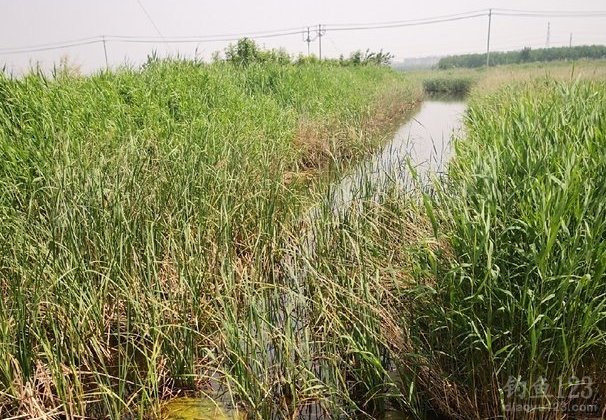
- Structure is King: Submerged brush piles, fallen trees, weed beds that are still green, rock piles, and dock pilings. These are fish condos. They provide cover from currents and predators, and often hold a slightly warmer microclimate. If you find deep water WITH good structure, you’ve hit the jackpot.
- The Pre-Fishing Scan: This is non-negotiable. Before you even unpack your rod, spend 10-15 minutes scouting. Are there any bubbles (fish “fizz”) rising in a particular area? Any slight movement or shadow under the ice or in clear water? Look for any sign of life. Fish where the fish are, not where you wish they were.
4. The Winter Mindset: Small, Slow, and Steady
Winter fishing requires a complete shift in technique. Everything gets downsized and slowed down. Imagine the fish are moving in slow motion, and you need to match their pace.
Gear Down for Success:
- Line & Leader: Go as light as you can get away with. 4-6 lb test fluorocarbon is a great winter choice. It’s nearly invisible and has low stretch for better sensitivity.
- Hooks: Small, sharp, and light-wire hooks are essential. Think size 8 to 14. You want the fish to feel almost no resistance when it sucks in your offering.
- Lures & Rigs: Think finesse. Tiny jigs (1/32 to 1/16 oz are winter staples), micro spoons, and small hair jigs. Your presentations should be subtle and natural.
The Critical First Step: Priming the Spot
You found the perfect deep, structured, sunlit spot. Great! Now, you must prime it properly. Winter fish have tiny appetites and won’t travel far. Throwing a huge bucket of chum into the water is a disaster—it will either overwhelm them or attract every rough fish in the area.
Use a small, targeted bait primer. A handful of maggots, a small cup of finely ground bait particles, or a few drops of a potent liquid attractant in a bait dropper. The goal is to create a small, concentrated scent zone that intrigues nearby fish, not to feed a school for a week. And for heaven’s sake, be gentle! Don’t cannonball your primer into the hole and scare everything away.
Master the Art of the “Twitch”
This is the single most important technique in winter. Cast your bait out, let it settle… and then forget everything you know about “letting it sit.” Dead-sticking has its place, but active “twitching” is king.
After your bait hits bottom, gently raise your rod tip a few inches, then let it fall back. Repeat this slowly, with long pauses in between. This imparts a dying, struggling action that is irresistible to a lethargic fish. The strike will often be on the fall or during the pause, so keep your line tight and feel for the slightest tick or weight difference.
So there you have it. The four pillars of successful winter fishing. It’s not about brute force or endurance; it’s about smarts, patience, and adapting to the rhythm of the frozen world. It’s a different kind of satisfying. When you feel that subtle thump through your light line on a bitter cold day, and you land a beautiful, cold-water crappie… man, that victory tastes sweet. It makes all the layers of clothing, the numb fingers, and the thermos of coffee totally worth it.
I hope this helps you put a few more fish on the bank (or on the ice) this season. Now get out there, dress warm, and show those winter fish who’s boss! Let me know what your best cold-weather catch has been.