Why I Decided to Make My Own Carp Fishing String Hook Set
Let me start by saying-I’m obsessed with carp fishing. There’s nothing like the thrill of feeling that first tug on your line, especially when you’re out in the crisp autumn air. But lately, I’ve been frustrated with the pre-made string hook sets I’ve been buying. They either get tangled too easily, are too long for my short rods, or just don’t hold up as well as I’d like. So, I decided to take matters into my own hands and make a custom set. Spoiler: It turned out better than I expected, and now I’m hooked (pun intended) on DIY fishing gear!
What You’ll Need to Get Started
Before diving in, let’s gather the supplies. You don’t need anything fancy-just a few basic items you might already have in your fishing box. Here’s my list:
- Strong fishing line (I used 8lb monofilament because it’s durable and easy to handle)
- Sharp carp hooks (size 6-8 work well for me)
- Small plastic tubes (to prevent tangling)
- Split rings or swivels (for connecting the set to your main line)
- Scissors or a knife (for cutting line)
- A ruler or measuring tape (to keep things neat)
- Optional: Lead weights (to help the set sink quickly)
Step 1: Cutting the Main Line
First, I cut a length of main line-about 1.5 meters long. This gives me enough room to add the hooks and still have space to attach it to my rod. I like to leave a little extra just in case I make a mistake (which I definitely did a few times!).
Step 2: Adding the First Hook
Next, I tied the first hook to the end of the main line using a simple knot. I’m not a knot expert, but the improved clinch knot works great for this. Just make sure it’s tight-you don’t want a carp to pull free because of a loose knot!

Step 3: Spacing the Hooks
This is where the ruler comes in handy. I measured about 15-20 cm from the first hook and tied the second hook. Then another 15-20 cm for the third hook. Why this spacing? It helps prevent the hooks from tangling when you cast, and it covers more water column, increasing your chances of catching a carp.

Step 4: Adding Plastic Tubes to Prevent Tangling
Ah, the secret weapon! I slid small plastic tubes onto each hook’s line, just above the knot. These tubes act as separators, keeping the lines from wrapping around each other when you cast or retrieve. Trust me-this will save you so much frustration later.

Step 5: Connecting the Set to Your Rod
At the top of the main line, I tied a split ring. This makes it easy to attach the set to my rod’s main line. Split rings are strong and quick to use-no more fumbling with knots when you’re in a hurry to cast!

Step 6: Testing the Set (And Fixing Mistakes)
Once everything was tied, I gave the set a quick test. I held it up and gently shook it-no tangles! Success. But wait-I noticed one of the hooks was a little loose. I re-tied it, making sure it was snug. Always double-check your knots-better safe than sorry.

Using the String Hook Set in the Water
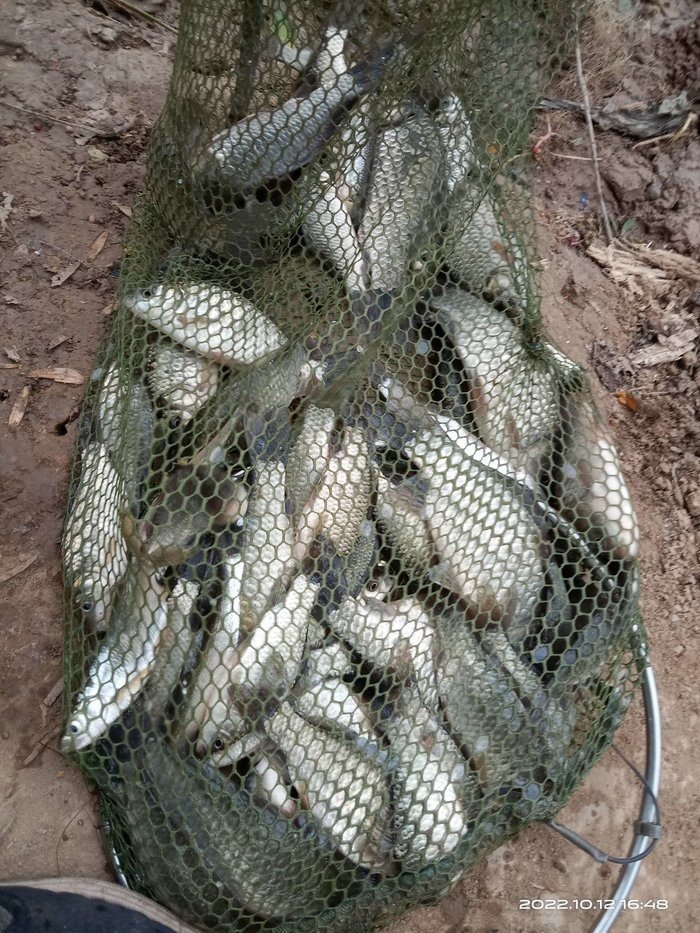
Now for the fun part-taking it out to the lake! I attached the set to my rod, added a small lead weight (about 10-15 grams) to help it sink, and cast it out. Within 10 minutes, I felt a tug. I reeled in, and there it was-a beautiful carp! The set held up perfectly, and the plastic tubes kept everything tangle-free.

Final Thoughts and Tips
Making your own string hook set is easier than you think, and it’s so rewarding. Here are a few extra tips to make your DIY project a success:
- Use strong line-carp are powerful, so don’t skimp on quality.
- Experiment with hook sizes and spacing-what works for me might not work for you.
- Keep your tools organized-nothing slows you down like hunting for scissors or a ruler.
- Have fun! DIY fishing gear is all about trial and error, so don’t get discouraged if it takes a few tries to get it right.
So, what do you think? Will you give this DIY string hook set a try? Let me know in the comments-I’d love to hear about your experiences. And if you have any tips or tricks, share them too! Happy fishing, everyone.