General Principles of Fishing Line Rigging: A Angler’s Guide to Smart Line Pairing
Let’s be real—nothing kills a fishing trip faster than watching a monster bass snap your line like it’s dental floss… or worse, breaking your favorite rod because you skimped on line safety. I’ve been there, and trust me, crying over a shattered rod (and a lost fish) is not how you want to end a weekend. That’s why nailing the basics of line rigging isn’t just “fishing 101”—it’s the difference between going home with a trophy and going home with a broken bank account and a bruised ego. Today, we’re breaking down the general principles of line pairing that every angler (from newbies to weekend warriors) needs to know.
First Rule: Line Must Play Nice With Your Rod (And Your Skill Level)
Here’s the hard truth: Your rod isn’t a superhero. It has a weight limit, and if you pair it with line that’s too heavy? You’re asking for trouble. Imagine trying to yank a 10-pound catfish with a 5-pound test rod—snap goes the rod, and now you’re out both a rod and a fish. Ouch. So the first rule of thumb: main line strength must be less than your rod’s maximum weight rating. Why? Because replacing a $10 spool of line is way cheaper than replacing a $300+ rod. And let’s not forget the float (or “bobber” for you folks who hate fancy terms)—if your main line breaks, that float’s probably gone too, and good floats aren’t cheap either.
Then there’s your skill level. I see new anglers all the time grabbing the thinnest line they can find because they heard “thinner = more bites.” But here’s the catch: if you can’t control a fish with thin line? You’re just gonna watch it swim away. For beginners, safety first = bigger line first. Yeah, you might lose a little sensitivity (more on that later), but you’ll also avoid the heartbreak of watching a big one escape. I started with 2.5lb test when I was 12, and sure, I missed a few small bites—but I landed my first 8-pound bass without breaking a sweat. Worth it.
Pro Tip: Rod Length = Line Type? Wait, No—But It Matters
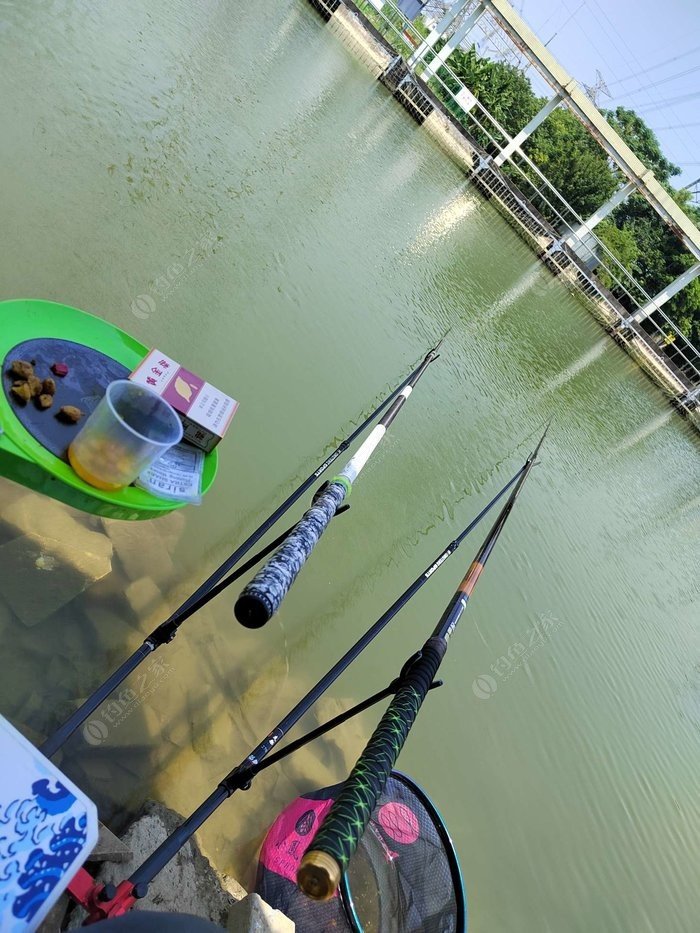
Wait, your rod’s length isn’t just for casting distance—it affects line choice too. Let’s say you’ve got a 3.6m (12ft) rod for close-quarters bass fishing. That thing’s meant for quick, short casts, so you don’t need a super heavy line. But a 4.5m (15ft) rod for lake fishing? You might need a little more heft to handle bigger fish. I’ve got two go-to rods: a 3.6m for my local pond and a 4.5m for weekend lake trips. Here’s how I rig ’em:
- 3.6m rod (ponds, small bass): 1.5lb main line (2 spools), 1.2lb (for tiny panfish), and 2.5lb (just in case a big one slips in)
- 4.5m rod (lakes, big catfish): 2.5lb main line (2 spools), 1.5lb (for medium bass), and 3.0lb (for those monster catfish that like to hide in logs)
See? It’s not one-size-fits-all. Your rod’s job dictates your line’s job.
Main Line: The Backbone of Your Rig (Don’t Skimp Here)
Let’s talk main line—this is the big kahuna, the line that connects your rod to your entire rig. Pick the wrong one, and everything falls apart. For most casual anglers? 1.5lb to 3.5lb test is your sweet spot. That range handles fish from 1lb panfish up to 15lb monsters (if you know what you’re doing). I personally stick to 2.0lb to 2.5lb— it’s versatile enough for 90% of my trips, and I don’t have to swap lines every time I hit a new spot.
Wait—Line Strength ≠ Fish Weight. Let’s Clarify
Here’s a myth I hear all the time: “If I use 1.5lb line, I can only catch 1.5lb fish.” Total garbage. I’ve caught a 10lb catfish on 1.5lb line—how? Because I didn’t yank it like I was pulling a truck. Fish don’t just “hang” on your line—they fight. They run, they dive, they wrap around logs. So line strength is about how much tension you can handle, not the exact weight of the fish. If you’re patient, use the rod’s flex, and don’t panic? You can land bigger fish on lighter line. But if you’re a newbie? Don’t test this—stick to the heavier side until you’ve got the hang of it.
Leader Line: The Weak Link (On Purpose)
Now, leader line—this is the line that connects your main line to your hook. And here’s the key rule: leader line must be weaker than your main line. Why? Because if something’s gonna break, you want it to be the leader, not the main line. If your main line breaks, you lose your float, your leader, your hook, and maybe even part of your rod. If the leader breaks? You just re-tie a new leader. Duh. That’s basic fishing logic, but I still see newbies skipping this. Don’t be that guy.
Leader Line Types: Which One’s Right for You?
There are a few common leader lines out there, and each has its pros and cons. Let’s break ’em down:
- Cotton/Nylon Line: Cheap, easy to tie, but not super strong. Great for panfish or small bass. I use 0.8lb nylon for my pond panfish rigs—works like a charm.
- Braided Line: Super strong, thin, but can be visible to fish. Good for clear water or when you need extra sensitivity. I use braided line for my lake rigs when the water’s super clear.
- Fireline: A type of braided line that’s coated for extra strength. I love Fireline for big fish— it’s tough as nails. I use Berkley 6lb Fireline for my new inline hooks (more on those later) and 10lb for bigger catfish.
Hook Choice: Size, Shape, and Those Darned Barbs
Okay, hooks—this is where personal preference takes over, but there are some general rules. First, hook size and shape depend on the fish you’re targeting. Let’s keep it simple:
- Sleeve Hooks (or “J” Hooks): Great for panfish and small bass. They’re thin, sharp, and easy to set. I use sleeve hooks for my pond trips—never had a problem.
- Iseni Hooks: Big, strong, with a wide gap. Perfect for big fish like catfish or carp. I keep a few Iseni 5lb hooks in my tackle box just in case a monster shows up.
- New Inline Hooks: My personal favorite. They’re versatile—work for everything from bass to catfish. They’re also thinner than Iseni hooks, so they’re less visible to fish. I use new inline 0.5lb (no barb) for medium bass and 0.8lb (no barb) for bigger catfish.
Barbed vs. Barbless Hooks: The Great Debate
Now, barbs—this is a hot topic. Let’s get real: barbed hooks make it harder for fish to escape, but they’re a pain to remove. I’ve spent 10 minutes trying to get a barbed hook out of a bass’s mouth, and by the time I was done, the fish was stressed out. Barbless hooks? Super easy to remove—you just pull ’em out. But here’s the catch: if you’re not good at controlling the fish, barbless hooks can slip out. I use barbless hooks 90% of the time now—why? Because I care about catch-and-release, and barbless hooks are way kinder to fish. Plus, I’ve gotten better at controlling fish, so I don’t lose as many. But if you’re a newbie? Stick to barbed hooks until you’ve got the hang of it.
Oh, and there’s those new “snake belly” hooks—you know, the ones that claim to be barbless but don’t let fish escape? I tried ’em once, and they were okay, but I still prefer plain barbless. They’re simpler, and I don’t have to worry about weird hook designs.
My Go-To Rig Setup (For Real-World Fishing)
Let’s get specific—here’s what I actually use when I hit the water. No fancy “pro” stuff, just real gear for real anglers:
For My 3.6m Pond Rod:
- Main Line: 1.5lb (2 spools) – for panfish and small bass
- Backup Main Line: 1.2lb – for tiny bluegill
- Emergency Main Line: 2.5lb – just in case a big bass slips in
- Leaders: 0.8lb nylon tied to sleeve 4lb hooks (10 sets) – perfect for panfish
For My 4.5m Lake Rod:
- Main Line: 2.5lb (2 spools) – my workhorse
- Backup Main Line: 1.5lb – for medium bass
- Emergency Main Line: 3.0lb – for monster catfish
- Leaders:
- Berkley 6lb Fireline tied to new inline 0.5lb (no barb) – 10 sets
- Berkley 10lb Fireline tied to new inline 0.8lb (no barb) – 10 sets
- 1.5lb nylon tied to Iseni 5lb (barbed) – 5 sets (just in case)
See? It’s not complicated. I’ve got backups for backups, and I don’t overcomplicate it. That’s the key—keep it simple, but keep it smart.
Don’t Fall for Pro Angler Hype (It’s All Marketing)
Okay, let’s get on my soapbox for a second. I hate when pro anglers say, “I use 0.4lb line to catch 20lb fish!” Yeah, right—they’re pros with sponsors. They don’t pay for their gear, and they can afford to lose 10 fish a day. But you? You’re a regular angler who pays for their line and their hooks. Don’t listen to that hype. Here’s why:
- Pros have sponsors – they get free gear, so they don’t care if they lose a few rigs.
- Pros use super long lines – their main line is 1m longer than their rod, so fish don’t fight as hard. You don’t do that? Don’t copy their line size.
- Pros are pros – they’ve been fishing for 20+ years. You can’t do what they do on your first trip.
And let’s not forget the “pro rod” scam. Remember that 4H wind fighting rod that all the pros were hyping a few years back? I bought one, and it was a disaster. It was so stiff, I couldn’t feel a bite if a fish bit my hook off. Now it’s a doorstop. Don’t fall for that stuff. If a pro says, “Use this line!” double it. If it still breaks? Add 0.5lb. Trust me, you’ll save money and frustration.
Line Sensitivity: Does Thinner = Better? Not Always
Here’s another myth: “Thinner line = more bites.” Yeah, sometimes, but not always. I’ve used 2.5lb line and caught a fish smaller than my hook—proof that sensitivity isn’t everything. Thinner line is more visible to fish, so if the water’s clear, go thinner. But if the water’s murky? Thicker line is fine. And for newbies? Thicker line is better because you don’t have to worry about breaking it. I once caught a 2-inch bass on 2.5lb line, and I could feel every twitch. So don’t stress about sensitivity too much—focus on landing the fish first.
One Last Rule: Don’t Hoard Line (It Goes Bad)
Final tip: Don’t buy a ton of line at once. Line ages—sunlight, heat, and water make it weak over time. I used to buy 5 spools of line at a time, and by the time I got to the last one, it was so brittle, it broke when I tied a knot. Now I buy one spool at a time, use it up, and buy a new one. It’s cheaper in the long run, and you always have fresh line. Same with hooks—don’t tie 50 hooks at once. Tie 10, use ’em, then tie more. Fresh gear = better fishing.
Alright, that’s it for today. Remember—fishing is supposed to be fun, not stressful. Don’t overcomplicate line rigging. Stick to the basics, use line that’s right for your rod and your skill level, and don’t fall for pro hype. Now go hit the water, and let me know in the comments what your go-to rig is. Catch ya later!