Simple and Effective Fishing Line Setup Tips for Beginners to Avoid Mistakes
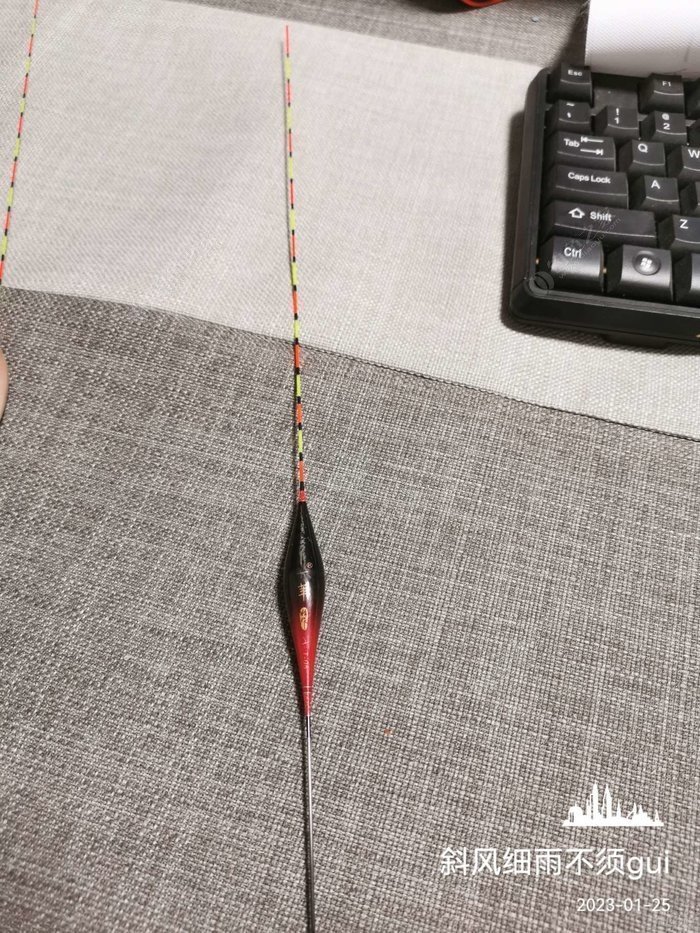
Let’s be real-when I first started fishing, I was that guy who used the same line setup for every single trip. Main line, leader line, hooks-if it didn’t break, I kept using it. I thought “one size fits all” was the way to go, but man, was I wrong! Then I started fishing in ponds (you know, the ones with pro anglers pulling in fish left and right) and realized I was missing so many details. Those guys taught me to check if my main line was frayed, stretched out, or if my leader line was bent, hooks were dull, or my float was cracked. Suddenly, fishing felt less like guessing and more like a skill-who knew?

Why Line Size Matters More Than You Think
Winter fishing? Low pressure days? Game-changer. I used to stick to a fixed main line and swap leaders based on the day’s catch, but that was a mess. If my main line was too thick, I’d miss so many bites-like, the float would twitch, but I’d never feel a solid hit. Then I tried a new trick: pick your leader first, then match the main line. Main line should be 2 sizes bigger than the leader. Wait, let me say that again-leader first, main line second. That changed everything! Bites were way clearer, and I didn’t have to re-tie my main line every time the fish changed. Anyone else notice that? Drop a comment if you’ve tried this too!
My “Too Big Line” Disaster Story
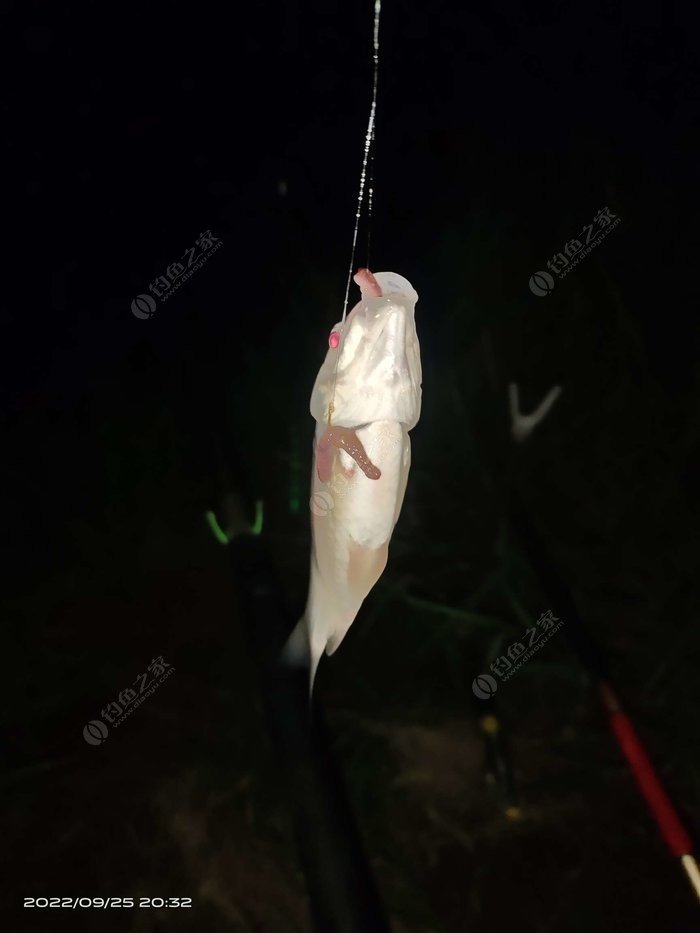
Once, I was fishing for crappie (but heard there might be catfish around). I went with a 0.8 leader + size 5 white sleeve hooks, then paired it with a 1.2 main line. If the bite was slow, I could swap to a 0.6 or 0.4 leader without messing with the main line-perfect. My buddy? Oh, he went all in with a 4.0 main line and 1.5 leader. Guess what happened? He sat there for an hour with zero bites. His float would twitch a little, but every time he set the hook, nothing was there. I finally said, “Dude, your line’s way too thick-try a 1.5 main line and 0.8 leader.” Within 10 minutes, he was pulling in crappie left and right! Thick line kills sensitivity-who knew such a small mistake could ruin a whole trip?
Leader Line: The Big Dilemma (Too Big vs. Too Small)
Ugh, leader line choice is the worst-too big and you might go home empty-handed; too small and you’ll lose the big one. Want to cover both small and big fish? Pick a softer rod. Soft rods protect line-everyone knows that! For pond fishing (not chasing monster fish), skip the super hard rods. But wait, don’t go for a “noodle rod” either-too soft and you can’t control the fish, so you’ll still break line. Stick to 28-tone or 28-37 tone general rods. They protect line and let you reel in fish fast. I use a 28-tone rod with 1.5+1.0 line-handles 3-pound fish easy, which is more than enough for most pond trips. If you’re at a lake with big bass? Focus on the big ones and don’t stress about missing small crappie. Priorities, right?
Oh, and if you’re targeting 3-pound fish? Go 2+1.5 line-no stress, no worrying about breaking. Slow bite? Swap to a thinner leader. Scared of breaking? Use a safety rope! Wait, does anyone actually use those? I’ve had mine for years and used it twice-never even needed it. It’s always in my bag, but I forget to attach it. So dumb-safety rope is there to save your float (which is way more expensive than line)! Don’t be like me-attach it before you cast.

Small Fish Hack: Leader First, Main Line Second
Fishing for 1-2 ounce crappie? Go 0.4 leader, 1.0 or 0.8 main line. Bite’s hot? Swap to 0.6 leader-no need to change main line. That’s the beauty of the “leader first” trick! If I’d started with a 0.8 main line and tried a 0.6 leader, I’d have broken my main line when two hooks got stuck or I reeled in two fish. That’s why pros say main line should be 2-3 sizes bigger than leader. If they’re too close, you’ll lose your main line (and float) when things go wrong.
Let’s break down the math (simple, I promise):
- 1.0 main line = 0.6-0.3 leader
- 2.0 main line = 1.5-1.0 leader
- 3.0 main line = 2.0-1.5 leader
Too big a main line = no sensitivity. Too small = broken line. Easy peasy.
Pro Line Rule: Same Brand for Main + Leader
Trust me-use the same brand for main and leader line. Why? Consistency! I’ve had cheap leader that was thicker than my main line, or a 1.0 leader that pulled harder than a 1.5 main line. That’s a disaster waiting to happen. You think “cheap is fine,” but nope-you get what you pay for. Sellers aren’t dumb; they don’t sell good stuff cheap.
My line fails: I once bought $19.99 for 500 meters of line. Turns out, it was shorter than advertised, stretched like crazy, and didn’t sink worth a damn. Then I tried $120 for 50 meters-great, but way too expensive. Now I use $20-30 line for pond fishing. If it’s cheaper than that? I skip it. I’ve learned my lesson-cheap line = bad trips.
When Can You Use Same Size Main + Leader?
Only in familiar, no-hookup spots. Even then, two hooks stuck or two fish? Trouble. I don’t care about losing line, but losing a $50 float? That stings. Some guys have $100+ floats-no way I’d risk that. So unless you’re 100% sure, skip same-size lines.

My Go-To Pond Fishing Setup (No More Mistakes)
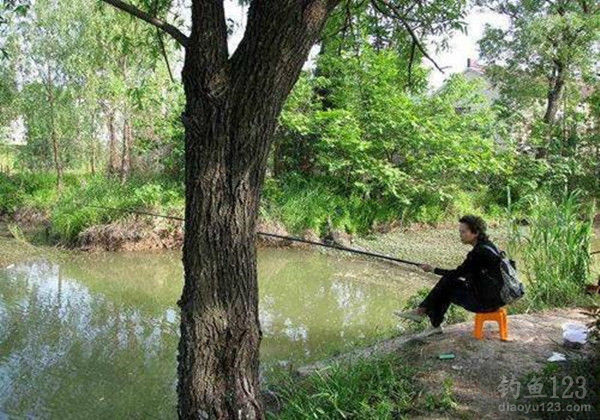
For pond fishing (my favorite), here’s the step-by-step I follow now:
- Pick target fish (crappie, bass, etc.)
- Choose hook type + leader size
- Match main line (2-3 sizes bigger than leader)
- Grab a 28-tone rod (no noodle rods!)
- Attach safety rope (don’t forget this time!)
That’s it! No more guessing, no more wasted trips. I used to spend hours retying line-now I spend hours catching fish. Win-win.
Hey, what’s your go-to line setup? Ever had a “too big line” fail like my buddy? Drop a comment below-I’d love to hear your stories. And if you’re new? Don’t stress-everyone messes up at first. Just start small, test, and adjust. That’s how you learn.
Oh, and one last thing: Don’t forget to check your line every trip! Frayed? Stretched? Ditch it. Hooks dull? Swap ’em. Float cracked? Get a new one. Small details = big catches.
Hope this helps you stop making the same mistakes I did. Tight lines, everyone-may your floats stay up and your hooks stay sharp!