Wild River Fishing Spot Development: How a Mini Engineer Shovel Became My Secret Weapon
Let me tell you-there’s nothing worse than showing up to your favorite wild river fishing spot and realizing every single inch of open water is already claimed. That’s exactly what happened to me last weekend, and it’s how I ended up on a wild goose chase for a new spot… until my tiny mini engineer shovel saved the day. Spoiler: This thing isn’t just for digging holes-it’s a fishing game-changer. Let’s dive in.
The Chaos of a Crowded Wild River
I’m the kind of angler who sets an alarm for 5:30 AM on weekends just to beat the crowds. Last Saturday, though? I hit snooze once (okay, twice) and rolled up to the river at 6:00 AM-30 minutes later than usual. Big mistake. The bank was packed like a Black Friday sale: guys with fancy rods, coolers, and even a few folding chairs hogging every patch of open water. Why? Because the river’s been choked with weeds lately-everywhere you looked, thick green mats covered the surface, leaving barely any “clean” spots to cast.
“Great,” I thought, kicking a rock into the water. “Now I’m stuck either fighting for a spot or going home empty-handed.” But then I remembered: I’d picked up a mini engineer shovel from FishingHome (their platform, not my actual home-though I’ve definitely got fishing gear everywhere) a few weeks back. It’s tiny, fits in my tackle bag, and I’d only used it once to dig a worm hole. Maybe… just maybe… it could help me carve out my own spot?
Turning a Weed Patch into My Fishing Sanctuary
I strapped the shovel to my belt, grabbed my waders, and marched upstream-away from the chaos. After 10 minutes of trekking through tall grass and dodging thorny bushes, I found a spot: a small cove tucked between two banks, half-covered in weeds but with a tiny strip of open water. Perfect. But to make it usable, I needed to:
- Clear a 3-foot wide path from the bank to the water (no tripping over roots mid-cast!)
- Dig out a tiny “ledge” for my rod holder (can’t have it rolling into the river)
- Chop down a few low-hanging branches that were blocking my casting lane
- Scrape away some of the topsoil near the water to make a flat spot for my bucket
Here’s where the mini engineer shovel flexed its muscles. Let’s break down its superpowers:
Why This Mini Shovel Beats Every Other Tool I Own
First off-size matters… in a good way. This thing is like a Swiss Army knife for fishing. It’s 12 inches long, weighs barely a pound, and folds up so small it fits in the side pocket of my tackle bag. No more hauling a giant gardening trowel or a heavy pickaxe that makes me look like I’m going to war, not fishing.
But don’t let the size fool you. The blade is sharp enough to slice through thin branches (I took down 3 small saplings in 2 minutes flat) and sturdy enough to dig through compacted dirt and even small rocks. I used the serrated edge on the side to cut through thick weed roots, and the flat blade to scrape away the top layer of grass. Within 20 minutes, I had:
- A clear path to the water
- A flat, stable spot for my bucket
- A tiny ledge for my rod holder
- A clear casting lane (no more branches smacking my line!)

I even used the pointed tip to poke a few holes in the ground to secure my umbrella (yes, I’m that angler who brings an umbrella-sunburn is not a badge of honor). By the time I was done, my new spot looked like a pro had set it up. And the best part? No one else was around to steal it. Win-win.
From Spot Development to Catching Fish (Finally!)
Once my spot was ready, it was time to do the fun part: fish. I was targeting channel catfish (my go-to for wild rivers) with a simple dough bait recipe I’ve been using for years. But first, I needed to prep my spot a little more-specifically, to “feed” the area to attract fish.
Feeding the Spot: My Mini Shovel’s Unexpected Role
Here’s a pro tip: Before you cast, you need to “prime” the spot with a little bait to draw fish in. But I didn’t have a bait spoon, and my hands are too big to reach the water without getting soaked. Enter the mini engineer shovel again! I scooped up a handful of my dough bait, put it on the flat blade, and gently lowered it into the water about 5 feet from the bank. Perfect. No wet sleeves, no bait floating away. Genius.
I set up my rod (a 7-foot medium-heavy rod, paired with a spinning reel) and baited up. The first 10 minutes were slow-just the sound of crickets and a few birds flying overhead. Then, at 7:15 AM, my float twitched. Once. Twice. Then it dipped under for 2 seconds and popped back up. I waited (rule #1: don’t jerk the rod at the first twitch-fish often test the bait first).
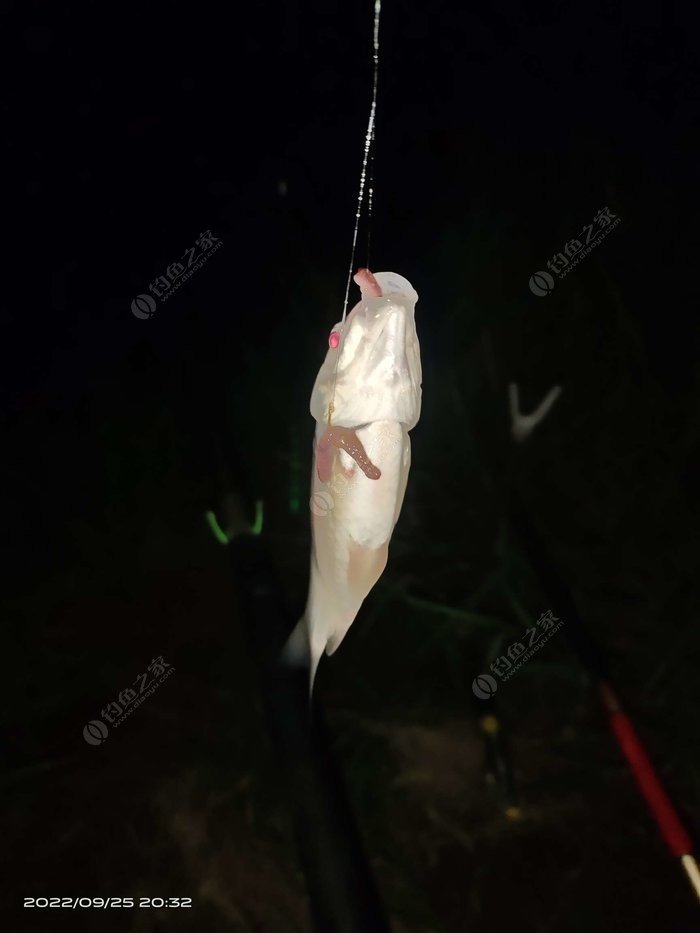
Three minutes later, the float went down… and stayed down. I jerked the rod back, and boom-something big was on the line. It pulled hard, zipping my line through the water like a rocket. I held on tight, keeping my rod up to tire it out. After 5 minutes of fighting (and a few near-misses where it almost got into the weeds), I reeled in a 12-inch channel catfish. Not huge, but it tasted amazing for dinner that night.

I stayed for another hour, catching two more small catfish (and letting one go because it was too tiny). By 9:00 AM, the sun was blazing, and the fish had stopped biting. I packed up, took one last look at my new spot, and headed home-happy, tired, and with a cooler full of fish.
Why Every Angler Needs a Mini Engineer Shovel (Trust Me)
Let’s be real: I used to think shovels were for gardeners, not fishermen. But after that day, I’m a convert. Here’s why you need one in your tackle bag:
- Portability: It fits in any bag-no more hauling heavy tools.
- Versatility: Clears weeds, digs ledges, cuts branches, even helps with baiting.
- Durability: Mine’s made of stainless steel, so it won’t rust even if it gets wet.
- Affordability: I paid like $15 for it-cheaper than a new fishing line.
And let’s not forget the main thing: It lets you claim your own spot in crowded rivers. No more fighting for space, no more watching other guys catch fish while you’re stuck on the bank. With a little digging and a tiny shovel, you can be the king of your own cove.
Wrapping Up (and a Quick Warning)
Before I go, a quick note: Always check local fishing regulations before digging or clearing spots. Some rivers are protected, and you might need a permit to modify the bank. Also, leave the spot cleaner than you found it-pack out your trash, and don’t cut down more trees than you need. We’re guests here, after all.
But if you’re in a legal, public spot? Go for it. Grab a mini engineer shovel, trek upstream, and carve out your own fishing paradise. I did, and I’m already planning my next trip-this time, I’m bringing a friend who’s obsessed with catching bass. We’re gonna clear a spot big enough for two, and maybe even bring a small grill for lunch. Who says fishing can’t be a party?
Oh, and one last thing: If you see me at the river? Don’t steal my spot. I’ve got a shovel, and I’m not afraid to use it. (Kidding… mostly.)