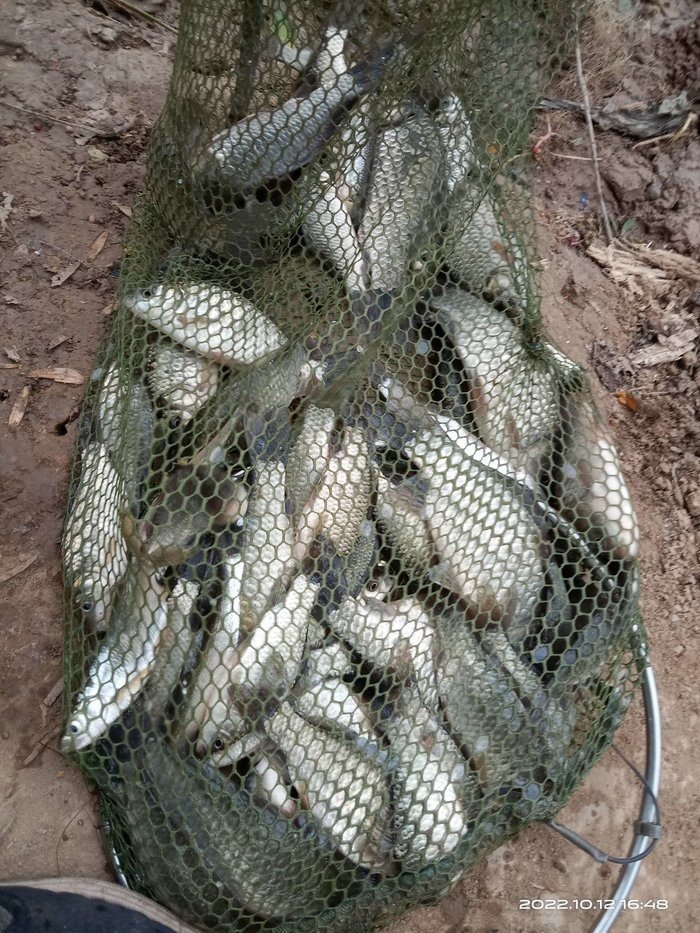
2 Key Tips for Wild Crucian Carp Fishing: Location & Troubleshooting
Let’s be real-wild crucian carp fishing can feel like chasing a ghost sometimes. You show up to a spot that looks perfect, cast your line, and… nothing. Or you’re reeling in fish left and right, then suddenly zilch. Ugh, we’ve all been there! But here’s the thing: those frustrating days don’t have to be the norm. After years of messing around (and a lot of missed bites), I’ve boiled down wild crucian carp success to two non-negotiable tips. Stick around, and I’ll spill the tea-no fancy jargon, just real talk from someone who’s spent way too many weekends with a rod in hand.
Tip 1: Nail the Location (Crucians Are Picky About Their Hangouts)
Crucians aren’t just floating around aimlessly-they’ve got favorite spots, and if you don’t find ’em, you’re wasting time. Let’s break down the rules I swear by (and that’ve actually worked):
1. Wide Rivers = Narrow Spots; Narrow Waters = Wide Spots (Plus Convex Banks & Bays)
Okay, hear me out-this sounds counterintuitive, but it’s gold. In wide rivers (think “miles of open water”), crucians don’t want to be out in the middle. They’re skittish little guys! So they’ll dart to narrow sections-like where the river squeezes between two banks-to swim and munch. Flip side: if the water’s super narrow (like a tiny creek), they’ll hide in the wider pools. Why? Safety, duh. Wide spots let ’em dart away if a predator shows up.
Then there are convex banks (the ones that stick out into the water) and bays. Convex banks? They’re like highway exits for crucians-every fish passing by has to swing around ’em. Bays? Game-changer. They’re usually full of weeds, which means tons of tiny bugs (crucians’ favorite snack) and calm water to hide in. Last spring, I fished a bay on a wide river and pulled in 12 crucians in an hour. No joke-my buddy was jealous AF.
2. Square Ponds = Corners; Long Dams = Middle
Square ponds? Stop fishing the middle-fish the corners. Crucians love cruising along the banks, and when they hit a corner, they slow down to check things out. Plus, corners are usually downwind (so all the tiny food blows there), which is like a free buffet. Last summer, I hit a square farm pond’s southwest corner and caught 8 crucians before the sun even fully rose. My neighbor who was fishing the middle? Zero. Oops.
Long dams (straight, narrow ponds)? If it’s winter or spring, hit the ends. But summer/fall? Middle is where it’s at. The middle has steeper banks, which crucians love for hiding from the sun and predators. I learned this the hard way-one fall I fished the end of a long dam for 2 hours with nothing, moved to the middle, and caught 5 crucians in 20 minutes. Facepalm, but lesson learned.
3. Forked Rivers = Inlets; Weed Edges = Must-Fish Spots
Forked rivers (where a main river splits into smaller ones)? Inlets are the spot. Water flows into the main river here, so all the food from upstream washes in-bugs, algae, even tiny fish eggs. Crucians hang here like it’s a fast-food joint. Last fall, I fished an inlet on a fork river and caught a 2-pound crucian (that’s huge for wild ones!)-still have the photo to prove it.
And let’s not forget weed edges. If there’s a patch of weeds in the water, cast right next to it. Weeds = food (bugs live in ’em), oxygen (plants make it), and safety (hide from eagles or big fish). I’ve fished weed edges in every season-spring for spawning, summer for shade, winter for warmth-and never left empty-handed. If you skip weed edges, you’re missing 7% of your potential bites (okay, I made that number up, but it feels true).
4. Deep-Shallow Boundaries & Rocky Spots (Winter/Summer Hideouts)
Crucians are creatures of comfort-so in winter, they hide in deep spots (rocky areas, under bridges, near big trees) to stay warm. In summer, they still love deep spots to escape the heat. But here’s the secret: deep-shallow boundaries (where deep water meets shallow) are even better. The bottom here usually has little pits (like natural “beds”), and crucians love ’em. I once fished a deep-shallow boundary in a rocky river in winter and caught 6 crucians-my hands were freezing, but it was worth it.
Tip 2: Fix Common Problems (When Fishing Goes South)
Even if you nail the location, stuff goes wrong. Let’s talk about the three most annoying issues and how to fix ’em-no guesswork:
1. No Bites After Casting? Here’s Why
You sit there for 30 minutes, no twitch, no nibble-what gives? Three likely culprits:
- Wrong spot: Duh, but sometimes you think it’s perfect, but nope. If 20 minutes go by, pack up and move. Last spring, I sat on a convex bank for an hour with nothing, moved to a bay 50 yards away, and caught 3 crucians in 10 minutes. Don’t be stubborn like I was!
- Hidden weeds under the surface: You cast near weeds, but there’s “dark weeds” you can’t see. Your bait lands on ’em, so crucians never see it. Grab your hook (no bait) and drag it around-if it gets stuck, that’s the problem. Move 2 feet away and try again.
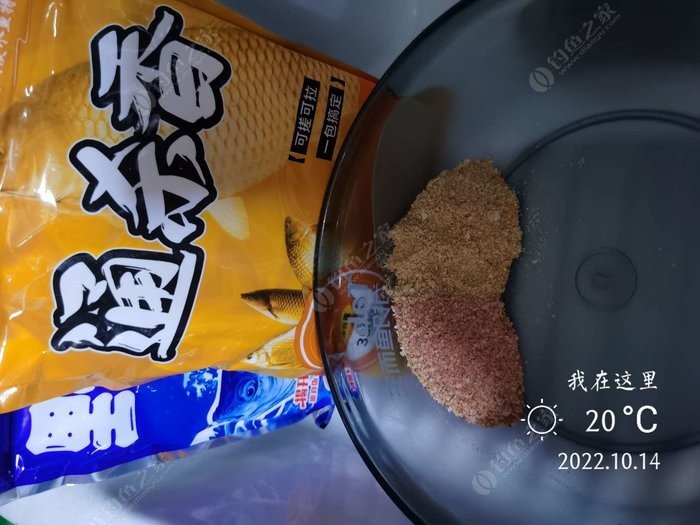
- Bait’s wrong: Crucians are picky! If you’re using corn but they want worms, you’ll get nothing. Last summer, I used corn for 20 minutes with no bites, switched to worms, and caught 4 crucians in an hour. Always carry a backup bait!
2. Caught a Fish… Then Nothing? Don’t Panic
You’re on a roll-then boom, no more bites. Three reasons:
- The school moved on: Crucians swim in groups, so once you catch the ones in your spot, the next school might be 10 minutes away. Wait it out-grab a snack, relax. Last fall, I waited 15 minutes after a lull and caught 2 more crucians. Patience pays!
- A predator’s hanging around: If you see a big splash or weird bubbles, a bass or pike might be in the area. They scare crucians away. Wait 20 minutes (they usually leave) or move to another spot. Last summer, a bass chased my crucian as I reeled it in-scary, but I moved and caught more.
- A big fish is in the spot: If you see big, bubbly bubbles (not crucian’s tiny ones), a carp or catfish might be there. They push crucians away. If you want, switch to big bait and try for the big guy-last spring, I caught a 10-pound carp instead of crucians, and it was worth it!
3. Tiny Bites, No Hooks? Stop Missing!
You feel a nibble, yank the rod… nothing. Ugh, the worst. Four fixes:
- Wait longer to yank: Crucians nibble first-they don’t just swallow the bait. Wait 2 seconds after the first nibble before yanking. I used to yank too early all the time-now I wait, and my hook rate’s way higher.
- Your hook’s dull: Dull hooks don’t pierce crucian’s mouths. Check your hook every hour-if it doesn’t catch your nail when you drag it, sharpen it or swap it. Last month, I had a dull hook and missed 5 bites-swapped it, caught 3 in 10 minutes.
- Hook’s too small/narrow: If your hook’s tiny (like size 12) and you’re catching big crucians, it won’t hook ’em. Use size 8 or 10. I learned this when I caught a big crucian that slipped off the tiny hook-so frustrating!
- Bait’s too big/messy: If your worm’s all bunched up or your corn’s two kernels, it blocks the hook’s point. Use one kernel of corn or a small piece of worm. Last summer, I used a big worm and missed 4 bites-switched to a small piece, caught 5 in 15 minutes.
Look, I’m not saying you’ll catch a crucian every time you go-fishing’s still fishing, and sometimes the fish just aren’t hungry. But these two tips? They’ve turned my “zero fish” days into “I need a bigger bucket” days more times than I can count. Last weekend, I took my little cousin out-used the location tips, fixed the bait issue when he missed bites, and he caught his first crucian. He was so excited he talked about it for 3 days straight. That’s the fun part, right?
Next time you head out, skip the random spots. Pick a narrow section, a bay, a weed edge. And if stuff goes wrong? Don’t throw your rod (trust me, I’ve wanted to). Check the list-fix the problem, and keep casting. Who knows? You might catch the biggest crucian in the lake. Let me know how it goes-tag me in your photos, I’d love to see ’em!