Why Winter Fishing Spot Selection Matters (Spoiler: It’s Make or Break)
Seasons cycle, and suddenly we’re in the bone-chilling depths of winter-those “nine cold days” where the air nips at your cheeks and your fingers go numb through two layers of gloves. Up here in my small northern city, most anglers have already hung up their rods, stored their gear, and settled in for a long winter’s nap. But then there’s us-the die-hard fishing fanatics. We’re still out there, tramping through frozen fields to rivers and lakes, even if we end up with an empty bucket more often than not. Cold? Sure. Frustrating? Sometimes. But we love it anyway.
Now, here’s the big question: How do we cut down on those “air force” days (you know, when you catch nothing) in winter? From my years of freezing my butt off for a single bite, the number one rule is spot selection. Find where the fish are hiding, and you’re halfway to success. So today, I’m spilling my go-to tips for picking winter fishing spots-take ’em or leave ’em, but they’ve worked for me.


1. Fish Sheltered, Sunny Spots (No Brainer, But Here’s Why It Works)
Whether you’re heading to a reservoir, a river, or a tiny wild pond, your first move should be to hunt for sheltered, sunny spots. The colder it gets, the more critical this is-trust me.
- Sheltered = Quiet & Warm: Wind is the enemy in winter. A sheltered spot (think behind a hill, a cluster of trees, or a bend in the river that blocks the wind) stays quieter, which helps fish school up without spooking. Plus, less wind means less water movement, so the temperature doesn’t drop as fast.
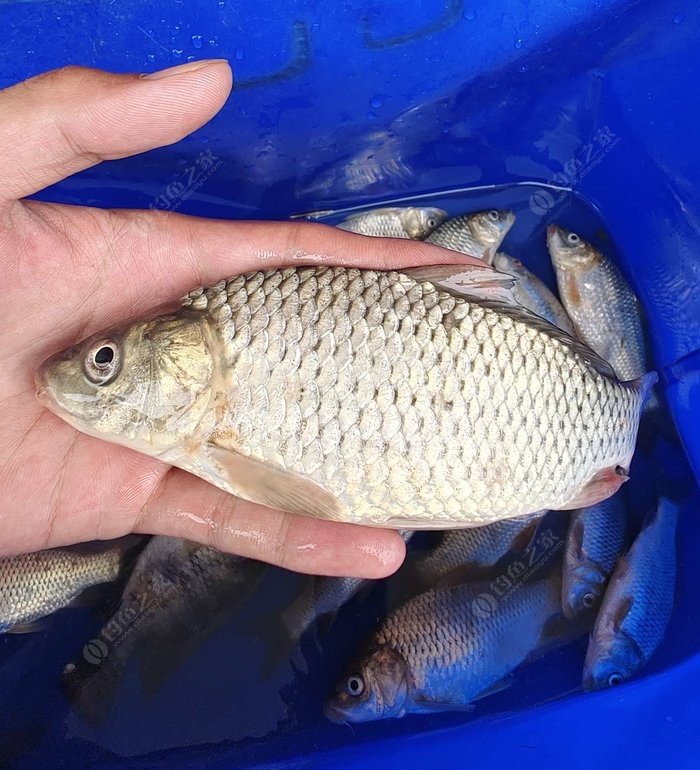
- Sunny = Higher Water Temp: Sunny spots get more hours of direct sunlight, so the water warms up just a tiny bit. Even hardy crucian carp (the winter workhorse) will seek out the warmest water they can find. A degree or two might not seem like much to us, but to a fish in 4°C water? It’s a spa day.
Funny enough, a lot of sheltered spots are also sunny-nature’s little gift to winter anglers. But hey, nothing’s absolute. If you find a sheltered spot that’s in the shade, or a sunny spot that’s windy, use your judgment. And to all the nitpickers out there: This isn’t a law of physics, just a solid tip. Chill.

2. Target Spots with Structure or Under Bridges (Fish Love Hiding & Warmth)
When you arrive at a spot, scan for structure-think submerged logs, rock piles, sunken debris, or old hidden stakes. Fish are skittish by nature, and complex terrain gives them places to hide from predators. But here’s the bonus: Those same nooks and crannies are where small fish and shrimp hang out too. Even in winter, when fish don’t eat much, a easy meal right in front of them is hard to pass up.
Now, let’s talk about bridges-my winter MVP. The area under a bridge is almost always a winner. Why? For one, the water under bridges freezes later than open water. I’ve heard folks say the temperature there is usually 2°C higher than the surrounding area (I haven’t measured it myself, but I’ve seen the difference). The bridge blocks wind, traps a little extra heat, and gives fish cover. If you have a bridge nearby, make it your first stop. You might be shocked at how many bites you get.


3. Grass Edges for Open Water, Open Water for Grass-Covered Areas (The Classic Rule with a Winter Twist)
You’ve probably heard the old saying: “No grass, no bass” (or in winter, no crucian carp). If your spot is mostly open water (no bridges or structure), stick to grass edges. Grass holds heat, provides cover, and attracts tiny prey-all things fish crave in winter. I’ve spent hours fishing bare open water and caught zilch, then moved 10 feet to a grass edge and landed three carp in an hour. It’s that big of a difference.
But wait-if the water is choked with grass (like a river completely covered in weeds), flip the rule: fish the open water holes. Thick grass uses up a ton of oxygen and blocks sunlight, making it a no-go for fish. Those small patches of open water in a sea of grass? They’re like fish magnets. The water there gets more sun, has better oxygen, and is where fish gather to feed and rest. I once found a 3-foot-wide open spot in a grass-covered pond and caught more fish there in an afternoon than I had all month.

4. Narrow Inlets/Bays for Big Waters, Wide Spots for Small Creeks (Temperature Stability = Fish Happiness)
Let’s break this down by water size:
- Big Water (Lakes/Reservoirs): Skip the wide, open expanse-head for narrow inlets or bays. These spots are usually sheltered from wind, so they warm up faster than the main lake when the sun hits. Fish love the stable, slightly warmer water here. I once fished a huge reservoir for two hours without a bite, then moved to a tiny, sheltered bay and caught a dozen crucian carp. The difference was night and day.
- Small, Narrow Creeks: Do the opposite-look for wider spots. Narrow creeks freeze quickly and their water temperature fluctuates like crazy. Wider sections? They hold heat better and have more stable temps, so fish feel safer there. Last winter, I fished a narrow creek and got nothing until I found a 10-foot-wide stretch-boom, three bites in 20 minutes.

Wrap-Up: My Final Winter Fishing Spot Thoughts
At the end of the day, winter fishing is all about adapting. These tips aren’t set in stone-sometimes you’ll find a spot that breaks every rule but still holds fish (nature’s way of keeping us on our toes). But if you start with these guidelines, you’ll definitely cut down on those empty-hand days.
Oh, and one last thing: Dress warm. I’ve made the mistake of skimping on layers and cutting a trip short because I couldn’t feel my toes. A good pair of insulated boots, a thick jacket, and hand warmers are just as important as your spot selection.
So grab your gear, bundle up, and give these spots a try. Let me know how it goes-maybe you’ll catch a whopper and make all the cold worth it. Happy winter fishing, folks!