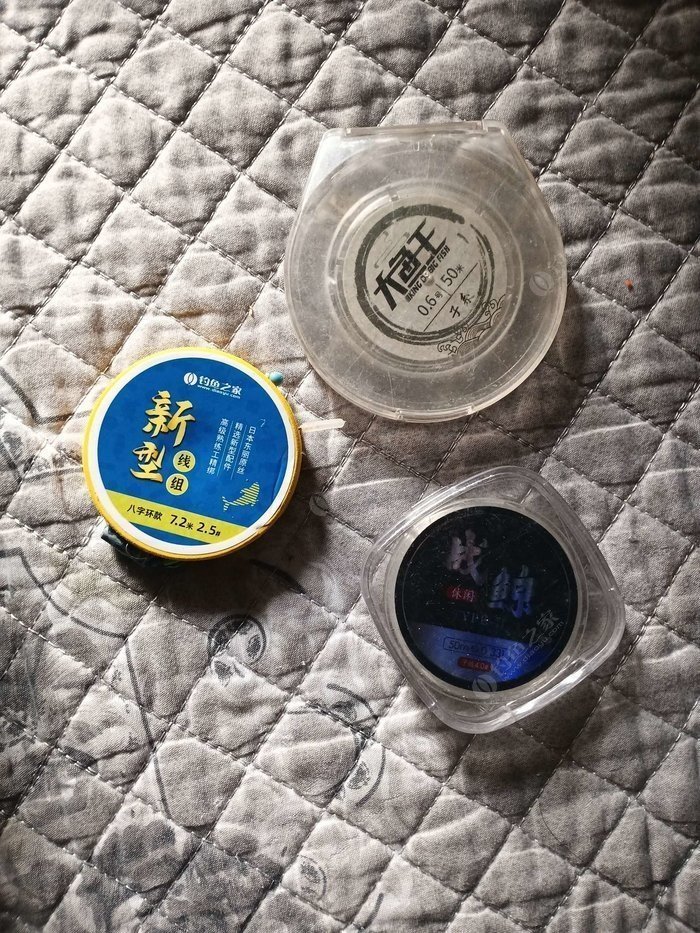
Leader Length & Line Diameter: The Ultimate Fishing Guide for Anglers
Let’s be real—if you’ve ever held a fishing rod, you’ve stared at a spool of line and thought, “What in the world do I pick?” Whether you’re a newbie still figuring out how to tie a knot without tangling your entire tackle box or a seasoned angler who’s lost more big fish than you care to admit, line selection (especially leaders) is non-negotiable. It’s the unsung hero of your setup—mess it up, and you’ll either watch a trophy fish snap your line or spook every bass in the lake before they even glance at your bait. Today, we’re breaking down everything you need to know: when to use short vs. long leaders, their pros and cons, and how to match line diameter to the fish you’re chasing. No fancy jargon, just real talk from someone who’s made every mistake in the book. Let’s dive in!

First Things First: What Even Is a Leader?
Okay, quick crash course for the newbies. Your main line is the big spool on your reel, but the leader is the short (or long!) segment of line that connects your main line to your hook. It’s like the middleman between your rod and the fish—critical for stealth, sensitivity, and strength. Now, let’s argue (playfully) about short vs. long leaders. Spoiler: there’s no “one size fits all”—it all depends on your fish, your bait, and where you’re fishing.
Long Leaders: The Pros (and Why They’re a Pain Sometimes)
Let’s start with long leaders. I define “long” as anything over 10 inches (25 cm)—no fancy rules, just what I’ve tested over the years. First, the good stuff:
Why Long Leaders Rock
- Stealth Mode Activated: Imagine you’re a big, skittish bass that’s been caught (and escaped) 10 times. You see a hook with a tiny weight attached—you’re gone. A long leader pulls your hook and bait far away from the main line and weight, so the fish don’t see the “scary” gear. I’ve used 12-inch leaders for trophy catfish in murky lakes, and the difference? Way more bites from fish that would’ve bolted at a short leader.
- Dynamic Bait Action = More Strikes: Let’s be honest—fish love a show. A long leader lets your bait swing, twirl, and dance in the water way more than a short one. Black ponds (stocked lakes where fish get picky) are a perfect example. I’ve watched pros use 15-inch leaders and “twitch” their rods mid-fall to make the bait spiral—suddenly, every bass in the area is chasing it. It’s like throwing a party for fish, and they can’t resist crashing.
- Less Breakage (Mostly): Longer leaders have more “give” when a fish bolts. Think of it like a bungee cord vs. a rigid rope—if a 10-pound carp makes a mad dash, a long leader stretches a tiny bit to absorb the shock, instead of snapping instantly. I once landed a 12-pound catfish with a 10-pound test long leader—would’ve snapped a short one for sure.
The Annoying Downsides of Long Leaders
- Slow AF Bite Signals: Here’s the catch (pun intended). A long leader means the fish’s bite has to travel farther to reach your rod. So if you’re using a float (bobber), you might see a tiny wiggle 2 seconds after the fish actually bites—way too late to set the hook. I learned this the hard way when I missed 3 big bass in a row because my leader was too long for my float setup.
- Tangle City (AKA My Personal Nightmare): Ever tried casting a 15-inch leader with a spinnerbait? It’s like throwing a wet noodle—half the time, it wraps around your main line, your rod, and even your sunglasses. I’ve spent 10 minutes untangling leaders more times than I can count. Not fun.
- False Bites Galore: If your leader is too long and your weight is too light, it can curl up underwater like a slinky. A curious fish might bump it, and you’ll yank your rod thinking you’ve got a bite—only to pull up nothing but a tangled mess. Ugh.
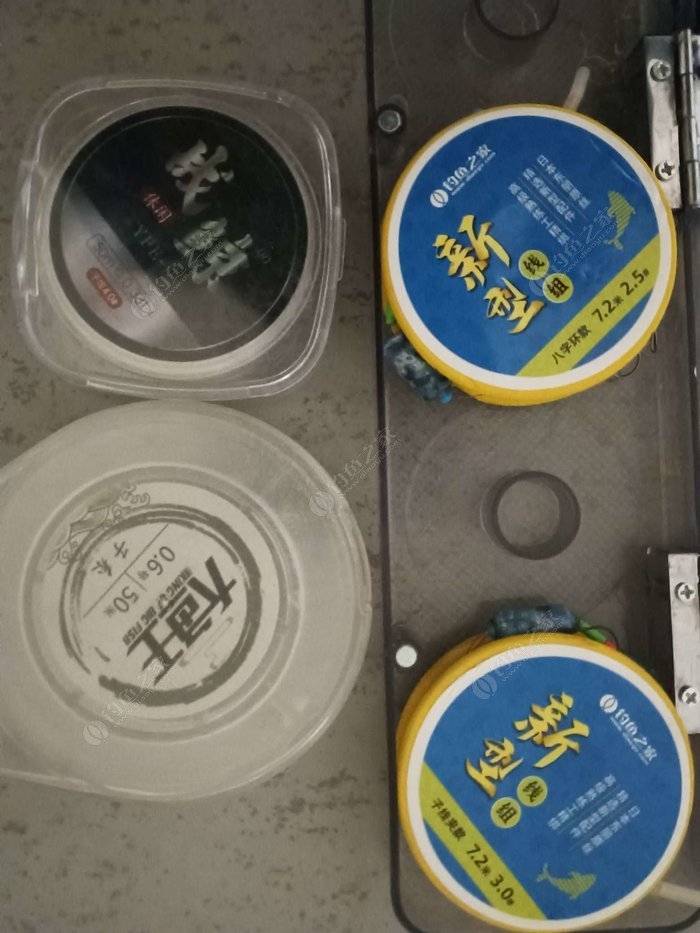
Short Leaders: The Underdog That Saves the Day (Sometimes)
Now, short leaders—let’s call them under 10 inches (25 cm). These are the unsung heroes of specific setups, especially traditional “long rod, short line” fishing (think grass beds or tight spots).
Why Short Leaders Are Awesome
- Sensitivity That’s Off the Charts: If you can feel a fish breathe, your leader is too short? No—wait, short leaders mean every tiny nibble, bump, or tap travels straight to your rod. I use 6-inch leaders for grass bed fishing with a float—if a 2-pound bass even glances at my worm, I feel it instantly. No more missing bites because the signal was delayed!
- No Tangles (Thank the Fishing Gods): Casting a short leader is like throwing a bullet—straight, fast, and zero tangles. I once fished a tiny pond with lily pads everywhere; a long leader would’ve wrapped around every pad, but my 5-inch leader? Smooth as butter. Game-changer.
- Perfect for Tight Spots: If you’re fishing grass holes, docks, or anywhere with obstacles, long leaders are useless. They get caught on every branch, pad, or rock. Short leaders slide right through—especially with a “floating hook” (like a Texas rig or a jig head). I’ve caught more bass in grass beds with short leaders than I can count.
The Not-So-Great Parts of Short Leaders
- Fish See Everything: Short leaders mean your hook, weight, and main line are all super close. Skittish fish (like big trout or pressured bass) will spot the gear and bolt. I once tried a 4-inch leader for trout in a clear stream—zero bites. Switched to a 12-inch leader, and boom—3 trout in 10 minutes.
- Bait Action = Boring: Let’s be real—short leaders don’t dance. Your bait will sink straight down or swing a tiny bit, but that’s it. If you’re fishing for fish that want a show (like black ponds), short leaders are a no-go. I’ve tried it—zero strikes.
- More Breakage (Ouch): No give = more snaps. If a big fish bolts, a short leader can’t absorb the shock. I once lost a 15-pound catfish because my 8-inch leader snapped—would’ve used a long one if I’d thought it through.
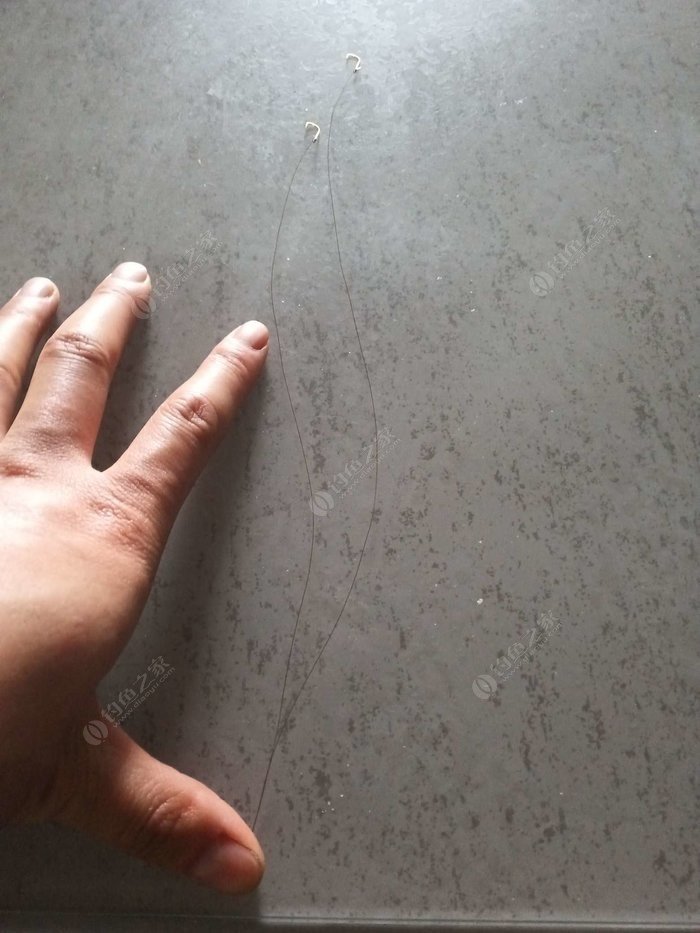
Now the Big Question: How to Match Line Diameter to Your Target Fish
Okay, so you’ve picked short or long—now what about line diameter? Let’s get one thing straight: “line test” (like 4lb, 10lb) is how much weight the line can hold before breaking. But diameter matters too—thicker lines are stronger but less stealthy; thinner lines are invisible but weaker. Here’s my go-to cheat sheet (tested on real fish, not just charts):
Small Fish (Under 3 oz / 85g): Panfish, Small Trout
- Main Line: 0.8–1.0 lb test (thinner = more invisible)
- Leader: 0.4–0.6 lb test (even thinner! These fish are tiny—they’ll spot a thick line)
- Pro Tip: Use a short leader (6–8 inches) here—sensitivity is key. You don’t want to miss a nibble from a 2-oz bluegill!
Medium Fish (0.5–1 lb / 225–450g): Largemouth Bass (Small), Catfish (Small)
- Main Line: 1.0–1.2 lb test (strong enough for a fight, thin enough for stealth)
- Leader: 0.6–0.8 lb test (balance of strength and invisibility)
- Pro Tip: If you’re fishing in clear water, go thinner; if it’s murky, a tiny bit thicker is okay.
Medium-Large Fish (1–3 lb / 450g–1.3kg): Largemouth Bass, Channel Catfish
- Main Line: 1.5–2.0 lb test (need strength for a good fight)
- Leader: 1.0–1.2 lb test (strong enough to hold a 3-lb bass, but not so thick it scares them)
- Pro Tip: Use a long leader (10–12 inches) here if the water is clear—those bass are skittish!
Large Fish (3–5 lb / 1.3–2.2kg): Big Bass, Flathead Catfish, Pike
- Main Line: 2.0–3.0 lb test (you need to stop a 5-lb pike from bolting into weeds)
- Leader: 1.2–2.0 lb test (strong enough to handle their teeth or hard fights)
- Pro Tip: If you’re fishing for pike or musky, use a wire leader (but that’s a whole other topic—today we’re talking monofilament or fluorocarbon).
Monster Fish (Over 5 lb / 2.2kg): Carp, Striped Bass, Catfish
Let’s be real—these are rare for most of us. But if you’re chasing them? Go thicker: 3.0+ lb main line, 2.0+ lb leader. And for the love of all things fishing, use a long leader (12+ inches) — those monsters are super skittish. I’ve only caught one 6-lb carp, and that leader saved my bacon (literally—my bait was bacon).
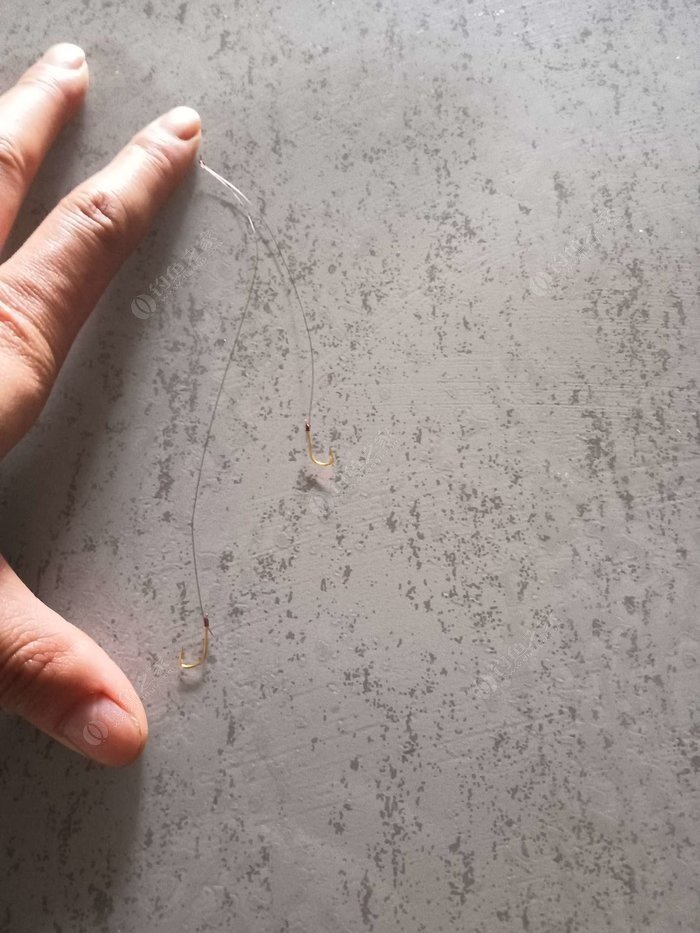
Real Talk: There’s No “Perfect” Setup
Here’s the thing I wish someone had told me when I started: fishing has no rules. Last month, I fished a pond where everyone was using long leaders for bass— but I tried a short leader (7 inches) with a tiny worm, and caught 5 bass in an hour. Why? Because the pond was super murky, so the short leader’s lack of stealth didn’t matter, and the sensitivity let me feel every nibble. Another time, I used a long leader (14 inches) for panfish in a clear lake—caught 12 bluegill in 20 minutes. It’s all about reading the water, the fish, and adapting. Don’t be that angler who sticks to one setup no matter what—you’ll miss out on so many bites.
Final Thoughts (No Boring Summary, Promise)
At the end of the day, line selection is about trial and error. I’ve wasted $50 on line that didn’t work, tangled more leaders than I can count, and lost fish because I picked the wrong setup. But that’s part of the fun! Next time you hit the water, try switching up your leader length—you might be shocked at how many more bites you get. And if you mess up? Who cares? It’s fishing—half the time, we’re just here for the beer and the sun anyway. Oh, and one last thing: if you’re using a long leader, bring extra line—you’ll need it for tangles. Trust me.