Life’s Busy, But Fishing Is My Escape
Let me tell you—life’s a grind. “Green hills never age, I never rest; Busy all my life for food and salt.” That’s a line from an old poem I love, and it hits way too close to home. For decades, I’ve juggled work, family, and endless chores, dreaming of days where I could trade the chaos for a fishing rod by a quiet lake. But between kids’ homework, laundry, and fixing leaky faucets, those fishing days felt like a distant dream.
Then came the national holiday—you know the one, where everyone’s supposed to relax? But the weather had other plans. Sudden temperature swings turned what should’ve been a fishing bonanza into a total bust. I spent the whole week staring at a still float, no bites, just frustration. By the end, I was counting down the days until my next shot.
Seven long workdays later, Sunday finally arrived. I’d spent the week buttering up my wife—cooking, cleaning, even fixing the broken shelf she’d been nagging me about. Worth it? Hell yes. She finally said yes to a day on the water. The catch? I’m on dish duty for a week. Pfft, I’d do a year of dishes if it meant escaping the house for a day of fishing.
Autumn Fishing: A Game of Weather Luck
Autumn’s supposed to be fishing gold, right? Cooler temps, hungry fish—what’s not to love? But this year, the weather’s been a rollercoaster. One day it’s 80°F, the next it’s 50°F. Those sudden shifts mess with the fish’s feeding habits. One minute you’re getting bites, the next you’re staring at a float that’s as still as a statue. But hey, that’s fishing—you take the good days with the bad.
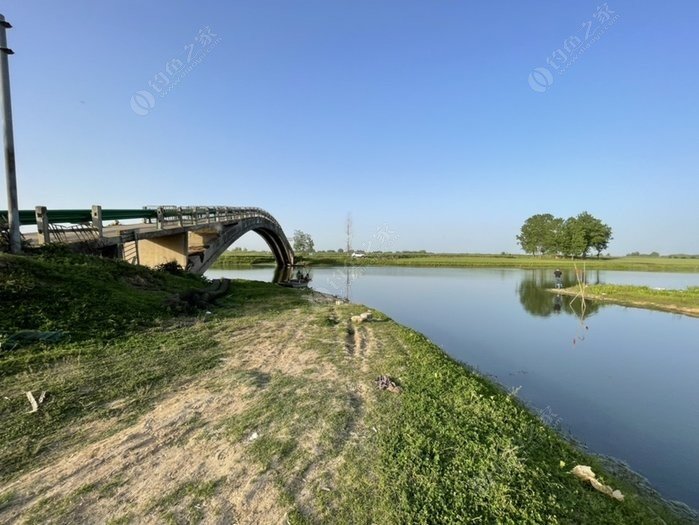
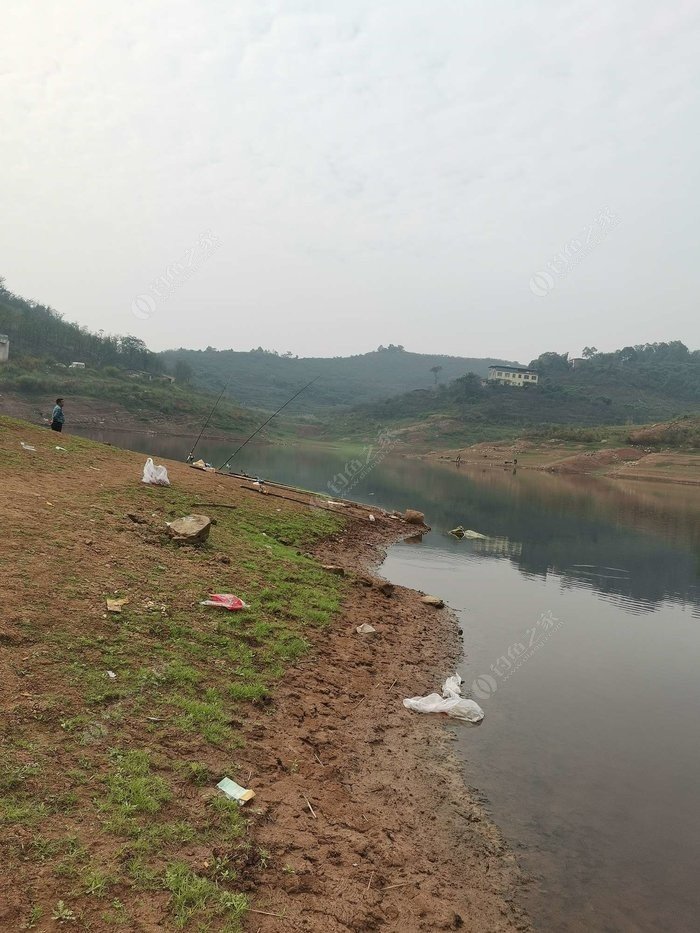
My target? Bayi Reservoir, tucked in the hills of Yongchuan. This summer’s drought hit hard—water levels dropped 75%! Now, you can see the entire reservoir from most spots. No more guessing where the fish are hiding; it’s all laid bare. I arrived at 7 a.m., just as the sun was peeking over the hills. Already, there were a dozen other anglers set up, rods in the water, eyes glued to their floats. I found a spot that looked promising—flat bottom, about 1.7 meters deep, with a little cover nearby. Perfect.
Getting Set Up: Bait, Rod, and a Quick Cleanup
First things first: bait. I swear by Fishing Home’s “All-Catch” series—both the fishy (All-Catch Fish) and sweet (All-Catch Sweet) versions. Shoutout to Fishing Home, by the way—their forum lets you earn points for posting, which I use to get free gear. This bait’s saved my trips more times than I can count. Since it’s autumn, I mixed them 1:1—enough fishy scent to attract predators, enough sweetness for the picky ones. The bait’s got a lot of gluten, so I added a little “Three Bodies” by Liu Zhiqiang to thin it out. That stuff’s got coarse particles that create great cloud cover to draw fish in, and the leftover bits stick around to keep them there. Bait-to-water ratio? 1:1.1, so it’s soft. Fish are less active in fall—soft bait is way more appealing than hard, crunchy stuff.
While the bait sat, I noticed something gross: trash. Cans, plastic bags, old bait containers—left by other anglers. Ugh, that’s the worst. I grabbed a bag and picked up everything within 10 feet of my spot. It only took 10 minutes, but it made the place feel like mine again. Plus, I’m not leaving my favorite spot a mess. Call me crazy, but a clean spot makes the fish bite better—at least in my head.

My Go-To Setup for Autumn
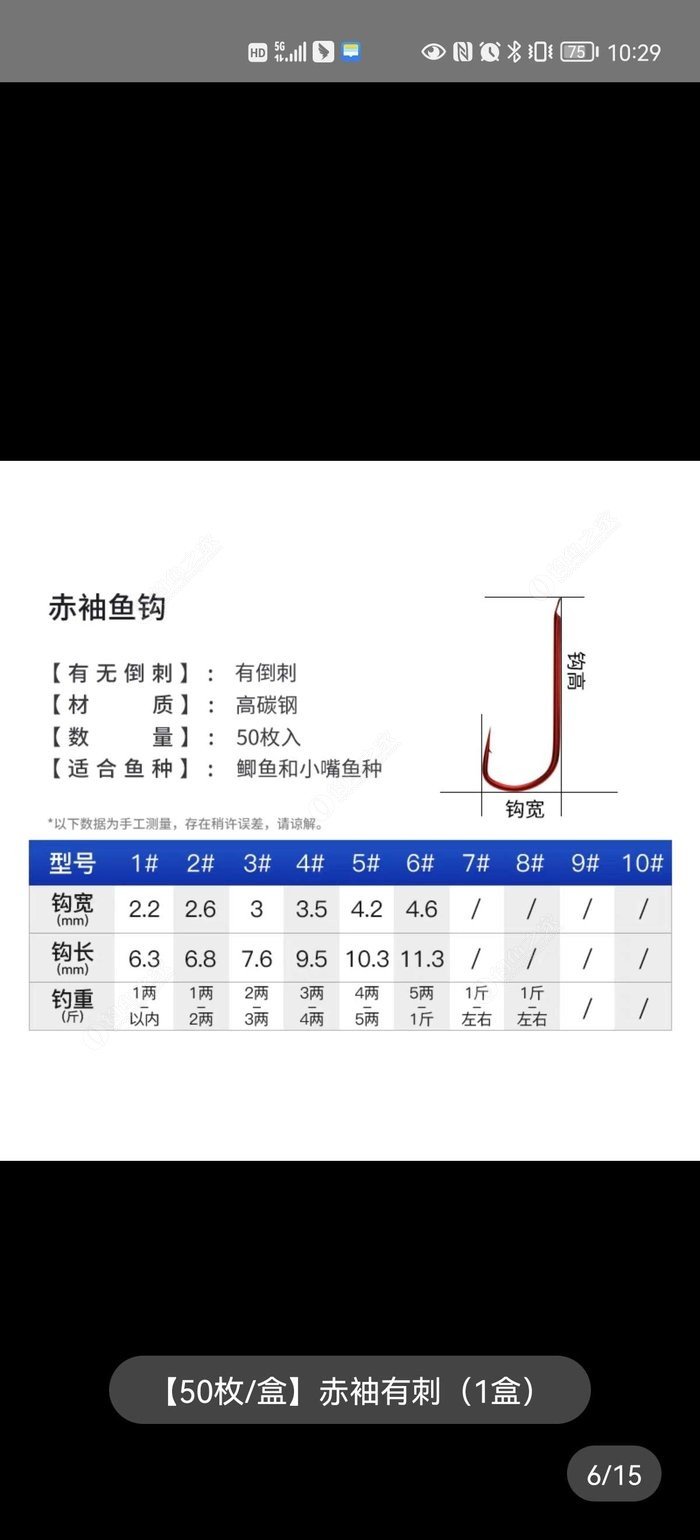
Rod: 4.8-meter, 28-37 action. Not too stiff, not too whippy—perfect for fighting both small fish and the occasional surprise big one. Line: 1.0 mainline, 0.4 fluorocarbon leader. Hooks: Size 4 gold hooks—sharp, small enough for panfish, strong enough for bigger stuff. I found the depth first: 1.7 meters in the spot I chose. Then I checked the area around it—flat, no sudden drops, just a nice, even bottom. I mixed half the bait with some rice wine to make a chum mix, then tossed it in to get the fish feeding. The other half I kneaded into balls for my hook.
The Make-or-Break Step: Adjusting the Float
Here’s the thing most new anglers miss: your float setup is everything. Get it wrong, and you’ll miss 90% of the bites. Get it right, and you’ll be hauling in fish left and right. I’m not kidding—this is the part that turns a “meh” day into a “I can’t believe I caught that many” day.
Let me break down my method (it’s classic, but it works):
- Start with a heavy sinker to find the bottom. I leave 1 eye (the smallest mark on the float) above water. Then I attach my leader and push the float down by the length of the leader. Now the sinker’s on the bottom, hooks are flat on the lake bed, and the float’s submerged.
- Slowly trim the sinker until the float pops back up 1 eye. Now the sinker’s suspended, the top hook is just off the bottom, and the bottom hook is touching. That’s the sweet spot for sensitivity.
- Then I push the float up until it shows 4 eyes. Now the top hook’s lightly touching the bottom, the bottom hook’s flat, and the sinker’s still suspended. This setup works no matter how big your bait is—just cast to the same spot, and the float stays at 4 eyes.

Why 4 eyes? Because in fall, fish are less aggressive. A subtle bite—like a 1-eye dip—will show up clear as day. If you set it too high (like 5 eyes), the hooks are both flat, and you’ll miss those tiny bites. Too low (float just barely above water), and the sinker’s on the bottom—you’ll only get big, obvious bites, which are rare in fall.
Here’s what the bites look like: When a fish sucks in the top hook, you’ll get a sharp 1-2 eye dip. For the bottom hook, it’s a quick 1-2 eye rise then a drop. If you miss that first tiny movement, the fish will spit the bait out, and you’re done. But if you set the hook right then? Boom—fish on.
Float Adjustment Mistakes I’ve Made (So You Don’t Have To)
Trust me, I’ve messed this up more times than I can count. Early on, I thought “more eyes = more stability” so I set it to 6. Big mistake. I sat there for 3 hours with zero bites, even though I saw other anglers catching fish. Turns out, my setup was so dull, I couldn’t feel a thing. Then I tried setting it to 1 eye—too sensitive. Every little wave made the float dance, and I was setting the hook at nothing all day. It took months of trial and error to get to 4 eyes. Now? I swear by it.
The Payoff: Bites, Bites, and More Bites
Once the float was set, I leaned back in my chair and took a breath. This is my favorite part—no emails, no chores, just me, the water, and the quiet. I cast the bait, watched it sink, and waited. Two seconds later? A half-eye dip. I set the hook—bingo! A tiny minnow, no bigger than my pinky. But hey, a bite’s a bite. I tossed it back (too small to keep) and reeled in.
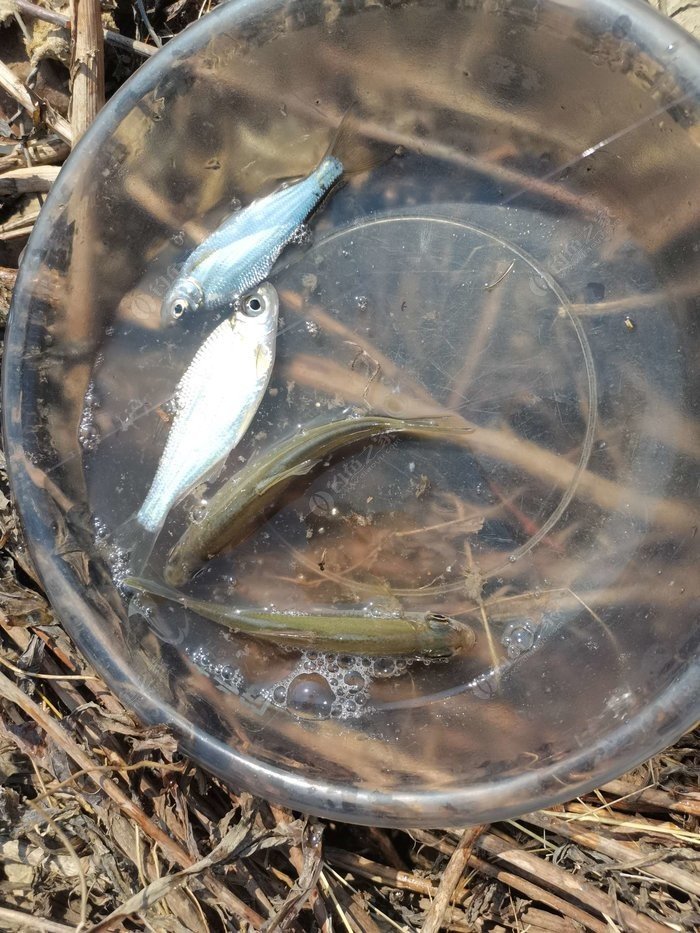
Next cast: a sharp 2-eye dip. I set the hook, and this time it was a small crucian carp—perfect size for the pan. I slipped it into my net, grinning like an idiot. Then another bite. And another. For the next two hours, it was nonstop. Small fish, mostly, but that’s okay. I’m not here for trophies—I’m here for the feeling of the float moving, the tug on the line, the quiet.

Pro tip: Don’t cast full distance. Cast 70% of the way—this keeps the line straight down from the float to the hooks, so every tiny bite shows up. Cast full, and the line’s at an angle—you’ll miss half the bites, and if you hook a big fish, you’ll get pulled into a tug-of-war you can’t win.

When the Float Adjustment Backfires (Sort Of)
Here’s the weird part: since I started nailing the float setup, I’ve been catching way more small fish, but almost no big ones. Last month, I hooked a monster—probably a 2-pound carp—but my 0.4 leader snapped like a twig. I was gutted. But then I thought about it: fishing’s not about the big ones. It’s about the day out, the quiet, the little wins. If I catch a dozen small fish, that’s better than sitting all day with nothing. Sometimes, you just have to roll with it.

More Than Fishing: A Lesson in Letting Go
As I sat there, reeling in another small fish, I realized something: fishing’s a lot like life. You can plan every detail—bait, float, spot—but sometimes the fish just don’t bite. Sometimes you get a big one and lose it. But that’s okay. You can’t control everything. All you can do is show up, do your best, and enjoy the ride.
Life’s messy—we all have our “ground chicken” days (you know, the ones where nothing goes right). But if you can find something that makes you forget about the chaos—for me, it’s fishing—you’ll be okay. I’ve learned to stop obsessing over the big catches. Now, I just smile when the float moves, even if it’s a tiny minnow. That’s the joy of it.

Wrapping Up (But Not Really)
By the end of the day, my net had about 20 small fish—nothing to brag about, but enough to make my wife laugh when I showed her the photos. I packed up my gear, grabbed the trash I’d collected, and headed home. The drive back was quiet, my hands still smelling like fish and bait. But I didn’t care. For one day, I’d escaped the grind. For one day, I was just a guy with a rod, a float, and a whole lot of luck.
Next time you’re out fishing, don’t skip the float adjustment. Take 10 minutes, get it right. You’ll be shocked at how many more bites you get. And if you don’t catch anything? That’s okay too. Sometimes the best part of fishing is just being outside, away from it all.