Dealing with the Current: My Frustrating (But Educational) Day at the Sea Gate
Let me tell you—nothing kills a fishing trip faster than watching a fish take your bait… and then *poof*—it’s gone. That’s exactly what happened to me last month at this coastal sea gate (some folks call it a “weir”) near my place. I’ve fished here before, but this time? The current was *insane*. Every time I thought I had a bite, I’d yank the rod, and either the line went slack, the hook bent, or I pulled up nothing but seaweed. I left with more empty hooks than stories to tell—so I knew I had to dig into this problem. Let’s break down what’s going on, what I’ve tried, and what might actually work.
The Fishing Spot: A Current-Powered Feeding Ground (That’s Also a Nightmare)
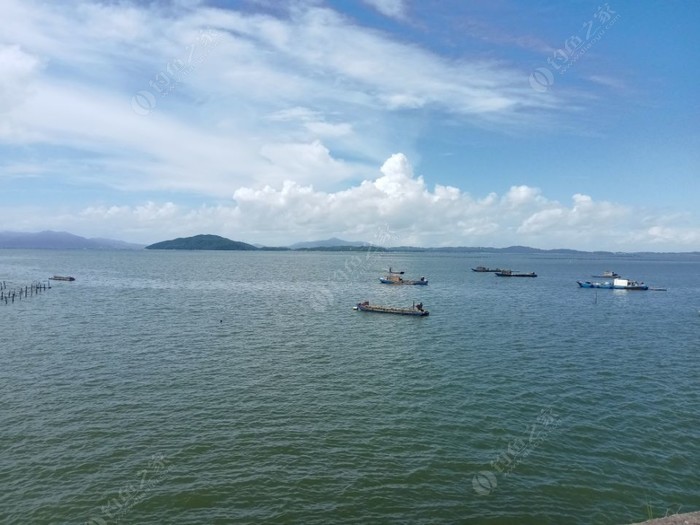
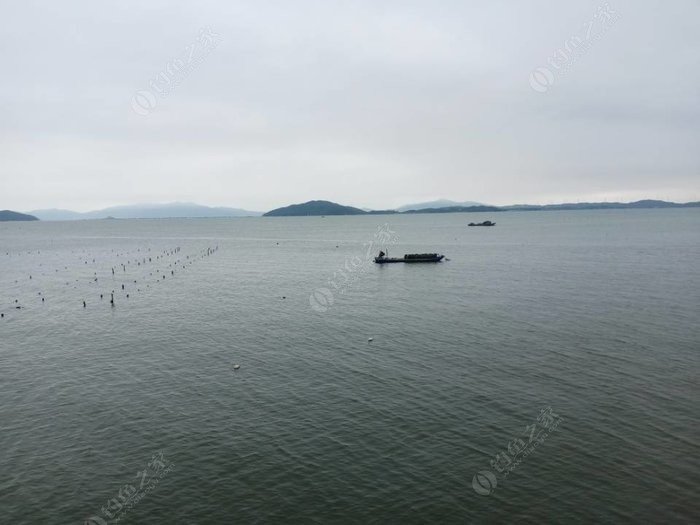
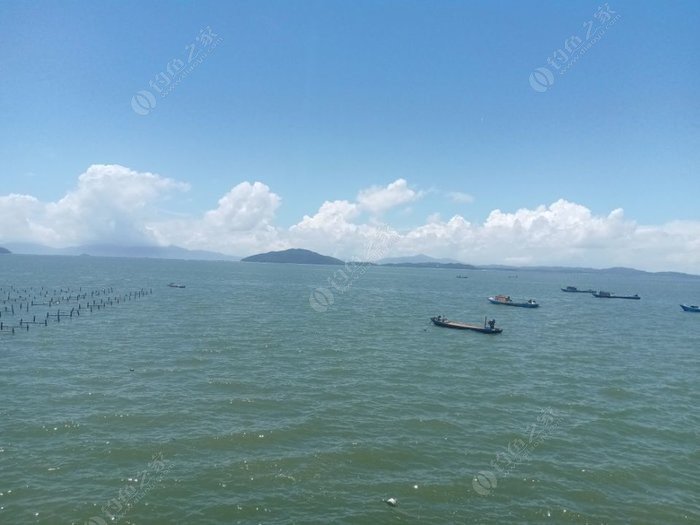
First, let’s set the scene. This sea gate connects a huge, wide channel to the ocean. Unlike other weirs where they close the gate and the water goes calm (hello, easy reservoir-style fishing), this one’s open 24/7. The current here? It’s tied straight to the tides. When the tide comes in, water rushes left through the channel; when it goes out, it’s a rightward flow. And here’s the kicker: the fish here are *weird*. They only eat when the current’s moving. Dead tide? No bites. Full tide? The current’s so fast it feels like the water’s trying to yank my rod out of my hands. 
The Big Problem: Float Drift = Rod Angle Chaos
Let’s get to the heart of the issue. When the current’s cranking, my bait doesn’t just sit there. It drifts with the flow, taking my float with it. But my line’s only so long—so eventually, the float hits the end of the line and stops. That’s when the fish move in to chow down. But here’s the catch (pun totally intended): by then, my rod and the float (and thus the hook) are *not* in the same plane. Imagine holding your rod straight out, but the float’s 10 feet to the left—your line’s at an angle, not straight up and down. 
When I try to set the hook in that situation? It’s a mess. I’ve tried so many things, and most of them failed miserably. Let’s list the chaos:
My Failed Hookset Experiments (Spoiler: Most Sucked)
- Vertical Yank (From Where I’m Standing): This just doesn’t work. The line’s at an angle, so the hook doesn’t drive straight into the fish’s mouth. Half the time, I feel a tiny “thud” and then nothing—fish gone.
- Move the Rod First, Then Yank: I’d try to slide my rod over to where the float is, then set the hook. But that takes 2 seconds—way too long. By the time I yank, the fish has already spit the bait.
- Lean Left/Right to Yank: I thought tilting the rod with the current might help. Nope. Either the hook slides out, or I pull so hard the line snaps (or the hook bends—more on that later).
- Heavy Fixed Float Rig (I Quit This Ages Ago): Don’t even get me started. The current’s so strong at full tide that the float disappears. And it’s so sensitive that I can’t tell a bite from a wave. Total waste.
- Switch to Off-Set Hooks: This was the only tiny win. Off-set hooks (you know, the ones with the slight bend) seemed to catch a little better. But I still lost way more fish than I kept. And sometimes, I’d feel that “thud” but the hook would be bent out of shape—like the fish grabbed it by the side, not the mouth.


Why the Angle Is Killing Your Hookup Rate (Science, Sort Of)
Let’s get real for a second. When your rod and hook aren’t aligned, the hook doesn’t penetrate straight. Think of it like this: if you’re trying to poke a nail straight into wood, but your hammer’s at an angle, you’ll either miss, bend the nail, or just tap it. Same with fishing. The current pulls your line sideways, so when you yank, the hook’s coming at the fish’s mouth from an angle—not straight in. That means it’s way easier for the fish to spit it out, or for the hook to only catch a tiny piece of flesh (which rips free).
And those bent hooks? I used to blame the hook quality—until I tried BKK hooks (shoutout to the fishing forum crew who recommended them). Those bad boys don’t bend anymore. But the problem still stuck around—because the angle was still wrong. 
What Actually Might Work? (I’ve Been Researching Like a Madman)
Okay, enough complaining. Let’s talk solutions. I’ve been scrolling fishing forums, watching YouTube, and pestering the old guys at the local bait shop. Here’s what I’ve got so far—some I’ve tested, some I’m planning to try next time:
1. Adjust Your Float Setup (Stop Fighting the Current)
Instead of letting the float drift all the way to the end of the line, maybe use a sliding float? Wait, no—wait, sliding float with a stop knot? Wait, here’s the thing: a sliding float lets the line move through the float, so the float can drift with the current, but the hook stays at a fixed depth. But how to stop it from drifting too far? Oh, right—tie a small rubber stop knot above the float. That way, the float can drift until it hits the stop, but your hook’s still at the right depth. And maybe use a lighter float? Wait, no—current needs a heavier float to stay visible. Wait, maybe a “drift float” setup? Like, use a float that’s just heavy enough to keep the bait off the bottom, but not so heavy it fights the current. 
2. Change Your Hookset Technique (Stop Yanking Like a Maniac)
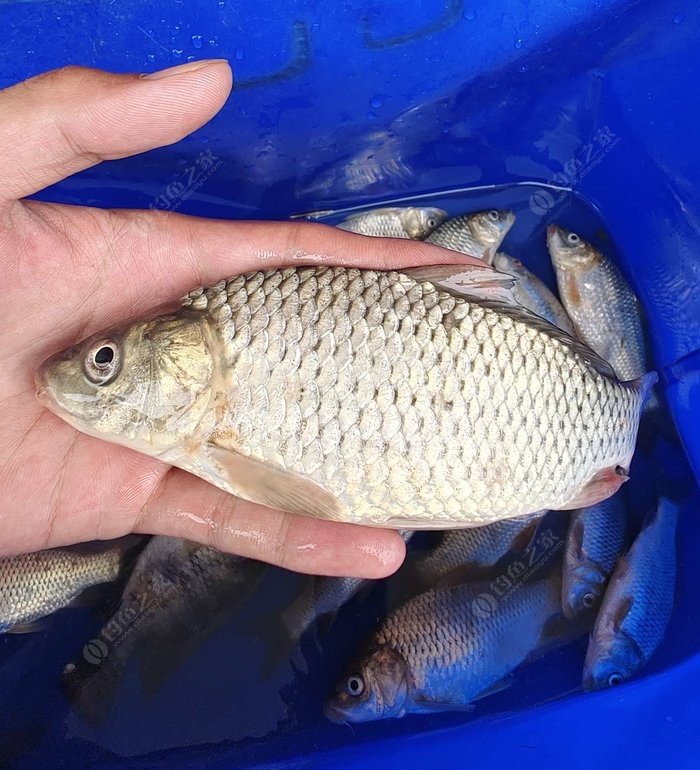
The old guys at the bait shop swear by this: instead of a hard vertical yank, do a “side sweep” or a “follow the float” hookset. Here’s how: when you see the bite, instead of yanking straight up, sweep your rod *with the current* (so it’s in line with the float) and then set the hook. That way, the line’s straight, not at an angle. Or, if the float’s drifting left, sweep left first, then set. It’s not a 2-second move—you have to react fast, but it’s smoother than moving the rod first. I tried this once last week, and I actually hooked a small snapper! It didn’t get away—win!
3. Use a Longer Rod (Or Adjust Your Cast)
Wait, my rod’s 7 feet. Maybe a longer rod (9 feet?) would let me reach further, so the float doesn’t drift as far from my rod’s position? Or, cast *against* the current. Like, if the current’s going left, cast right, so the float drifts left towards you. That way, when it stops, it’s closer to your rod’s line of sight. Oh, that makes sense! I never thought of that before. Casting against the current could keep the float in a more direct line with my rod. 
4. Try a Different Rig (No More Fixed Float)
The fixed float rig is dead to me. What about a “running rig” or a “ Carolina rig” for saltwater? Wait, Carolina rig is usually for bottom fishing, but maybe a modified version? Or a “slip sinker” rig? Let’s think: slip sinker lets the line move through the sinker, so when a fish bites, it doesn’t feel the weight. But in current, would the sinker stay on the bottom? Maybe. Or a “float and fly” rig? No, that’s for trout. Wait, maybe a “drift rig” with a small weight above the hook? So the bait stays near the bottom, but the weight doesn’t fight the current too much. 
5. Hook Size and Type (Stick with Off-Set, But Maybe Smaller?)
I know off-set hooks work better, but maybe I’m using too big a hook? The fish here are mostly small to medium (snapper, grunt, maybe a small grouper). If I go down a size, would the hook penetrate easier? Also, maybe a circle hook? Wait, circle hooks are supposed to set themselves when the fish swims away. But do they work in current? I’ve never tried them here. The old guys say circle hooks are great for live bait, which is what I use (shrimp, squid). Maybe that’s a test for next time. 
Final Thoughts (And a Plea for Help)
Look, I’m not a pro. I’m just a guy who loves fishing and hates losing fish. I’ve tried everything I can think of, and some things work a little, but nothing’s perfect. The current here is brutal, and the fish are finicky—they only eat when the water’s moving. But I’m not giving up. Next time I hit that sea gate, I’m trying the side sweep hookset, casting against the current, and maybe a circle hook. And if that doesn’t work? I’ll be back to the forums, pestering the old guys, and writing another post.
What about you? Have you fished in strong current where the float drifts? What’s your go-to trick for setting the hook? Drop a comment below—I’m desperate for more tips. Let’s catch more fish and less frustration together!