Adapting to Fish Behavior: Flexible Adjustments and Precision Float Fishing
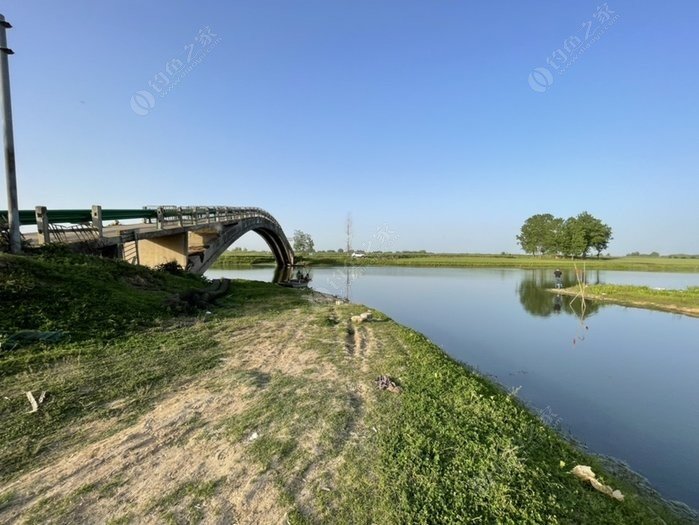
Let me tell you about this wild little spot I stumbled on—an urban canal in Shanghai that’s actually connected to the Yangtze River. Most days it’s dead calm, but every now and then they’ll pump water out and open the sluice gates, so the water stays crystal clear. No stocked fish here, either—total wild ones. Before the pandemic, barely anyone fished here. Then lockdown hit, and suddenly we were all stuck in the neighborhood. That’s when I noticed: the canal was full of line-shy fish—you know, the ones that’ve been caught and released so many times they’re super wary of hooks and bait.
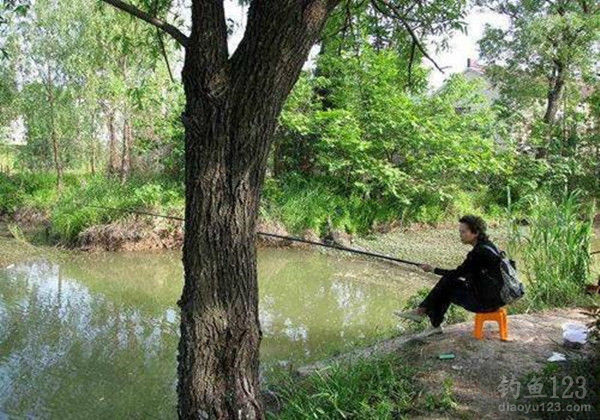
Traditional bottom fishing here was a joke—you’d be lucky to land 2 or 3 crucian carp in half a day. Then one day, I blew everyone’s mind: 68 crucian carp in 2 hours. Next thing I knew, the place was packed. Old fishing guys were showing up from 3 or 4 miles away, trampling the soft dirt by my favorite spot until it turned into something like concrete. But here’s the kicker: almost every single one of them left empty-handed. Day or night, nothing. The chaos lasted two weeks, then everyone gave up and the canal went quiet again. Classic, right? They saw my numbers but didn’t get the why behind them.
My Go-To Tackle Setup for These Tricky Fish
Let’s break down the gear that actually works here—because standard stuff just doesn’t cut it with these skittish little crucians. Remember, these are mostly under an ounce, so subtlety is everything.
Line & Hook: Tiny = Effective
- Mainline: 0.8lb test – Thin enough to not spook fish, but strong enough for the occasional surprise (like the tiny carp I caught last week).
- Leader: 0.4lb test – Even thinner, so it disappears in the water. And since the canal’s clear, that’s non-negotiable.
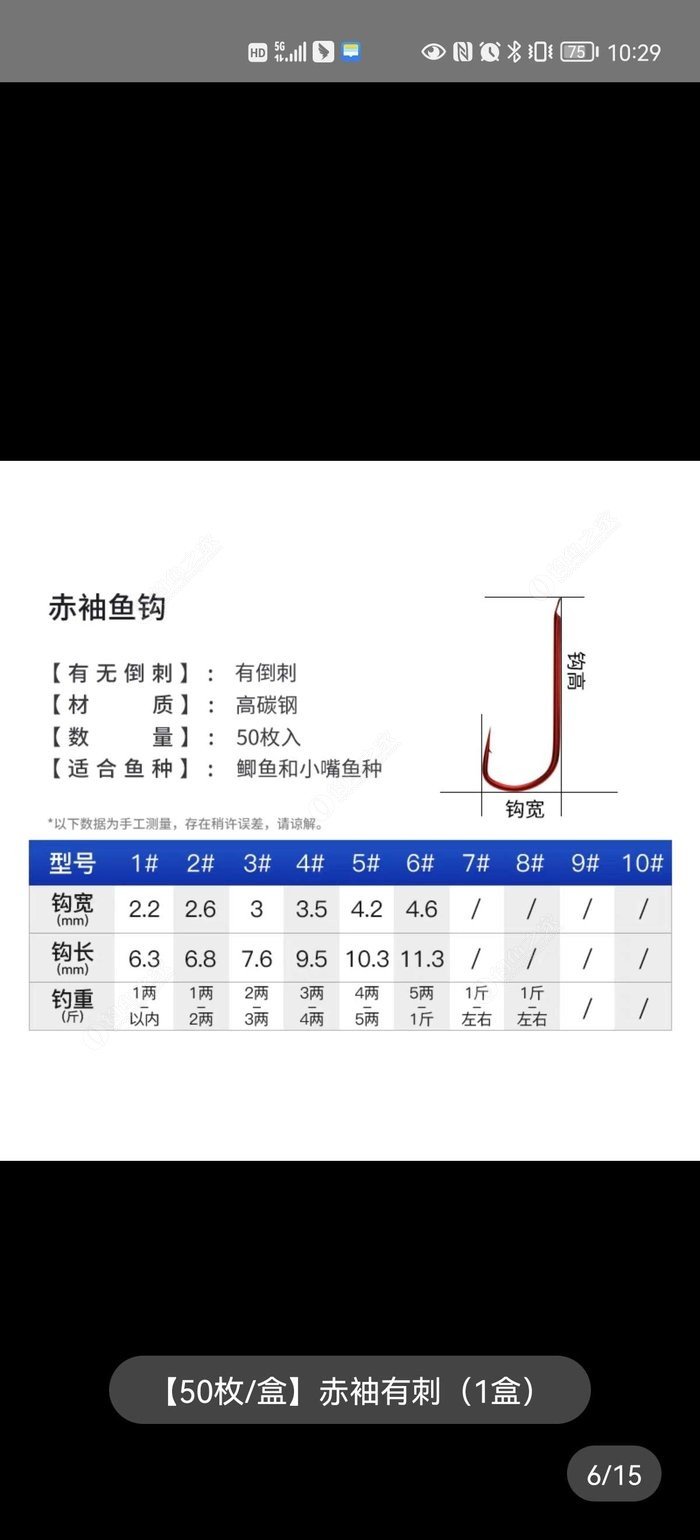
- Hooks: Red Barbless Hooks – Fall and winter here call for scent-rich, reddish bait (think worm or shrimp paste), so matching the hook color to the bait makes it way less noticeable. Barbless also means easier releases if I’m not keeping everything.
Float: The Secret Weapon for Precision
I swear by a 1.23g float with 2-eye bold tip. The bold tip is super easy to see, even in low light (which is most of my fishing time—evening and night). It’s sensitive enough to pick up the tiniest nibbles, but not so twitchy that it’s just showing water movement.
Leaders & Rod: Short = Responsive
- Leader Lengths: 8cm (short) / 12cm (long) – I keep both spooled up, but most days I go with the 8cm. Shorter leaders mean the hook reacts faster to float movements—no lag, which is critical for line-shy fish that hit and run instantly.
- Rod: 3.6m 28-tone Crucian Carp Rod – 28-tone means it’s soft enough to absorb sudden runs (so the tiny line doesn’t snap) but stiff enough to set the hook fast. Perfect for close-quarters canal fishing.

The Float Adjustment Magic: It’s All About Reading the Water
Here’s where most guys mess up: they stick to one setup, no matter what. But with these skittish crucians? You’ve got to feel the water. Let’s talk about my go-to adjustments.
Base Calibration: No Hooks = 4 Eyes
I start with a no-hook calibration: cast the float alone, adjust the weight until it sits at 4 eyes (the bold tips). Then I add the leader—now the float drops to 1 eye. Add the bait? The float disappears completely. That tells me two things:
- Bait is heavy enough to sink fast but not so heavy it pulls the hook out of the fish’s mouth.
- 1 eye is the most sensitive setting for bait—any less and the float’s under water, any more and you’re missing nibbles.
When “More Sensitive” Isn’t Better
Here’s the mistake everyone makes: “if fish are biting light, go super sensitive.” But that’s not always true. Let’s say I set the float to 1 or 2 eyes (sensitive):
- The float twitches like crazy—every little water movement, every tiny fish brush. But when you get a real bite? It’s a quick dip, you set the hook, and either:
- The fish comes up… then falls off right at your feet (because the hook only barely hooked the lip).
- You miss entirely (because the sensitive setting is picking up fake nibbles).
So I switched it up: set the float to 3.5 eyes. Game changer. Now the float stays still until a real fish takes the bait. The bites? Slow, steady movements:
- A half-eye lift, then two eyes slowly sink… set the hook – 9 out of 10 times it’s a solid hookset (usually right in the roof of the mouth).
- A half-eye dip… set the hook – another solid catch.
Why? Because at 3.5 eyes, the hooks are just touching the bottom (not lying flat). So when a fish takes the bait, it has to pull the float more to move it—no fake nibbles. And the hook is in the perfect position to set deep when you react.
Reading the Fish: What These Canal Crucians Teach Us
Let’s recap what I’ve learned from these tricky little fish—because it’s not just about gear, it’s about listening to the water.
1. Tiny = Tough
These crucians are mostly under an ounce, but they’re smart. Standard 1.2 or 1.5lb mainline? Way too thick—they see it and bolt. My 0.8+0.4 setup? It’s almost invisible. And the short leaders? They don’t give the fish time to think “wait, that’s a hook.”
2. “Light Bite” Doesn’t Mean “Super Sensitive”
I used to think “if fish are biting light, go as sensitive as possible.” But these guys proved me wrong. Sometimes, a little more “slack” (3.5 eyes vs 1 eye) filters out the noise and lets you only react to real bites. It’s counterintuitive, but it works.
3. Adapt or Leave
Fall and winter here are brutal. Sometimes you’ll sit for an hour, no movement. No bites, no twitches, nothing. What do you do? You’ve got two choices:
- Pack up and go home (boring).
- Change something. What? Next time I’ll break down my go-to adjustments—bait, float, even spot. But for now, remember: stagnation = no fish.

My Recent Catches: Proof It Works
Let’s not just talk—let’s show. Here’s what I’ve landed in the last month, all with this setup:
- Oct 19, 2024 (9:23PM – 11:56PM): 7 crucian carp, 1 one-eyed silver perch, 1 tiny carp (released the carp—too small).
- Oct 17, 2024 (9:30PM – 12:12AM): 20 crucian carp (most under an ounce, but a few nice ones).
- Oct 11, 2024 (7:30PM – 9:30PM): 1 whopper crucian carp—7 or 8 ounces (that’s a big one for this canal!).
And the best part? I’m not stressing. I used to chase every twitch, get frustrated when I missed. Now? I sit back, watch the float, and only react when it moves in that slow, steady way. It’s not about quantity (though I get that too) – it’s about the connection. That split second when you know the fish is on, the line tugs just right, and you reel it in. That’s the magic.
Last week, I was sitting there, and this old guy walked up—one of the ones who’d come when I had the 68-catch day. He said, “I tried everything, but I couldn’t catch anything.” I showed him my setup, explained the float adjustment, and told him to watch for the slow movements. Next day? He texted me a photo of 5 crucian carp. Made my night. That’s what this is about—sharing the tricks, not hoarding them.
So if you’re fishing a spot with line-shy, tiny fish? Don’t just copy what everyone else is doing. Try going tiny on line and hooks, play with your float settings (even if it feels counterintuitive), and read the water. You might be surprised what you catch.
Next time, I’ll break down exactly what to change when the fish stop biting—bait swaps, float moves, even spot shifts. Until then, tight lines!