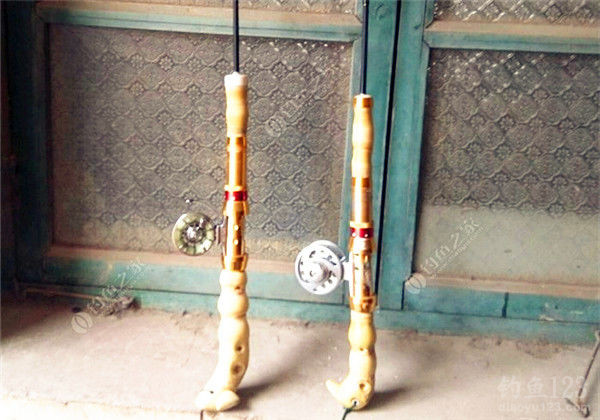
DIY Bamboo Fishing Rod: A Step-by-Step Guide for Anglers Who Love Traditional Craftsmanship
Let’s get real—fishing these days feels like a race to the top of the gear pyramid. Carbon fiber rods that cost more than my monthly grocery bill? High-tech reels with more buttons than my smartphone? Don’t get me wrong, I love modern gear, but sometimes I miss the days when fishing was less about the equipment and more about the experience. That’s why I decided to dust off my old bamboo rod skills and go back to basics. Spoiler: It’s not as easy as it looks, but it’s way more satisfying than buying a pre-made rod. Let’s dive in!
Why Bamboo? Let’s Be Honest About the Pros (and Cons)
First off, let’s clear the air: Bamboo rods aren’t going to outperform your $500 carbon fiber rod. They’re heavier, less stiff, and let’s be real—they look a little old-school. But hear me out. There’s something magical about casting a rod you made with your own two hands. Plus, bamboo is everywhere if you know where to look (shoutout to my local bamboo grove!). And let’s not forget the nostalgia factor. Back in the 80s, bamboo rods were everywhere—now they’re more like a collector’s item. So why bother?
The Good, the Bad, and the Ugly of Bamboo Rods
- Pros:
- Super satisfying to make (you’ll feel like a fishing legend)
- Cheaper than high-end carbon rods (hello, free bamboo!)
- Great for slow, methodical fishing (perfect for catching big bass or trout)
- Unique—no one else at the lake will have a rod like yours
- Cons:
- Heavier than carbon fiber (your arm might get tired after a few hours)
- Less stiff (not great for casting long distances)
- Takes time to make (patience is key here)
- Prone to warping if not dried properly (don’t skip the drying step!)
Is bamboo the best choice for every angler? Probably not. But if you’re looking for a fun project, a way to connect with fishing’s roots, or just something to brag about to your fishing buddies, keep reading.
Step 1: Choosing the Right Bamboo (This Is Make or Break)
Let’s cut to the chase: If you pick the wrong bamboo, your rod will be garbage. I learned this the hard way. My first attempt used a young bamboo stalk that warped within a week. Total waste of time. So what’s the secret?
Types of Bamboo to Look For
Not all bamboo is created equal. Here are the ones I’ve tested (and the ones to avoid):
- Golden Bamboo (Phyllostachys aurea): My go-to. It’s strong, flexible, and easy to find. Perfect for beginners.
- Black Bamboo (Phyllostachys nigra): Looks cool (black stalks!) but can be brittle. Stick to younger stalks if you use this.
- Arrow Bamboo (Pseudosasa japonica): Super strong, but harder to work with. Great for advanced DIYers.
- Avoid: Thin, flimsy bamboo (like the kind used for garden stakes) and bamboo with lots of knots. Knots = weak spots.
How to Pick the Perfect Stalk
When you’re out hunting for bamboo, keep these rules in mind:
- Look for stalks that are 1-2 years old (young enough to be flexible, old enough to be strong).
- Choose stalks that are straight (no bends or warps—unless you want a curved rod, which is weird).
- Check the nodes (the bumpy parts). Nodes should be evenly spaced and not too close together.
- Give the stalk a gentle bend. It should flex but not break. If it snaps easily, move on.

Pro tip: Ask a local gardener or bamboo farmer if you can harvest a stalk. Most people are happy to get rid of excess bamboo (it grows like a weed!). Just don’t steal it—rude.
Step 2: Prepping the Bamboo (Dry It, Don’t Fry It)
Okay, you’ve got your bamboo stalk. Now what? Before you start carving, you need to dry it. I can’t stress this enough—if you skip drying, your rod will warp, split, or just fall apart. Trust me, I’ve been there.
Drying 101: How to Do It Right
Here’s my foolproof drying method:
- Cut the bamboo into 6-8 foot sections (the length of your rod).
- Remove the leaves and branches (use a sharp knife or pruning shears).
- Stand the bamboo upright in a cool, dry place (like a garage or shed).
- Let it dry for 3-6 months. Yes, months. I know, it’s a long time, but patience pays off.
How do you know when it’s dry? The bamboo will turn a lighter color, and the nodes will feel hard (not soft or squishy). If you’re unsure, tap the stalk—dry bamboo sounds hollow and crisp. Wet bamboo sounds dull.
Why Drying Is Non-Negotiable
Fresh bamboo has a lot of moisture. When you dry it, the moisture evaporates, and the bamboo becomes stronger and more stable. If you try to make a rod with wet bamboo, it will warp as it dries, and all your hard work will go to waste. Trust me—wait the 6 months. It’s worth it.
Step 3: Carving the Rod (This Is Where the Magic Happens)
Okay, your bamboo is dry. Now it’s time to turn it into a fishing rod. This is the fun part (and the most challenging). Let’s break it down.
Tools You’ll Need
Before you start, gather these tools:
- Sharp knife (a utility knife or pocket knife works)
- Sandpaper (80 grit, 120 grit, and 220 grit)
- Straight edge (to keep your cuts straight)
- Drill (with a small bit for the eyelets)
- Epoxy (to attach the eyelets)
- Fishing line (for the guides)
- Rod blank (optional, but helpful for beginners)
Step-by-Step Carving Guide
Let’s start with the basics:
- Cut the bamboo to length: Decide how long you want your rod (I usually go for 6-7 feet). Use a saw or sharp knife to cut it to size.
- Shape the rod: Use a knife to remove the outer layer of bamboo (the green skin). Be careful—bamboo is sharp! Then, use sandpaper to smooth the rod until it’s round and even. Start with 80 grit, then move to 120 grit, then 220 grit. The rod should feel smooth to the touch, no rough spots.
- Add the eyelets: These are the small rings that guide the fishing line. Drill small holes along the rod (about 6-8 inches apart). Then, attach the eyelets with epoxy. Make sure they’re straight—if they’re crooked, your line will get tangled.
- Attach the reel seat: The reel seat is where your fishing reel goes. You can buy a pre-made reel seat or make your own (I usually buy one—it’s easier). Glue it to the bottom of the rod with epoxy.
- Finish the rod: Use sandpaper to smooth any rough edges. Then, apply a coat of clear epoxy or varnish to protect the bamboo from water damage. Let it dry for 24 hours.

Pro tip: If you’re a beginner, start with a short rod (5-6 feet). Longer rods are harder to shape and more likely to break.
Step 4: Testing Your Rod (Don’t Skip This!)
Okay, your rod is done. Now it’s time to test it. Grab your reel, some line, and head to the lake. Here’s what to look for:
- Flex: When you cast, the rod should flex at the tip (not the middle or bottom). If it flexes too much, it’s too weak. If it doesn’t flex at all, it’s too stiff.
- Balance: The rod should feel balanced in your hand. If it’s heavy at the tip, add a little weight to the reel seat (I use a small lead weight).
- Strength: Try casting a heavy lure (like a 1/2 ounce spinnerbait). The rod should hold up without bending too much or breaking.
My first rod broke on the third cast. Ouch. But after adjusting the thickness and adding more epoxy, my second rod worked like a charm. It’s all about trial and error.
Final Thoughts: Is DIY Bamboo Rod Worth It?
Let’s be honest—making a bamboo rod takes time, patience, and a little bit of skill. But is it worth it? Absolutely. There’s nothing like catching a fish with a rod you made yourself. Plus, it’s a great way to slow down and enjoy the process of fishing, not just the end result.

So if you’re tired of the same old fishing gear, give bamboo a try. You might just find that the best fishing rods aren’t the ones you buy—they’re the ones you make.
Oh, and one last thing: Don’t forget to take pictures! Your fishing buddies will never believe you made that rod. Happy fishing!