How to Catch Walking Catfish (Clarias) in Summer: Best Baits, Tackle, and Night Fishing Tips
Let’s be real—if you’ve ever fished freshwater spots like ponds, rivers, or lakes in summer, you’ve probably crossed paths with walking catfish (or Clarias, as they’re scientifically known). These guys are sneaky, nocturnal, and have a serious appetite for meat. But here’s the thing: most anglers mess up their approach because they don’t know their habits. I’ve spent way too many summer nights chasing these slippery creatures, so trust me when I say this guide will save you from wasting time (and losing tackle).
First off, let’s get one thing straight: walking catfish hate light. Like, hate it. So if you’re planning to cast during the day? Good luck. They’ll be hiding under logs, in deep mud, or any dark crevice they can find. Nighttime is when they come out to play—think 8 PM to 4 AM. That’s non-negotiable. Now, let’s break down everything you need to know to reel in these bad boys this summer.
1. Tackle Setup: Don’t Skimp on the Heavy-Duty Stuff
Walking catfish are tough. They’ve got tough lips, sharp teeth, and can put up a fight that’ll make your arms burn. So your tackle needs to keep up. I’ve learned this the hard way—lost more than one rod to a big one that snapped my line. Here’s what works for me:
Rod, Reel, and Line
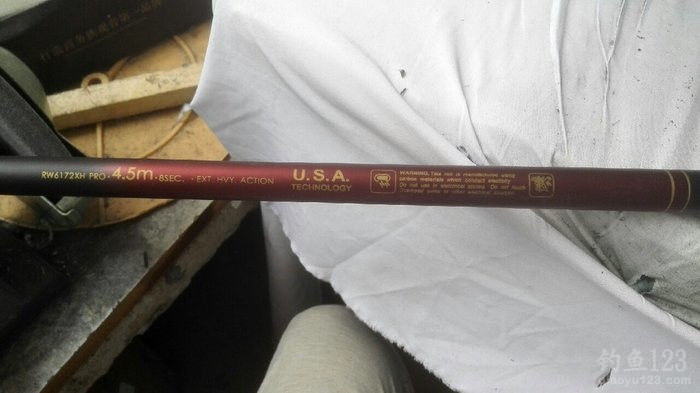
- Rod: Go for a 1.5–2.0m hard-tip sea rod. Why? Because you’ll be casting heavy baits (more on that later) and need the power to yank a big catfish out of thick cover. A soft rod will just bend too much and let the fish escape.
- Reel: A spool-type hand reel (the kind with fork teeth) is perfect. It holds a ton of line and lets you reel in smoothly when a catfish takes off. Trust me, you don’t want a cheap spinning reel here—it’ll jam under pressure.
- Line: Diameter 0.25–0.4mm, 50–200m long. I use braided line because it’s strong and doesn’t stretch (great for feeling bites). Monofilament works too, but braid is better for heavy cover.
Hook, Sinker, and Rig
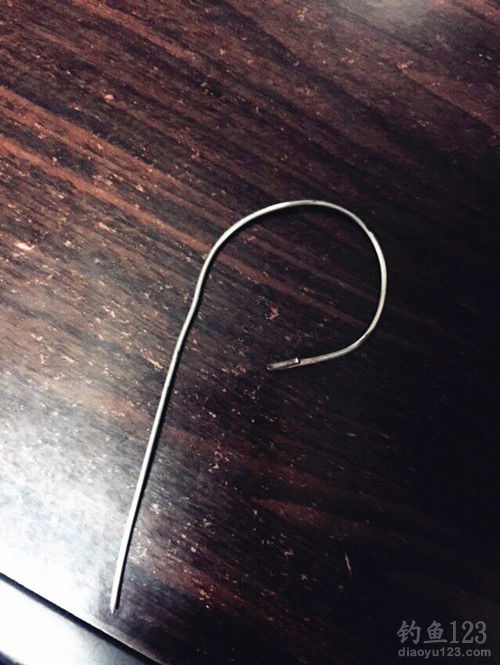
- Hook: 12–20 size, sharp as a needle. These catfish have thick lips, so a small hook will just bounce off. I prefer J-hooks with a sharp point—they penetrate way better than circle hooks here.
- Sinker: 20–50g sliding sinker (also called a “running sinker”). Why sliding? Because it lets the fish take the bait without feeling the weight immediately. Tie a small knot with medical tape 20–30cm above the hook to stop the sinker from sliding down to the hook. That way, the sinker stays up, and the bait moves naturally.
- Rig: Super simple—line through the sinker, tie a knot to stop the sinker, then tie the hook. No swivels, no fancy stuff. Keep it clean so the catfish don’t get spooked.
Other Must-Haves
- Rod holder: Needs to keep the rod horizontal or the tip slightly down, with the reel facing up. This lets you see when the reel starts spinning (more on bites later).
- Needle-nose pliers: NON-NEGOTIABLE. These catfish have sharp teeth (like tiny razors) and tough lips. You can’t just pull the hook out with your fingers—you’ll get bit. Pliers let you grip the hook and yank it out safely.
- Flashlight/headlamp: Bright enough to see your reel, but with a red filter (red light doesn’t scare fish). Don’t shine it on the water—you’ll send every catfish in the area hiding.

2. Bait Recipes: What Actually Attracts Walking Catfish?
Walking catfish are strictly carnivores. They eat small fish, frogs, insects, and even dead animals that fall into the water. So forget about bread, corn, or any plant-based bait—they won’t touch it. Here are the baits that have worked for me (and the ones I swear by):
Top Baits for Summer Night Fishing
- Chicken liver/duck liver/goat liver: Super stinky, super effective. These baits release a strong scent that travels far in the water. Just hook a small piece (about the size of your thumb) and cast. Pro tip: Freeze the liver first— it’s easier to hook and stays on longer.
- Small fish (minnows, guppies): Hook through the lips or back. The movement in the water drives catfish crazy. Great for targeting bigger ones.
- Nightcrawlers (big ones): Hook 2–3 nightcrawlers on the hook (thread them on so they’re wiggly). They’re easy to find and work for smaller catfish too.
- Green caterpillars (my favorite!): These are killer for walking catfish. I’ve caught more big ones with caterpillars than any other bait. Here’s how to use them:
How to Use Green Caterpillars (Step-by-Step)
First, find the right caterpillars. Look on sweet potato leaves, taro leaves, or ornamental plants. You’ll know you’re in the right spot if you see little black droppings (frass) or chewed leaves. Pick caterpillars that are 50–80mm long and 6–10mm thick—bigger = better.
Before hooking, kill the caterpillar (I know, it sounds gross, but hear me out). If you hook a live one, it’ll wiggle too much, and its body fluids will leak out—making it smaller and less attractive. Just squeeze its head gently or put it in the freezer for 5 minutes (quick and painless).
Now, hook it:
- Start at the caterpillar’s head (the end with the little legs).
- Push the hook through 3–4 of its legs, then slide it to the middle.
- Push the hook through the caterpillar’s body sideways, making sure the barb comes out the other side. This keeps the caterpillar on the hook even when a catfish pulls.
Don’t overcrowd the hook—one caterpillar per hook is enough. If it’s small, you can use two, but make sure the hook point is exposed. A hidden hook won’t catch anything.
3. Night Fishing Tips: How to Outsmart Walking Catfish
Okay, you’ve got your tackle and bait—now what? Here’s how to set up your spot and actually catch fish:
Step 1: Scout Your Spot Before Dark
Arrive at least 30 minutes before sunset. Look for calm water (catfish hate fast currents) in ponds, lakes, or slow-moving rivers. Check for signs of catfish: bubbles (they breathe air), mud stirred up on the bottom, or fish jumping at dusk. Avoid areas with lots of people—noise scares them away.
Step 2: Set Up Your Rods (Fan Cast)
Cast 3–5 rods in a fan shape (left, center, right) at different distances (5–20m from shore). Some catfish will be close to shore, others further out. I’ve caught big ones just 5m from the bank—don’t assume you need to cast far!
After casting, tighten the line so it’s straight, then put the rod in the holder. The reel should be able to spin freely—this is how you’ll know when a catfish bites (more on that next).
Step 3: Watch the Reel (That’s Your Bite Indicator)
Here’s the thing: walking catfish don’t “nibble” like other fish. They grab the bait and run. So you won’t feel a tap—you’ll see the reel spinning. Common reel movements:
- Fast, steady spinning (a big catfish taking off)
- Slow, constant spinning (a smaller one)
- Spin a few times, stop, then spin again (the catfish is testing the bait)
No matter what, wait for the reel to spin 3–5 times, then strike. To strike:
- Put your hand on the reel to stop it from spinning (this sets the hook).
- Lift the rod straight up—hard. This drives the hook into the catfish’s tough lip.
If you feel weight, you’ve got a fish! If not, re-bait and cast again.
Step 4: Fight the Fish (Don’t Let It Win)
Walking catfish are strong—they’ll try to swim into logs, weeds, or under the bank to break your line. Here’s how to fight them:
- Keep the rod tip up—don’t let it dip below the water.
- Reel in slowly, but apply steady pressure. Don’t jerk the rod—you’ll break the line.
- If it’s a big one (over 1kg), let it run a little (let the reel spin) then reel in. This tires it out.
Once it’s close to shore, use a net to scoop it up—don’t try to grab it with your hands (sharp teeth!).
4. Safety First: Don’t Be a Dummy
Night fishing is fun, but it’s easy to get hurt. Here are my safety rules (learned from mistakes):
- Never fish alone: If you fall in or get hurt, someone needs to help you. Plus, it’s more fun with a friend!
- Check your gear before you go: Make sure your rod, reel, and line are in good shape. A broken rod at 2 AM is the worst.
- Bring bug spray and first aid: Mosquitoes will eat you alive, and you’ll probably get a hook in your finger (or a catfish bite). Be prepared.
- Respect the area: Don’t trample crops, litter, or disturb wildlife. Leave the spot cleaner than you found it.
Last summer, I went fishing with my buddy Jake. We set up 4 rods, and at 1 AM, one of the reels started spinning like crazy. Jake grabbed the rod, but he forgot to stop the reel first— the line snapped, and we lost a huge catfish (probably 2kg). We laughed about it, but it was a good reminder: always follow the rules, even when you’re excited.
Another time, I was using chicken liver, and a catfish bit the bait so hard that the hook went through its mouth and into its gills. I tried to pull it out with my fingers, and it bit me—my thumb had a tiny cut for days. That’s when I started carrying pliers everywhere. Trust me, don’t skip the pliers.
So there you have it—everything I’ve learned about catching walking catfish in summer. It’s not rocket science, but it takes patience and the right gear. Next time you’re bored on a summer night, grab your tackle, head to the water, and give it a shot. Just don’t forget the pliers!