How to Catch Bream in Late Spring: Tips from a Seasoned Angler
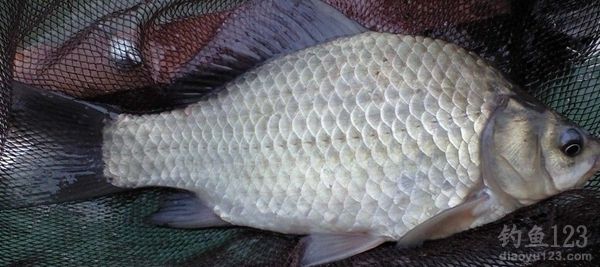
Let’s be real—most casual anglers don’t target specific fish species when they hit the water. I get it! Spending too much time chasing one type of fish can feel like a waste, and let’s not even mention the “skunking” (aka going home empty-handed). But me? I’m a sucker for hard-fighting, voracious eaters. In the wild, grass carp are top of the “eat like there’s no tomorrow” list, but bream? They’re a close second. And here’s the thing: everyone talks about grass carp tactics, but bream? Total underdog. Hardly anyone knows how to target them properly. That’s why I’m spilling my late-spring bream secrets—years of trial and error, all for you!
Why Late Spring Is Bream Gold
First off, let’s set the scene: late spring (or “late spring” if you’re fancy) is when bream go crazy. The water warms up, the sun’s out more, and those little guys are on the move—looking for food, hanging in groups, and basically turning lakes into their personal buffets. But here’s the catch: they don’t stick around long. One minute your spot’s a bream party, the next? Nada. So timing is everything. To nail this, you’ve got to think about weather, spots, bait, tackle, and technique. Let’s break it down.
Weather: When to Hit the Water
Forget overcast days or sudden cold snaps—bream love consistent sun. A string of sunny days? That’s when they’re most active. Their metabolism kicks into high gear, so they’re roaming far and wide for food. Also, wind? Pay attention! I’ve learned the hard way that downwind spots are bream magnets. Why? Because the wind pushes food (insects, plant bits) to the downwind side, and bream follow the snacks. Duh, right? So if it’s blowing from the north, set up on the south shore. Game changer.
Spotting the Perfect Bream Hangout
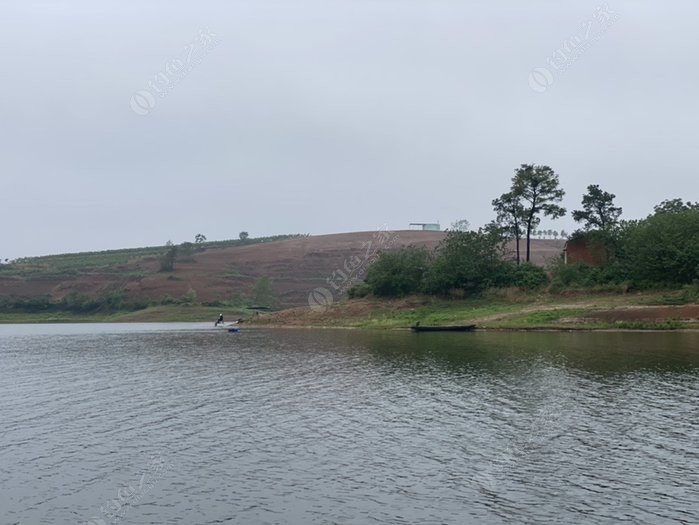
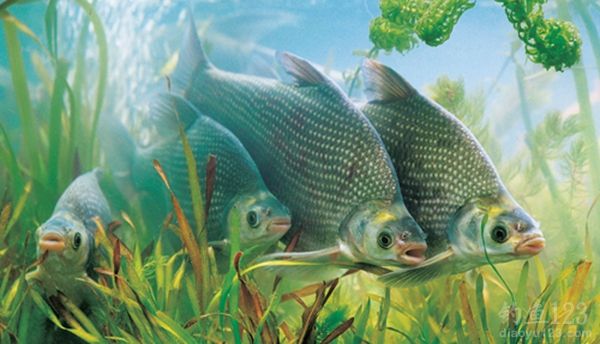
Bream are creatures of habit. They love to school up and migrate along shorelines—usually counterclockwise, weirdly enough. So look for backwaters or coves (those calm, curved spots where the water slows down). That’s where they stop to munch. And here’s a pro tip: if you find bream in a spot one day, mark it! They’ll come back—usually 10 days or so later, depending on how big the lake is. I’ve got a little notebook with my “bream hotspots” and it’s never let me down.
But wait—what about lakes with tons of small, annoying fish (aka “minnows” or “shiners”)? You’ve got to be quiet. Like, library quiet. Bream have super sharp hearing and eyesight. If you scare the leader of the school (the “head bream”), the whole group bolts and won’t come back for hours. So no loud music, no running, no slamming your tackle box. Just calm, patient angling.
For bigger lakes or reservoirs where food is scarce? Go for flat, hard-bottom areas with water 2–3 meters deep. That’s where bream cluster—they like the stability of hard ground and the depth keeps them safe from predators.
Bait: The Good (and Bad) News
Okay, let’s talk bait. I’ve tested so many recipes, and here’s the truth: bran + distillers’ dried grains is the best for attracting bream. But wait—there’s a catch. It also attracts every tiny fish in the lake. Annoying, right? But here’s the silver lining: those tiny fish actually spread the bait’s smell faster. So even if you’ve got a minnow frenzy, stick with it. In 3–4 hours, bream from 50–100 meters away will catch the scent and show up. Magic!
But here’s the thing: what works for chum doesn’t work for bait. Bran and distillers’ grains? Great for luring, but bream won’t bite them as hook bait. Total bummer, but I figured it out: fresh green corn is the real deal. Bream go nuts for it. And here’s a trick: peel the corn before putting it on the hook. The sweet, milky juice oozes out, and the smell is impossible for bream to resist. I’ve caught 10+ bream in an hour with this—no joke.
Tackle: Long Rods = Happy Bream
Bream are skittish. So forget your 6-foot rod—you need a 13-foot+ rod. Why? Because it keeps you far enough from the shore to avoid scaring them, and it lets you cast right into their migration paths. Also, when you hook a bream? You need to get it out of the school fast. Long rods let you yank the fish out of the water without making a huge splash (which scares the rest of the group). I once had a bream fight me for 2 minutes, and my 14-foot rod let me pull it in without spooking the 20+ bream still in the spot. Total win.

My Go-To Late Spring Bream Routine
Let me walk you through my perfect late-spring bream day. First, I check the forecast: 3+ sunny days in a row? Yes. Wind direction? Downwind spot is a go. Then, I hit my favorite cove (marked in my notebook from last year). I set up my 14-foot rod, mix up a big batch of bran + distillers’ grains, and chum the spot heavy. I know the minnows will come, but I just wait—sipping coffee, watching the water. After 3 hours, the minnows start to calm down, and then… boom. Bream start hitting the surface. I rig up my green corn (peeled, of course), cast it in, and wait. Usually within 10 seconds, I feel a tug. Then it’s nonstop—until the school moves on. But that’s okay, because I know where they’ll be next.
Final Thoughts (No Boring Summary, Promise)
Look, bream aren’t the easiest fish to target, but once you get the hang of it? It’s so rewarding. I’ve had days where I caught 20+ bream, and days where I got skunked (we’ve all been there). But that’s fishing, right? The key is to pay attention—watch the weather, learn their habits, and don’t give up when the minnows are being jerks. And hey, if you try my green corn trick? Let me know how it goes. I’m always curious to hear about other anglers’ bream wins (or fails—we’re all in this together).