Why Fish Stop Biting Suddenly? Every Angler Should Know These Common Scenarios
Let’s be real—nothing kills a fishing trip faster than that dreaded moment when the fish just stop biting. You’re out there, rod in hand, sun on your face, and then… silence. No taps, no tugs, no nothing. I’ve been there more times than I can count, staring at my float like it owes me money, thinking, “Did I do something wrong? Is the lake cursed today?”
First off, let’s clarify: we’re talking about *true* no-bite scenarios here. This isn’t just you missing a few casts or using the wrong lure. We mean when the whole lake goes quiet—you, your buddy, the guy in the next boat—everyone’s catching zilch, even though you know there are fish in the water. That’s the gut punch we’re dissecting today. And trust me, I’ve spent hours (okay, *too many hours*) sitting through these lulls, so I’ve got some real-deal insights to share.

The Big Question: Why Do Fish Suddenly Stop Biting?
It’s not just “fish being fish.” There are usually specific triggers. Let’s break ’em down—no fancy jargon, just what I’ve seen firsthand.
1. Weather & Barometric Pressure Shifts: Nature’s Mood Swings
Let’s start with the most obvious culprit: the sky. Fish are *super* sensitive to changes in temperature and pressure. One minute it’s 75°F with a light breeze, perfect for bass cruising the shallows. The next? A sudden cold front rolls in, dropping temps 20 degrees in an hour. Or a summer heatwave hits, turning the surface water into a hot tub. Either way, fish go into “survival mode” and stop eating.
Barometric pressure is another big one. When the pressure drops (think: before a storm), fish often stop feeding. I remember a trip last spring where we were slamming bluegill left and right—until a dark cloud rolled in. Within 10 minutes, the bites vanished. We packed up just as it started raining, and sure enough, the pressure had plummeted 0.3 inches that hour. Coincidence? I think not.
2. Water Oxygen Levels: The Silent Killer of Bites
Oxygen is fish breath, duh. But when levels drop too low? They can’t be bothered to eat. This is *super* common in small ponds or shallow lakes, especially in summer.
Last July, I fished a tiny neighborhood pond I usually crush. The water was murky, and I noticed minnows darting to the surface, gasping. I cast my worm 10 times—nothing. A local angler told me the pond had been stagnant for weeks, and the oxygen was so low, even the big bass were hiding in the deepest holes, not feeding. Sure enough, I checked a water test kit later (yes, I’m that nerd) and the oxygen levels were way below the “safe” range for feeding.
3. Water Pollution: When the Lake Gets Toxic
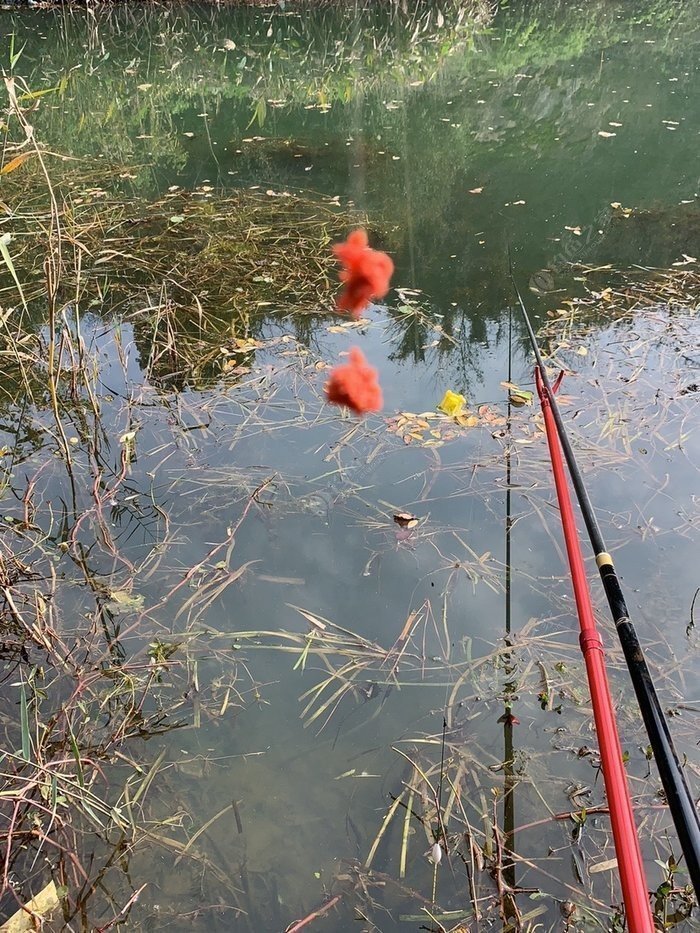
This one makes my blood boil. If the water’s suddenly cloudy, has a weird smell (like chemicals or sewage), or there’s foam on the surface? Fish are either gone, dead, or too stressed to eat.
I once fished a river that had a weird metallic taste the day before. The next day, there were dead minnows floating near the bank, and not a single bite. Turns out a factory had dumped waste into the upstream section overnight. It took months for the fish to come back. If you see any signs of pollution—*leave*. It’s not worth it, and you don’t want to eat fish from contaminated water anyway.
4. Human Disturbance & Timing: You’re Either Too Loud or Too Late
Fish are skittish, and we’re the worst at being quiet. Let’s break this into two parts:
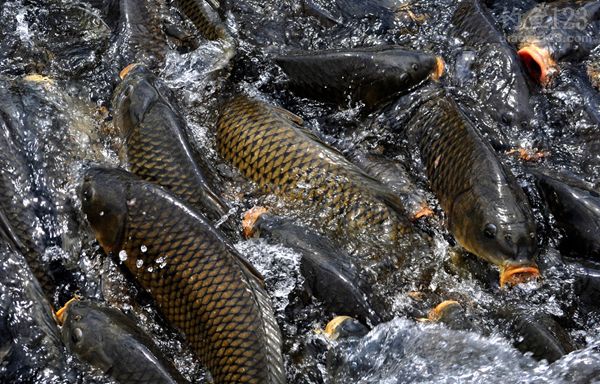
- Noise & Activity: Have you ever had a perfect spot, then a jet ski zooms by, or a group of kids start yelling on the bank? Game over. Fish bolt for cover. I once watched a school of carp scatter like they’d seen a ghost when a guy dropped his cooler off a dock. No bites for the next hour.
- Wrong Time of Day: Fish are creatures of habit. Bass don’t feed at noon in July—they’re hiding in deep shade. Trout don’t bite at dawn in winter—they wait for the sun to warm the water. I learned this the hard way: I fished a trout stream at 7 AM in January, froze my butt off, and caught nothing. When I came back at 1 PM, the sun was out, and I landed three brown trout in 20 minutes. Timing is everything.
5. Illegal Fishing: The Scourge of Every Angler
This one makes me so mad I could scream. I’m talking about electrofishing—those losers who zaps fish with electricity, killing half and stunning the rest. If someone’s done this in your spot? Kiss your bite goodbye for *weeks*.
Last summer, I hit my go-to lake for catfish. Normally, I’d catch 5+ channel cats in a day. But that day? Nada. A local told me some guys had electrofished the cove I was fishing the night before. I saw a few dead bass floating, and the catfish were either gone or too traumatized to eat. It’s illegal, it’s selfish, and it ruins spots for everyone. If you see it, *report it* to game wardens immediately. Don’t be a bystander.
My Quick Trick to Test If Fish Are Actually Biting
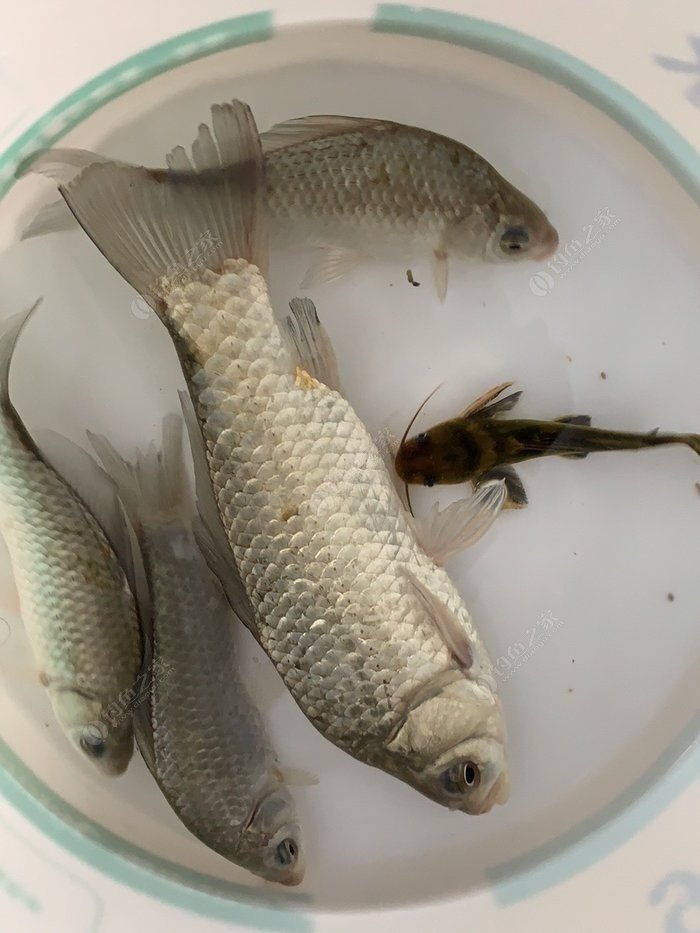
Before you pack up and call it a day, try this little hack I swear by. Grab a tiny piece of your bait (or even a breadcrumb if you’re in a pinch) and toss it near your spot. If minnows or small sunfish swarm it? Great—fish are feeding, you just need to adjust your lure/bait. If nothing touches it? Then it’s a true no-bite day, and you can head home without feeling guilty.
I used this last month at a lake where I couldn’t get a bite. Tossed a worm chunk, and no minnows came. Sure enough, the barometer had dropped, and the whole lake was dead. Saved me from wasting another 2 hours freezing my toes off.
Final Thought: Love the Spot, Protect the Spot
At the end of the day, fishing is about having fun, not just catching fish. But if you want to avoid those brutal no-bite days, keep these triggers in mind. And remember: we’re all stewards of the water. Don’t litter, don’t overfish, and *definitely* don’t let electrofishers get away with it. The lakes and rivers give us so much—we owe it to them to keep ’em healthy.
Next time you’re out and the bites stop? Take a breath, look around, and check for these signs. Maybe it’s just a weather shift, or maybe you need to move to a deeper spot. Either way, don’t let it ruin your day. Sometimes the best fishing trips are the ones where you just enjoy the quiet (even if you catch nothing).
Happy fishing, and may your lines always be tight!