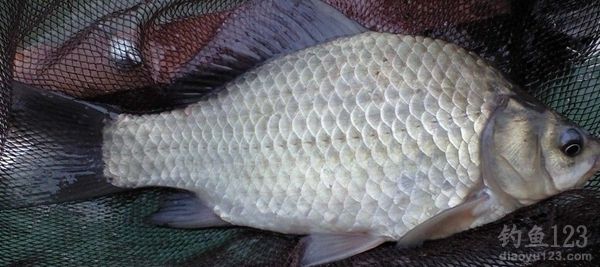
Secrets and Tips for Catching Wild Large Crucian Carp
Let’s be real—wild crucian carp are like the unicorns of freshwater fishing these days. Thanks to water pollution, overuse of fertilizers and pesticides, and way too much overfishing, these guys are getting harder and harder to find. I’ve seen ’em at the market—500 grams (that’s over 11 pounds!) of wild crucian cost way more than farmed ones, and half the time they’re sold out before you even get there. Landing one? Total bragging rights. But here’s the thing: it’s not impossible. Pick the right spot, use the right tricks, and you might just reel in that trophy. Let’s dive into my go-to secrets.

Choosing the Right Fishing Spot Is Make-or-Break
First off—not every water body has wild crucian. Don’t waste your time at random ponds. Let’s break down where to look:
Ponds That Actually Have Wild Crucian
Most farmed ponds? Forget it. The owners only stock fast-growing fish like carp, grass carp, or silver carp—they don’t bother with crucian because they’re small and slow to mature. But there’s one exception: shared ponds or ones with multiple owners. Since no single person is in charge, they rarely stock crucian fry. So the crucian there are natural spawners—aka wild. Just make sure it’s not a private pond you’re not allowed to fish in. Ask around first! I’ve made that mistake before—landed a nice one, then got chased by a guy with a pitchfork. Not fun.
Wild Ponds (The Hidden Gems)
Now, wild ponds are tricky. You can’t just spot one and cast—you gotta read the signs. Here’s what to look for:
- Bad signs: Overgrown banks with no paths, super shallow clear water (you can see the bottom with no movement), and no signs of human activity. These places are usually fishless.
- Good signs: Ponds in hills or terraces with deeper water, smooth spots on the bank (from people sitting), broken branches (from anglers), or cigarette butts/stones on the ground. If you see these? Test it out for 30 minutes. I once found a tiny pond like this and pulled out 3 wild crucian over 40 grams each. Total surprise!
Reservoirs: The Best Spot for Wild Crucian
Reservoirs are my absolute favorite. Why? Because managers almost never stock crucian fry—they focus on big, fast-growing fish. So any crucian in there (except maybe near fish cages) is 100% wild. I’ve spent entire weekends at my local reservoir and landed some monsters. Just don’t fish near the cages—those areas are usually overfished or have farmed fish mixed in.
How to Pick the Perfect Fishing Location (Within Your Spot)
Okay, so you found a spot with wild crucian—now where to cast? Crucian have habits, and you gotta play to ’em. Here’s what works for me:
Reservoir Hotspots
- Shallow areas (1-3 meters deep)—crucian love hanging here because it’s warmer and has more food.
- Weedy spots or areas with branches/reeds—crucian hide here to avoid predators. I once cast near a cluster of reeds and pulled out a 550-gram beauty in 10 minutes.
- Water inlets—flowing water brings oxygen and food. I’ve had days where I only caught fish right at the inlet. Game-changer.
- Near livestock access—if there’s a spot where cows, pigs, or ducks go into the water, that’s a feeding ground. The critters stir up food, and crucian love it.
- Flooded crop fields (summer only)—when reservoirs rise and flood nearby fields, crucian go crazy for the seeds and bugs. I’ve caught my biggest crucian here—over 600 grams! Just be careful not to get stuck in the mud.
Pond Hotspots
If you’re fishing a pond, stick to weedy areas. For ponds near houses, cast near the house side (not the sidewalk—people walk there and scare the fish). I once fished a neighbor’s shared pond and caught 4 crucian in 2 hours just by staying near the overgrown bank by their house.
Bait: The Secret Sauce for Wild Crucian
Crucian are omnivores, but wild ones are pickier than farmed ones. Let’s split this into chum (to attract ’em) and hook bait (to get ’em to bite).
Chum (Groundbait) Tips
Reservoirs are big, so you need more chum than ponds. Here’s my method:
- Start with a wide area (2-4 square meters)—cast chum from the outside in, adding more to the center. This draws fish from all directions.
- Use strong-smelling bait—sweet or fragrant. I mix breadcrumbs, cornmeal, and a little vanilla extract. Wild crucian go nuts for that sweet scent.
Hook Bait: Go Natural (Mostly)
Wild crucian’s diet depends on the season—here’s what I use:
- Cold weather (spring, late fall, winter): Go meaty. Worms, maggots, or small shrimp work best. I once fished in 10°C (50°F) weather and only caught fish with red worms. Veggies did nothing.
- Warm weather (summer, early fall): Go veggie. Corn, bread, or homemade dough (flour + sugar + water) is perfect. Wild crucian eat lots of plants in warm water, so they’re used to it.
Store-bought bait? Be careful. Most have super strong scents that wild crucian hate. I mix a tiny bit of store-bought crucian bait into my homemade stuff—just enough to add a little extra smell without scaring ’em off. Test different brands—some work better than others.
Tackle: Keep It Simple (No Fancy Gear Needed)
You don’t need $50 rods or high-tech reels for wild crucian. Use what works for you: traditional rods, float rods, even spinning rods. I’ve caught 600-gram crucian with a cheap 3.6-meter rod and a basic reel. The key? Match your tackle to the spot. For weedy areas, use a heavier line to avoid getting stuck. For clear water, use light line so the fish don’t see it.
Fishing Methods: Mix It Up
Any method works—traditional, float, even bottom fishing. But here’s a big rule: keep it quiet. Wild crucian are super skittish. I’ve had days where I talked too loud and didn’t catch a thing. Here’s what to do:
- Cast softly—don’t splash the water.
- Reel in slowly—no jerky moves.
- Dress in neutral colors—no bright red or yellow. I wear khaki or dark green.
- No loud noises—no yelling, no slamming your tackle box.
I once made the mistake of bringing a friend who talked nonstop—we didn’t catch a single fish all day. Now I go alone or with my quiet buddy. Game-changer.
Oh, and try different methods. If float fishing isn’t working, switch to bottom fishing. If one spot is dead, move 10 meters. I’ve had days where I moved 3 times before finding the right spot. Patience is key!
Last week, I hit my favorite reservoir at dawn. I cast near a water inlet, used my homemade chum (breadcrumbs + corn + vanilla), and hooked a 580-gram wild crucian. It fought like crazy—took 10 minutes to reel in. My hands were sore, but man, that feeling? Worth every second. I released it (I like to catch and release for big ones) but took a pic to brag to my friends. They still don’t believe me.
So there you have it—my secrets for catching wild crucian. It’s not easy, but when you land that big one? Total bragging rights. Go try these tips, and let me know how it goes. Just don’t forget to be quiet—those crucian are listening!