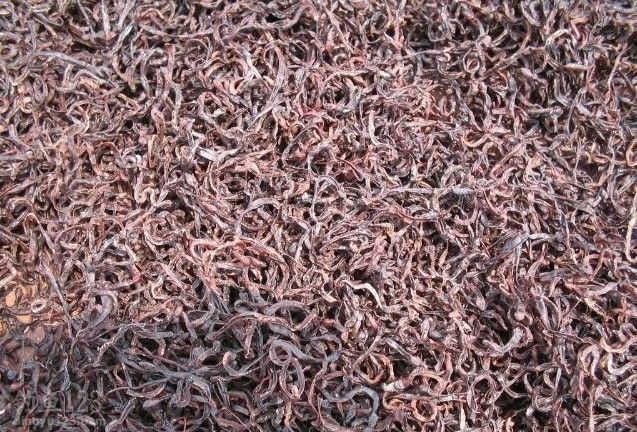
Best Worm Rigging Methods for Catching Wild Crucian Carp
Let’s be real—if you’ve ever fished for crucian carp in natural waters, you’ve probably dealt with the frustration of store-bought baits falling flat. One minute you’re reeling in tiny minnow after tiny minnow, and the next? Nada. Zilch. Not a single crucian in sight. That’s when you realize: sometimes, you’ve got to go back to basics with natural baits like worms or red wigglers. They’re like catnip for crucians—those little guys can’t resist the wiggly, earthy goodness. But here’s the thing: rigging a worm isn’t just shoving it on a hook and hoping for the best. Do it wrong, and you’ll either scare the fish away or watch your bait fall off mid-cast. Do it right, and you’ll be hauling in crucians left and right. Trust me—I’ve spent way too many weekends testing these methods, and I’m here to spill the tea on the best worm rigging tricks for wild crucian carp.

Why Worms Work for Wild Crucian Carp
First, let’s talk why worms are a game-changer. Crucians are natural bottom feeders, and worms are a staple in their diet in the wild. Unlike processed baits that might smell “off” to them, worms smell and taste like home. Plus, their wiggly movement in the water is impossible for crucians to ignore—especially in murky natural waters where visibility is low. That movement triggers their predatory instincts, making them strike faster and harder. But here’s the catch: if you rig the worm poorly, you’ll either kill it too fast (so no wiggles) or leave too much hanging (so small fish nibble it off before a crucian can get to it). That’s why mastering the right rigging methods is non-negotiable.
1. Whole Worm Rigging Methods
Whole worms are my go-to when I want maximum movement and scent. They’re perfect for slow, patient fishing where I’m waiting for a big crucian to wander by. But there are a few ways to rig them—some work better than others, depending on the day.
1.1 Classic Threading (Hook Point Exposed Only at Tail)
This is the method I use most often for crucians. Here’s how it works: Grab the worm by its head (don’t squeeze too hard—they’re squishy!) and gently push the hook point through the top of its body, just behind the head. Then, slowly thread the worm down the hook shank, like you’re sewing a button. Keep going until the hook point is only sticking out through the very end of the worm’s tail. That’s it! Why does this work? The worm’s body is mostly on the hook, so it stays secure, but the tail is free to wiggle like crazy in the water. Crucians love that twitchy movement—it looks like a natural snack, not a bait. I’ve caught some of my biggest crucians using this method—no joke, a 2-pounder last spring that fought like a champ.
1.2 Double Exposure (Head and Tail Exposed)
If I’m fishing in a spot with a little more current, I’ll switch to this method. It’s similar to the classic thread, but instead of stopping at the tail, I thread the worm until both the head and tail are sticking out—just a few millimeters each. The current will make both ends wiggle, which is extra enticing in moving water. But wait—don’t let too much hang out! If the worm is flopping around like a flag, small fish will peck it to death before a crucian can take a bite. I learned this the hard way last summer: I left an inch of worm hanging, and by the third cast, the whole thing was gone. Stick to 2-3 millimeters max for both ends. Your crucians will thank you.
1.3 Sewing Method (Half Worm Exposed)
This one’s for when I’m fishing in areas with lots of snags or fast bites. It’s super secure—no way the worm’s falling off. Here’s how: Thread the worm onto the hook, but instead of going straight down the shank, weave the hook point in and out of the worm’s body, like you’re stitching fabric. Keep doing this until half the worm is on the hook and half is hanging off. The weaving makes the worm stay put, even if you cast hard or a fish tugs on it. But here’s the downside: weaving damages the worm more, so it dies faster. No wiggles = less attraction. I only use this method when I’m in a hurry or dealing with super aggressive small fish. Otherwise, stick to the first two—they’re way more effective for crucians.
2. Worm Tail Rigging Method
Okay, let’s talk about the “scent bomb” method. This one’s all about making the worm’s smell spread as far as possible. Here’s how it works: First, pinch off the worm’s head (gross, I know, but trust me). Then, push the hook through the cut end of the worm’s body, threading it all the way up the shank so the tail is hanging out. The cut end releases more scent into the water, which draws crucians from farther away. But here’s the catch: that cut end is a magnet for small fish. They’ll peck at it until the whole worm is gone in minutes. I used this method last fall in a pond full of tiny sunfish, and I had to re-rig every 5 minutes. It’s great if there are no small fish, but if there are? Skip it. Save yourself the frustration.
3. Worm Segment Rigging Method
This is my “lazy day” method—perfect when the crucians are biting like crazy and I don’t want to waste whole worms. Here’s how: Cut the worm into small pieces, about the same length as your hook. A regular nightcrawler can make 3-4 pieces, which is way more efficient. Thread one segment onto the hook, covering the entire shank and point (or leave a tiny bit of the end hanging). Why does this work? When crucians are feeding heavily, they don’t care about wiggles—they just want the scent. The small segments are easy for them to swallow, and they’ll fight over the bits. I used this last summer at a lake where crucians were spawning, and I caught 20 in an hour. No joke—every cast was a bite. But don’t use this when the bite is slow. Without the wiggles, the crucians won’t notice the bait.
Pro Tips to Boost Your Crucian Catch
Okay, so you’ve mastered the rigging methods—but there’s more to it! Let’s talk about the extra steps that take your fishing from “meh” to “wow.”
Prep Your Worms First
Don’t just grab a worm out of the dirt and stick it on the hook. Here’s a trick I learned from an old fisherman: put your worms in a container with damp coffee grounds or soil mixed with a little sugar the night before. The sugar makes them more active, and the coffee grounds add a subtle scent that crucians love. I swear, this makes a difference—my worms wiggle way more the next day, and I get more bites.
Add a Scent Boost
Sometimes, even with worms, you need a little extra oomph. Try dipping the worm in garlic powder, anise oil, or even vanilla extract (yes, vanilla works!). The extra scent cuts through murky water and draws crucians from farther away. I once used vanilla extract on a worm in a muddy river, and I caught 15 crucians in 2 hours—way more than my friend who didn’t use any scent. Just don’t overdo it—too much scent can scare them off.
Use the Right Hook
You can’t rig a worm well on the wrong hook. For crucians, use a small hook—size 10 or 12 is perfect. Too big, and the crucians won’t be able to swallow it. Too small, and the worm will fall off. I prefer long-shank hooks because they’re easier to thread worms onto. Round-shank hooks work too, but long-shank is my go-to.
Match the Worm to the Water
Not all worms are created equal. If you’re fishing in clear water, use a small red wiggler—they’re more visible. If you’re fishing in murky water, use a larger nightcrawler—their scent is stronger. I once used a red wiggler in a muddy pond, and I got zero bites. Switched to a nightcrawler, and caught 5 in 10 minutes. Lesson learned: match the worm to the water.
Final Thoughts (No Boring Summary, Promise)
Look, I’ve spent years messing up worm rigging—leaving too much hanging, killing the worm too fast, using the wrong hook. But once I figured out these methods, my crucian catch rate skyrocketed. The key is to match the rigging method to the conditions: use whole worms for slow bites, segments for fast bites, and the tail method only if there are no small fish. And don’t forget the extra tips—prepping the worms, adding scent, using the right hook. They make all the difference.
Last weekend, I took my 10-year-old nephew fishing, and I taught him the classic threading method. He caught his first crucian in 10 minutes, and he’s been begging to go back ever since. That’s the magic of worm rigging—it’s simple, effective, and it works for everyone, from beginners to pros. So next time you’re out fishing for crucians and the store-bought bait isn’t working, grab a worm, try one of these methods, and watch the bites roll in. You won’t regret it.