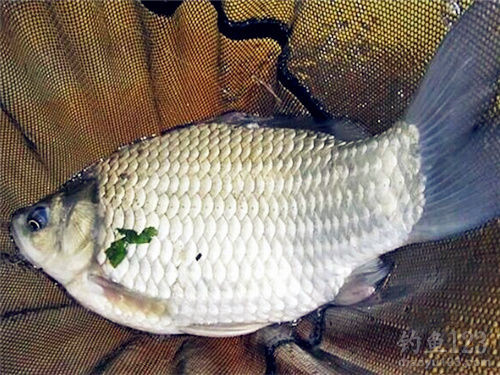
How to Make Grass Carp Bait with Pellets: Proven Tips & Methods for Successful Fishing
Let’s be real—if you’ve ever tried fishing for grass carp in a stocked pond (especially a pay lake or “black pit” like we call ’em in some circles), you know the struggle. Those fish? They’ve been chowing down on the same pellet feed since they were tiny fry. Change up the bait, and suddenly you’re invisible. That’s why I swear by original pond pellets (or “farm pellets” if you’re talking freshwater) for grass carp—they’re the secret to getting those skittish giants to bite. I’ve spent way too many weekends testing random baits that flopped, so today I’m spilling my go-to methods for turning pellets into grass carp bait that actually works. Let’s dive in!

Why Original Pond Pellets Are Non-Negotiable for Grass Carp
First off, let’s get one thing straight: grass carp are creatures of habit. If they’ve grown up eating the same pellet brand, size, and flavor every day, they’re not gonna suddenly crave your fancy homemade dough bait. That’s “pellet bias” in action—those fish associate those pellets with safety and food, so they’ll ignore anything else when they’re feeling picky. I learned this the hard way last spring: I brought a “top-secret” fruit-based bait to a local black pit, and I didn’t get a single bite all day. Meanwhile, the guy next to me was hauling in 20-pounders left and right with the exact pellets the pond owner sold at the gate. Duh—lesson learned.
Another win with original pond pellets? They lower the fish’s guard. Grass carp are skittish, especially in pressured ponds. When they see a pellet that’s exactly what they eat every morning, they don’t hesitate. No weird textures, no off-flavors—just “oh, snack time!” That’s why this bait is a game-changer for both newbies and pros alike.
My Two Go-To Methods for Pellet-Based Grass Carp Bait
Over the years, I’ve narrowed down my pellet bait routine to two reliable methods. One’s for when the fish are going crazy (hello, summer feeding frenzies!), and the other’s for when they’re being total divas (looking at you, early spring and winter). Let’s break ’em down.
1. Straight Pellet Rig: For When Grass Carp Are Feeding Like Crazy
This method is lazy-level easy, but it works when the bite is on. Here’s what you need: a small rubber band (I use valve stem rubber—you know, the tiny ones from bike tires), a sharp pencil, and the original pond pellets (grab the biggest size the pond uses—grass carp love big chunks!).
Pro tip: Prep the rubber bands at home—don’t fumble with ’em at the pond when the fish are jumping. Here’s how I do it:
- Take a sharp pencil and slide a rubber band all the way down to the eraser end.
- Remove the eraser, leaving just the metal ring that held it on.
- At the pond, buy the owner’s pellets (non-negotiable—don’t cheap out here!).
- Stick a pellet into the metal ring, then slide the rubber band over the pellet to hold it on your hook.
This rig is perfect for when you’re targeting big grass carp and don’t wanna waste time re-baiting every 2 minutes. Last summer, I used this at a 10-acre pond and landed 3 grass carp over 15 pounds in an hour—no joke. But here’s the catch: it’s garbage for weak bites. If the water’s cold (like below 60°F) or the fish are just nibbling, that big pellet will block their mouth—they can’t get it in, so they’ll swim away. Bummer, right? That’s where method two comes in.
2. Ground Pellet Dough & Pull Bait: For Weak-Biting Grass Carp
When the fish are being finicky (think early spring, late fall, or super pressured ponds), you need something smaller, softer, and more enticing. That’s where ground pellets mixed with other ingredients shine. Here’s my exact recipe—no fancy stuff, just stuff you can grab at a fishing shop or even a hardware store.
Step 1: Prep the Pellets
First, you gotta grind those pellets. I use a cheap coffee grinder (pro tip: don’t use your morning coffee grinder—your wife will kill you). Grind ’em until they’re just a little bigger than rice—too fine, and they’ll dissolve too fast; too coarse, and they’re still too big for weak bites. I usually grind a batch at home so I don’t have to mess with it at the pond.
Step 2: Mix the Dough (For Big Bites)
For dough bait (great for when you wanna target grass carp but still need some durability), mix:
- 1 part ground original pond pellets
- 20% snowflake flour (or “flake mix” if you’re in the US—this helps with texture and makes it easier for fish to bite)
- 10% light bran (adds a little bulk without making it heavy)
- Water ratio: 1:0.8 (so 1 cup pellets to 0.8 cups water—measure this! Too much water = mushy mess)
Mix all the dry stuff first, then add water slowly. Stir until it’s clumpy, then let it sit for 10 minutes (that’s “resting time” for the flour to absorb water). After that, knead it a little—like bread dough—until it’s smooth. This stuff is perfect for weak bites because it’s soft, so the fish can suck it in without struggling. Last winter, I used this at a local pond when the water was 55°F, and I landed 2 grass carp over 12 pounds—total surprise, but this bait saved the day!
Step 3: Make Pull Bait (For Smaller, Faster Bites)
If you’re also targeting smaller fish (like carp or even catfish) while going for grass carp, add pull bait (what we call “pull bait” in some regions—wait, no, actually it’s “pull bait” as in you can pull it with your hook). Here’s the tweak to the dough recipe:
- Add 15-30% 80-mesh pull powder (this is the stuff that makes the bait stick to your hook and form a little “tail” when you cast)
- Water ratio: 1:1 (so 1 cup pellets to 1 cup water—more water because the pull powder needs it)
Same steps: mix dry, add water, rest 10 minutes, then knead into a ball. This stuff is great because it’s light, so it floats a little, and the “tail” wiggles in the water—grass carp can’t resist that movement. I used this last fall at a pond where the grass carp were only nibbling, and I landed 4 in 2 hours—way better than the straight pellet method!
Quick Pro Tips to Make Your Pellet Bait Even Better
Before you hit the pond, here are a few little tricks I’ve picked up that make a huge difference:
- Always ask the pond owner for their pellets first—don’t assume you know the brand. I once brought my “favorite” pellets to a new pond, and they didn’t work at all because the owner used a different brand. Oops.
- For straight pellets, use a size 4 or 5 hook—big enough to hold the pellet, but small enough that the fish don’t feel it.
- For dough/pull bait, don’t over-knead it—too much kneading makes it hard, and the fish won’t bite it.
- Try adding a tiny bit of honey or vanilla extract to the dough—just a drop! Grass carp love sweet stuff, and it can give your bait an extra edge.
Honestly, I used to waste so much time and money on fancy baits that never worked. Now, I stick to these pellet methods, and I almost always come home with at least a few grass carp. Last month, I took my 10-year-old nephew fishing, and he caught his first grass carp (1 pounds!) using the straight pellet method. He was so excited he’s already asking to go back next weekend. That’s the best part—this stuff works for everyone, no matter how much experience you have.
What about you? Have you tried using pellets for grass carp? Did you have any fails (I’ve had plenty!) or wins? Drop a comment below—I’d love to hear your stories. And if you’re new to this, don’t stress—start with the straight pellet method first. It’s easy, and you’ll probably catch something. Happy fishing!