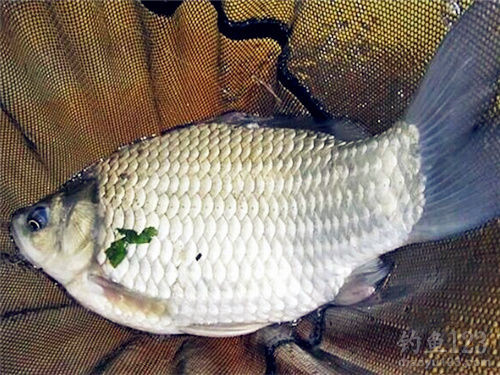
Pro Anglers’ Secret Grass Carp Bait Recipes for Reservoirs (Summer Edition)
Let’s cut to the chase—summer is grass carp’s buffet season. Those big ol’ reservoir behemoths go crazy for food when the water warms up, right? I’m talking from wheat harvest season all the way through rice cutting—if the weather’s decent, you’re golden… as long as you’ve got the right bait. No fancy gear needed, just some old-school tricks from local anglers I grew up with. Let me spill the tea on the bait that’s landed me 10+ pounders back in the day (before the reservoir got shallower, forcing us to switch to spincasters—still works, though!)

Why Summer Reservoir Grass Carp Fishing Slaps (And What Bait They Crave)
First off, let’s get the vibe right. When the mercury climbs, grass carp don’t just eat—they feast. Their metabolism goes into overdrive, so they’re cruising the shallows, the drop-offs, anywhere food drifts by. Back at my hometown reservoir, the dam side would be packed with anglers every weekend: straw hats, umbrellas, sweat dripping, but no one’s leaving until they land a monster. Why? Because we had a bait that was like catnip for these fish. No store-bought junk—just natural stuff that smells like their summer diet.
What Makes This Bait a Game-Changer?
Let’s break it down: it’s fermented, sweet, has that earthy corn vibe, and a little kick from liquor. Fermentation means the scent spreads like wildfire in the water—grass carp can pick that up from miles away (okay, maybe yards, but still). The sweetness keeps them biting, and the texture? Sticky enough to stay on the hook through snags, but soft enough to not scare ’em off. Plus, it’s cheap—you can make a batch for like $5, and it lasts for weeks if you store it right. Win-win.
Step-by-Step: Homemade Grass Carp Bait (Reservoir-Proven)
Okay, enough chit-chat—let’s get to the good stuff. This recipe’s been passed around my local fishing crew for decades, and I’ve tweaked it just a tiny bit over the years. It works for both hand rods and spincasters, so no excuses if you’re using either.
Ingredients You’ll Need (No Weird Stuff, Promise)
First, grab these—make sure they’re fresh, not stale. Stale stuff = no bites. Trust me, I’ve tried:
- 2–3 pounds of fresh cornmeal (not the pre-cooked kind! Fresh = bright yellow, smells like corn. Stale cornmeal is dull, smells off—skip it)
- 2 ounces of real honey (not the fake “honey syrup”! Local beekeepers or big grocery stores—fake stuff won’t cut it. Grass carp can tell the difference)
- Brown sugar (about 2 ounces—any brand, but darker is better for that deep sweetness)
- A splash of low-alcohol, aromatic rice wine (or any light, sweet liquor—no bitter stuff like whiskey. We want something that smells nice, not harsh)
- Optional (but chef’s kiss): A tiny bit of Chinese herbal liquor (like the stuff my grandma uses for cooking—adds a secret scent) OR chopped chives/cilantro (grass carp go nuts for strong green smells)
Cooking the Bait (It’s Easier Than Making Toast, I Swear)
Let’s walk through this step by step—no fancy kitchen tools needed:
- Mix the base: Grab a big metal bowl. Throw in 1 pound of cornmeal + 2 ounces of brown sugar. Stir ’em up real good so the sugar’s spread out. Then pour in some boiling water—just enough to make a thick, sticky paste (like cookie dough, but a little runnier). Stir fast while you pour, or you’ll get lumps. Hot water cooks the cornmeal a little, which makes it stick better later.
- Steam it: Spread the paste thin on a bamboo steamer (or a metal rack if you don’t have one). Steam it for 10–15 minutes until it’s 80% cooked—you don’t want it fully done, just soft enough to knead. If you overcook it, it’ll be mushy and fall off the hook. Trust me, I’ve messed this up before—took 30 minutes to clean my hook once because the bait turned to mush.
- Knead in the honey: Let the steamed cornmeal cool down a little (don’t burn your hands!). Add 1–2 ounces of honey, then knead it like you’re making bread. The more you knead, the stickier it gets—perfect for staying on the hook. Once it’s a smooth dough, roll it into a ball, then flatten it on a board (I use my old fishing buddy’s cutting board—don’t tell him). Cut it into little cubes (like 1-inch squares—big enough for a hook, small enough for grass carp to bite).
- Ferment it (the secret sauce): Throw the cubes into a plastic bag (ziplock works, but a sealable container is better). Spray a little rice wine over them—don’t drown ’em, just a light mist. Seal the bag tight, and let it sit in a cool, dark place for 3 days. That’s when the magic happens: the cornmeal ferments, and the scent gets super strong. I once left a bag in my garage and my mom thought I was making moonshine—oops. But the bait? Absolute fire.
- Optional pro tweak: If you’re feeling fancy, add a tiny splash of herbal liquor (like 5 drops) or a handful of chopped chives/cilantro before sealing. My old man swears by this—says it’s like adding “fish cologne.” I’ve caught bigger fish with it, so I’m not arguing.
Why This Bait Beats Store-Bought (Spoiler: It’s Natural)
Let’s be real—store-bought bait is hit or miss. Sometimes it works, sometimes it’s like throwing plastic at the fish. This stuff? It’s what grass carp eat naturally in the summer: corn, sweet stuff, fermented bits from the water. The scent is so strong it cuts through the reservoir’s murk—even on windy days, the fish can smell it. And the texture? Sticky enough to stay on the hook when you cast 5 yards with a spincaster, but soft enough that when a grass carp bites, it doesn’t feel like a rock. I’ve had small carp nibble at it without pulling it off, which means the big ones have time to go for the whole thing.
Pro Tips for Using This Bait at Reservoirs
Okay, you’ve got the bait—now how do you use it? Here’s what I’ve learned from 10+ years of failing (and then succeeding):
1. Hook It Right (Don’t Be a Noob)
For hand rods (if the reservoir’s shallow enough): Use a size 8–10 hook. Push the bait cube onto the hook so the point is just barely sticking out. Don’t bury the point—grass carp have soft mouths, and if the point is hidden, you’ll miss the bite. For spincasters (deep reservoirs): Use a size 10–12 hook, and wrap a little extra bait around the hook (like a tiny ball) so it stays on when you cast far.
2. Where to Cast (Read the Water)
Grass carp love two spots in summer reservoirs: drop-offs (where the shallow water meets deep water—they hang out there to eat and hide) and weed beds (they munch on weeds, so if you cast near weeds, they’ll come running). Avoid casting right in the middle of the open water—too exposed. My go-to spot is the dam side, where there’s a drop-off and some weeds growing along the edge. I’ve landed 3 big carp there in one afternoon.
3. Timing Is Everything (Don’t Fish at Midday)
Grass carp are crepuscular—they’re most active at dawn and dusk. Midday? They’re hiding in the deep, cool water. I once fished from 10 AM to 2 PM and caught nothing. Then I came back at 6 PM, cast once, and landed a 12-pounder. Total game-changer. So skip the hot sun—wake up early or stay late.
4. Deal With Small Fish (The Annoying Part)
Small fish (like minnows or tiny carp) will go crazy for this bait. To stop them: Use a bigger bait cube (2-inch instead of 1-inch) so they can’t nibble it off. Or add a little extra cornmeal to the dough to make it harder—small fish can’t bite through it, but big grass carp can. I once spent an hour re-baiting because of tiny minnows—then I switched to bigger cubes and caught 2 big ones in 20 minutes. Duh.
My Personal Story (The 15-Pound Monster)
Let me tell you about the time I caught the biggest grass carp of my life. It was a summer afternoon, 5 PM, at the reservoir. I’d just made a batch of bait with the herbal liquor tweak. I cast near the drop-off, and 10 minutes later, my rod bent so far I thought it was going to break. I fought that fish for 20 minutes—my arms were shaking, my hands were sweaty, and I almost dropped the rod twice. When I pulled it out? 15 pounds. My old man was so jealous he didn’t talk to me for an hour (then he asked for the recipe). That’s the power of this bait—no fancy gear, just old-school know-how.
Wrap-Up (No Boring Summary, Just More Fishing Vibes)
Look, fishing isn’t about being perfect. It’s about hanging out with your buddies, sweating through your shirt, and catching a fish that makes you go “WHOA.” This bait isn’t magic, but it’s close. It’s what the local anglers have used for years, and it works because it’s natural. If you try it, let me know how it goes—tag me in your fish pics, I’d love to see ’em. And if you don’t catch anything? Don’t worry—next time, try casting a little closer to the weeds, or wait until dusk. Fishing’s all about trial and error. Now go grab your cornmeal, honey, and rod—let’s catch some grass carp.