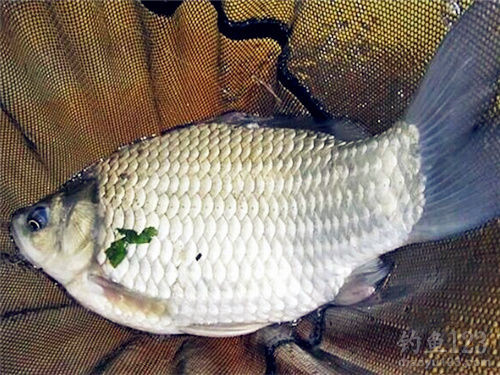
3 Proven Ways to Hook Earthworms for Catching Wild Crucian Carp
Let’s be real—if you’ve ever dipped a rod into a pond or river for wild crucian carp, you’ve probably reached for an earthworm at some point. These squiggly little guys (also called “nightcrawlers” or “dew worms” depending on where you are) are the OG universal bait for a reason. They’re easy to find, cheap (or free if you dig your own!), and crucians go crazy for ’em. But here’s the thing: just jabbing a worm onto a hook won’t always cut it. You need to hook ’em right to maximize bites—especially when you’re targeting those wily wild crucians. Today, I’m breaking down the three most effective hooking methods I’ve used over the years, plus all the tips and tricks I’ve picked up to make sure you’re not going home empty-handed. Let’s dive in!
First, a Quick Note on Earthworms for Crucian Carp
Before we get to the hooking methods, let’s talk about the worms themselves. Not all earthworms are created equal for crucian carp. I’ve found that regular garden earthworms work best—they’re the right size (not too big, not too small) and have that natural scent crucians love. If you’re digging your own, look for moist, dark soil (think under leaves or in compost piles)—those worms are plump and active, which is key for live bait. Avoid using dead or mushy worms; crucians can tell the difference, and they’ll swim right past ’em. Also, if you’re buying worms from a bait shop, make sure they’re kept in a cool, damp container—no one wants a sad, dehydrated worm that can’t wiggle.
Method 1: Cut Worm Sections for Smaller Crucians (and More Bites!)
This is my go-to when I’m targeting smaller wild crucians or fishing in shallow water. Let’s be honest—sometimes those little crucians are just too tiny to take a full worm. Cutting the worm into sections solves that problem, and it also means you get more bait out of one worm (win-win!).
How to Do It Right
First, grab a sharp knife or scissors (I keep a small pair in my tackle box just for this). Cut the worm into 1-inch or smaller pieces—any bigger, and the small crucians might struggle to bite. Here’s the step-by-step:
- Hold the worm gently (don’t squeeze too hard—they’re squishy!) and cut a 1-inch section.
- Take your hook (I use size 5-8 Iseama or 6-10 Marushu hooks for this—they’re perfect for small crucians) and thread the worm section onto the hook so it covers the entire hook tip and shank. You want the hook to be hidden—crucians are skittish, and a exposed hook will scare ’em off.
- For slightly bigger crucians, use a half-worm instead of a tiny section. Thread the half-worm onto the hook so it wraps around the bend of the hook—this makes the bait look more natural in the water.
Pro Tips for This Method
One thing I’ve learned the hard way: if the worm section starts to fall off, add a tiny piece of rubber band or a “worm glue” (yes, that’s a real thing!) to keep it in place. Also, use soft braided line (30-40mm) or nylon line (60-80mm)—the softness makes the bait move more naturally, and crucians can’t feel the line as easily. And don’t forget: small hook = small worm section, big hook = big worm section. Match the bait to the hook, and you’ll get more bites.
When to Use This Method
This method is perfect for:
- Shallow water (less than 3 feet deep)
- Smaller wild crucians (under 1 pound)
- Other small fish like perch or roach (but we’re here for crucians, right?)
Method 2: Live Worm Wrap for Deep, Murky Water
Okay, let’s talk about the deep stuff. If you’re fishing in a lake or river where the water is murky or over 33 feet deep, you need a bait that can stand out and move a lot. That’s where the live worm wrap comes in. I swear by this method—last summer, I caught a 2-pound crucian using this exact setup, and it was all because the worm was wiggling like crazy in the murky water.
Step-by-Step Wrap Method
First, grab a live, active worm (the more wiggly, the better!). Use a size 9-10 Marushu or 6-7 Iseama hook—they’re big enough to hold the worm but not too big for crucians. Here’s how to wrap it:
- Take the hook and insert the tip into the worm’s tail (start at the end, not the middle).
- Push the hook through the worm until the eye of the hook is just under the worm’s skin (don’t go all the way through—you want the worm to stay alive and wiggling).
- Now, fold the worm back and insert the hook through the same spot again. Do this 3-4 times so the worm wraps around the bend of the hook.
- Make sure the worm’s head and tail are free—they’ll wiggle like crazy, which attracts crucians from far away.

Why This Works for Deep, Murky Water
Murky water means crucians can’t see as well, so they rely on movement and scent to find food. The live worm’s wiggling creates vibrations in the water, and the scent of the worm spreads farther than a dead one. I’ve also found that using soft braided line (40-60mm) or nylon line (60-80mm) makes the bait move more naturally—crucians can’t resist that wiggly action.
My Personal Experience with This Method
Last fall, I was fishing in a deep river (about 40 feet deep) that was super murky from recent rain. I tried using cut worm sections, but I got zero bites. Then I switched to the live wrap method, and within 10 minutes, I had a bite. The crucian was big—about 1.8 pounds—and it fought like crazy. I’ve used this method dozens of times since, and it’s never let me down in deep, murky water.
Method 3: Midsection or Tail Hook for Big Wild Crucians
Okay, let’s get to the big boys (and girls!). If you’re targeting large wild crucians (over 1.5 pounds), you need a bigger bait that can handle their strong bites. The midsection or tail hook method is perfect for this—it uses a big, live worm that crucians can’t resist.
How to Hook It for Big Crucians
First, grab a large earthworm (the bigger, the better—crucians love a big meal!). Use a size 14-15 Marushu or 10-11 Iseama hook—these are big enough to hold a large worm and a big crucian. Here’s how to hook it:
- Midsection hook: Insert the hook into the middle of the worm’s body (not too close to the head or tail). Push the hook through until the eye is just under the skin. The worm will wrap around the hook on its own, and the head and tail will wiggle like crazy.
- Tail hook: Insert the hook into the tail of the worm and push it through until the eye is just under the skin. Again, the worm will wrap around the hook, and the head will wiggle.
Best Tackle for This Method
For big crucians, you need stronger line—use soft braided line (80-100mm) or nylon line (120-140mm). This method works with all types of rods: spinning rods, float rods, or even baitcasters. I’ve used it with a float rod in a pond, and I caught a 2.2-pound crucian that put up a fight I’ll never forget.
When to Use This Method
This method is perfect for:
- Big wild crucians (over 1.5 pounds)
- Fishing with float rods, spinning rods, or baitcasters
- Any water depth (shallow or deep)
Final Thoughts: Why Earthworms Are Still My Go-To Bait
Let’s be honest—these days, there are a million fancy baits out there: artificial lures, scented dough baits, you name it. But I still reach for earthworms more often than not. Why? Because they’re simple. You don’t need to mix a bunch of ingredients or spend a fortune. You just dig ’em up (or buy ’em for a dollar or two), hook ’em right, and cast. And there’s something about catching a big crucian with a simple earthworm that feels more rewarding than using a fancy bait. It’s like going back to the basics of fishing—no stress, just you, the water, and a wiggly worm.
Last month, I took my little cousin fishing for the first time. We used cut worm sections, and he caught three small crucians in an hour. He was so excited he talked about it for a week. That’s the magic of earthworms—they’re not just bait; they’re a way to introduce people to fishing and make memories. So next time you’re heading out to catch wild crucians, don’t overlook the humble earthworm. Hook ’em right using one of these three methods, and you’ll be bringing home a catch (or at least having a lot of fun trying).