What’s the Difference Between Fishing in Stocked Ponds (Pit Ponds) vs. Reservoirs? A Pro Angler’s Breakdown
Let’s cut to the chase: If you’ve ever stood at a stocked pond (what we call “pit ponds” here) and stared at the water like it’s holding a grudge, while your buddy’s out at the reservoir hauling in bass like it’s a grocery run, you know there’s a huge difference between these two spots. I’ve spent way too many weekends chasing both—some days winning, most days just… well, not losing too badly—and I’m here to spill the tea (or the fishing line, whatever). Let’s break down why pit ponds and reservoirs feel like two different sports entirely.
1. The Fish: Food Choices That Make or Break Your Day
First off, let’s talk about the stars of the show—the fish. These guys live totally different lives, and that changes everything about how you fish ’em.
1.1 Pit Pond Fish: The Picky Food Critics
Oh man, pit pond fish are like food snobs with a side of attitude. Here’s the thing: They’re fed every single day (either by the pond owner or by a hundred anglers shoving bait at ’em). So they don’t just eat anything. They’re over here thinking, “Hmm, is this bait artisanal enough? Did it come with a side of garlic? Wait, no, last week’s bait had more corn flavor…” I swear, some of these fish have IQs higher than my college roommate. You can’t just toss a worm and call it a day—they’ll sniff it, judge it, and swim away like you offered them a soggy cracker.
And don’t even get me started on the “bite pressure.” If the pond’s been fished hard that weekend, these fish are spooked. They’ve seen 100 lures already—they know the game. You’ll cast, watch your float sit there like a statue, and think, “Is this water even wet?” Yeah, that’s pit pond life.
1.2 Reservoir Fish: The Hungry Hungry Hippos
Now reservoirs? These fish are the opposite. They’re out here thinking, “WHERE IS THE FOOD? I WILL EAT A SHOE IF IT’S FLOATING.” Reservoirs are big—like, really big—so food is scarce. A fish might go hours without finding a snack. So when they see something that even resembles food? They attack it like it’s the last slice of pizza at a college party. No hesitation, no judgment—just chomp.
That means their bites are loud. Your float won’t just dip—it’ll dance, jump, and maybe even do a backflip. I’ve had times where I set the hook so fast I almost yank my rod into the water. And here’s the kicker: All that “fancy” stuff you learn for pit ponds? Like “adjusting your float for sensitivity” or “matching the hatch exactly”? You can pretty much throw that out the window here. Reservoir fish don’t care if your bait’s “perfect”—they care if it’s there.

2. Choosing Your Spot: Pit Ponds = Precision, Reservoirs = Patience
Next up: The water itself. Pit ponds and reservoirs have totally different vibes, and that changes how you pick your spot.
2.1 Pit Ponds: Nail the Spot or Go Home Empty-Handed
Summer pit pond fishing? It’s a chess game. These ponds are small, so the fish have strict routines. They know where the shade is, where the food drops, where the “safe spots” are. If you pick the wrong spot? You’re gonna “join the army” (that’s angler slang for catching zero fish—sorry, not sorry). I’ve sat in a pit pond for 3 hours once, casting everywhere, and caught nothing. Then I moved 10 feet to a spot where the water was a little deeper near a tree, and boom—5 fish in 20 minutes. No joke.
So what’s the secret? Scout first. Walk around the pond before you set up. Look for bubbles (fish breathing), surface ripples (fish feeding), or even other anglers who look like they’re not dying of boredom. And if you see someone catching fish? Do the “fishing social” thing—walk over, ask what they’re using, maybe share a beer (or a pack of gum). Most anglers are chill, and they’ll spill the tea. Trust me, it’s better than guessing.
2.2 Reservoirs: Follow the Food (and the Fish)
Reservoirs are huge—like, you can’t see the other side huge. So “picking a spot” isn’t about 10 feet here or there—it’s about following the fish’s food. Fish in reservoirs move with the seasons and temperature. In summer, they’ll go where the food is growing—shallow areas with lots of plants, or deep spots where the water’s cool. But here’s the thing: They’ll stay in a spot as long as there’s food. So if you find a place where the water’s warm enough for plants to grow, or where people are dumping bait (wait, no—don’t dump random stuff, but if you see other anglers feeding a spot), that’s your spot.
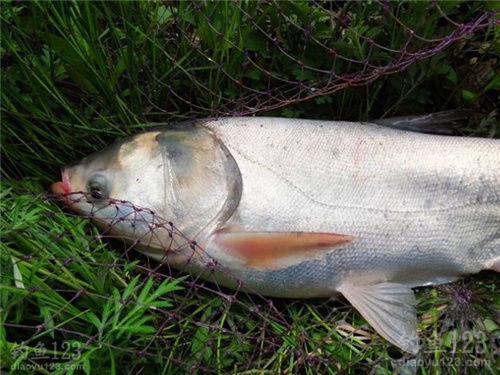
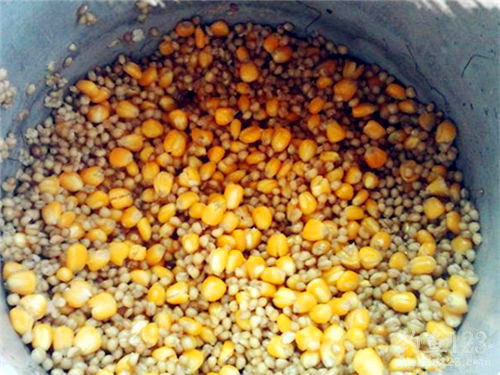
And here’s a pro tip: In summer, find a spot where people have been feeding the fish for a few days. I once went to a reservoir where a group of locals had been dumping corn for 3 days. I showed up, cast a corn bait, and within 10 minutes I had a 12-pound carp. No joke—my rod bent so much I thought it was gonna break. So yeah, reservoirs are all about “feeding the spot” and waiting for the fish to show up.
3. Bait and Gear: Pit Ponds = High-Tech, Reservoirs = Low-Effort (Sort Of)
Let’s talk about the stuff you bring. Pit ponds and reservoirs need totally different gear and bait. No ifs, ands, or buts.
3.1 Pit Ponds: You Need the “Good Stuff” (Or Someone Else’s Good Stuff)
Pit pond fish are spoiled. You can’t just use a worm and expect to catch anything. You need fancy bait—like, the kind that comes in a little jar with a weird name (I’ve seen “Garlic Krill Explosion” and “Corn Seduction” before). And you need the right line and rod—thin line so the fish don’t see it, a sensitive rod so you can feel the tiny bites. If you show up with a cheap rod and a worm? You’re gonna be the guy sitting in the corner, watching everyone else catch fish.
And here’s the real tea: The best bait for a pit pond is usually what the other anglers are using. I once went to a pit pond where everyone was using a bait called “Magic Trout Pellets.” I bought some, cast it, and caught 3 trout in 15 minutes. If I’d stuck with my usual worm? Zero. So yeah—copy the winners. It’s not cheating; it’s strategy.
3.2 Reservoirs: Dumb Bait Works (But You Need to Feed the Spot)
Reservoirs? You can use anything—as long as you feed the spot first. I’ve used corn, wheat, sweet potatoes, even grass (for carp). Once, I used a piece of bread with peanut butter on it (don’t judge) and caught a 10-pound bass. No joke. But here’s the catch: You can’t just cast once. You need to make a “big bed” of food—like, 10 pounds of corn, or 20 pounds of sweet potatoes. And you need to do it for a few days. The first day? Maybe nothing. But the second or third day? The fish will smell it, come over, and eat everything. I’ve had times where I fed a spot for 2 days, then came back on day 3 and caught 10 fish in 4 hours. It’s crazy.
And don’t believe the “magic additives” hype. I’ve tried all that stuff—“fish attractant spray,” “secret powder”—and it’s all garbage. The locals at my favorite reservoir laugh at the city anglers who bring that stuff. They’re like, “You’re feeding the fish; we’re just waiting for ’em to show up.” And they’re right. Reservoirs don’t care about fancy stuff—they care about food.
4. Pro Tips: How to Win at Both (Or At Least Not Lose)
Okay, let’s get to the good stuff—my go-to tips for both spots.
4.1 Pit Pond Pro Tips
- Scout first! Walk the pond before you set up. Look for bubbles, ripples, or anglers with fish.
- Copy the winners. If someone’s catching fish, ask what they’re using. Most will tell you (especially if you buy them a soda).
- Use thin line (2-4 lb test) and a sensitive rod. You need to feel those tiny bites.
- Keep your bait fresh. Pit pond fish can tell if your bait’s old—trust me.
4.2 Reservoir Pro Tips
- Feed the spot for 2-3 days first. Don’t just show up and cast. Patience is key.
- Use natural bait: corn, wheat, sweet potatoes, grass. No fancy stuff needed.
- Find a spot with structure: trees, rocks, or shallow areas with plants. Fish love hiding there.
- Bring a big net. Reservoir fish are big—you don’t wanna lose one at the last second.
5. The Big Conclusion (But Not Really—Just My Take)
At the end of the day, pit ponds and reservoirs are two totally different beasts. Pit ponds are all about precision—picking the right spot, using the right bait, and being patient with picky fish. Reservoirs are all about patience—feeding the spot, waiting for the fish to show up, and using simple bait. I’ve had days where I hated pit ponds (like the time I caught zero fish for 5 hours) and days where I loved ’em (like the time I caught 110 bass in a day). Same with reservoirs—some days I wait 3 days for a bite, some days I catch 5 fish in 10 minutes.
But here’s the thing: Both are fun. If you’re a beginner? Start with reservoirs. They’re more forgiving, and you’ll catch fish faster. If you’re a pro? Pit ponds are a challenge—they’ll make you a better angler. Either way, just get out there. The worst thing that happens? You spend a day outside, drinking beer, and watching the water. That’s not a bad day, if you ask me.
Oh, and one last thing: If you’re fishing a reservoir with friends? Take turns feeding the spot. One day you feed it, the next day your buddy does. That way, the fish keep coming back, and everyone catches fish. It’s called “resource sharing,” and it’s how the locals do it. Trust me—you’ll thank me later.