Basic Methods for Preparing Fishing Bait for Recreational Bank Fishing
Let’s be real—recreational bank fishing and competitive fishing are like night and day. Competitive anglers? They’re dropping thousands on bait formulas, testing every tiny variable: water ratios, temperature, mixing techniques, you name it. They’re chasing that perfect “feel” to win tournaments, and that’s cool… but it’s not us. We’re the ones who just want to kick back, catch a few fish, and not stress over a $5 bag of specialized boilies. So let’s talk about our kind of bait prep—simple, effective, and no PhD required.
First Rule: Know Your Target (And Wild Fish’s Tastes)
Wild fish aren’t picky eaters, but they do have preferences. The big three flavors? Savory, sweet, and stinky (in a good way). The key tweak here? Adjust based on water temperature. Cold water? Go stronger on savory—fish need more protein to keep warm. Warm water? Dial back the intensity; too much scent can make them skittish.
Target-Specific Flavor Hacks
- Small Carp: Stick to savory-sweet mixes. They’re little gluttons and love that combo.
- Big Carp: Lean into sweet, with a tiny savory kick. Think honey + a dash of fish meal—old-school but effective.
- Crucian Carp & Tench: Fermented, tangy baits are chef’s kiss. These guys go crazy for that sour, bread-y smell (pro tip: mix in a bit of old sourdough if you’re in a pinch).
I once spent an hour mixing a fancy “professional” savory bait for small carp, only to catch nothing. Switched to a cheap sweet corn + savory fish meal mix, and boom—3 carp in 1 minutes. Wild fish don’t care about your “brand loyalty.” They care about what tastes good, right now.
Two Core Bait Types: Mash vs. Paste (And What Works Where)
Forget the fancy terms—let’s call them what they are: mash (for quick, easy casts) and paste (for holding up to bigger fish). Each has its own rules, so don’t mix ’em up unless you want to waste 2 casts before getting a bite (guilty).
Mash Bait: The Lazy Angler’s Best Friend
Mash is all about speed—mix it, hook it, cast it. But here’s the catch: no extra gluten (that’s the sticky stuff that makes dough stretch). Too much gluten makes the mash clump up, and it won’t break apart in the water to attract fish. Plus, it’s hard for small fish to suck in—total buzzkill.
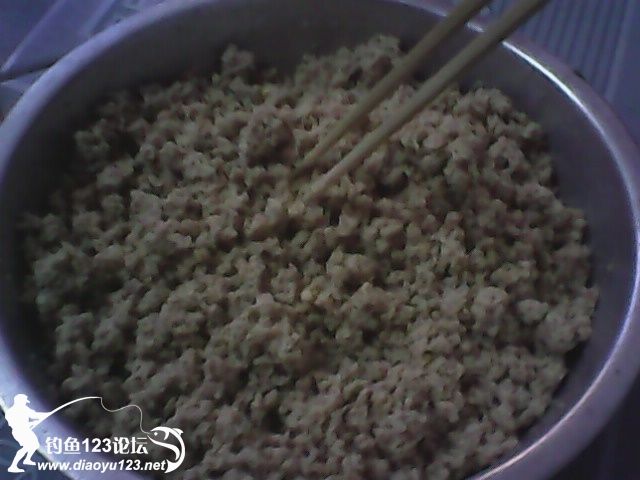
Pro move: Use pre-made mash that’s low-gluten, or mix your own with cornmeal + fish meal + a splash of water. No fancy tools—just a bowl and your hands (yes, get messy. It’s part of the fun).
Paste Bait: The “Hold On” Specialist
Paste is for when you need bait that stays on the hook longer—like when you’re fishing in fast water or targeting bigger fish. To make it work, you need to add gluten (10-25% of your mix). That stretchy stuff keeps the paste from falling off mid-cast, and it’s easier for fish to suck in (win-win).
But wait—some pre-made pastes are super sticky. If yours feels like glue, add a handful of light flake (like crushed cereal or specialized light bait flakes) to loosen it up. Heavy bait sinks too fast and scares fish? Toss in a bit of light bran or cork dust to make it floatier. Trust me, I learned this the hard way when my paste sank straight to the mud and caught nothing but a stick.
Size Matters: Coarse vs. Fine Bait Components
You can’t use the same bait for tiny roach and big carp—duh. The size of your bait bits (coarse vs. fine) makes all the difference in whether fish will even look at it.
Coarse Bits: For Big Fish (And Keeping Small Nuisance Fish Away)
Big fish love chunky bait—think bits of corn, crushed pellets, or even small pieces of bread crust. These bits take longer to eat, so they’ll stick around and let the big guys move in. If you’re using paste for big carp, add a handful of coarse fish meal or chopped boilies (even old ones work!) to make it chunkier.
But here’s the thing: If you’re fishing for small roach, coarse bits will make your paste too big—they can’t suck it in. I once tried using a coarse paste for roach and caught zero… until I switched to fine, powdery cornmeal mix. Suddenly, I was pulling in roach left and right. Lesson learned: Match the bait size to the fish’s mouth.
Fine Bits: For Small Fish (And Slow, Steady Bites)
Small fish need tiny, powdery bait—no big chunks allowed. But wait: Too fine, and the bait dissolves too fast. That means the small fish eat it all in 2 minutes, and there’s nothing left for the bigger ones (or you go home empty-handed). So what’s the hack? Add a tiny handful of small, scented pellets (like 2mm carp pellets) to your fine mix. They dissolve slowly, so the bait lasts longer.
Pro tip for roach: Mix fine cornmeal + a dash of sweetener + a pinch of scented pellets. It’s cheap, easy, and roach go crazy for it. I keep a bag of this in my tackle box at all times—never fails.
Mix It Right: Gluey vs. Fluffy (And How to Fix It)
Here’s where most new anglers mess up: mixing the bait too much (or too little). Let’s break it down simply.
Mash: Don’t Overmix It!
Mash is supposed to be fluffy, not gluey. If you mix it too hard, it becomes a solid clump that won’t break apart in the water. That means no fish will find it. I once mixed a mash for 5 minutes (yes, really) and it was like a brick. Cast it out, and it sat on the bottom for 10 minutes without moving. Switched to a 2-second mix (just until it’s clumpy but not solid), and boom—bite within 2 minutes. Moral of the story: Less is more with mash.
Paste: Mix It Until It’s Stretchy (But Not Stringy)
Paste needs to be stretchy—like playdough. Mix it until it pulls apart a little when you stretch it, but not so much that it leaves strings on your hands. If it’s too sticky, add a bit more light flake. If it’s too dry, add a tiny splash of water (1 teaspoon at a time—you can’t take water out, but you can add more dry mix if you overdo it).
Another hack: If your paste keeps falling off the hook, add a tiny bit of specialized paste enhancer (like “PVA String” for paste). It’s not expensive, and it makes the paste stick like glue—perfect for fast water.
Small Tweaks That Make a Big Difference
Sometimes, it’s the tiny things that turn a bad day into a great one. Here are my go-to tricks for when the fish just aren’t biting:
- Cold Water = Lighter Bait: When the water’s cold, fish don’t want to chase heavy bait. Add a bit of light bran or cork dust to make your bait floatier—they’ll swim up to it easier.
- Slow Bites = Softer Bait: If fish are nibbling but not biting, make your bait softer. Add a tiny splash of water (or a bit of “soft bait enhancer”)—it’s easier for them to suck in.
- Sticky Paste = Add Light Flake: If your paste feels like it’s glued to your hands, toss in a handful of light flake. It’ll loosen it up and make it more appealing to fish.
I once fished a cold lake in October—water was 12°C (7°F), and fish were barely moving. Switched to a light, soft paste with a tiny savory kick, and caught 4 big carp in 2 hours. Those small tweaks? Total game-changers.
Final Thought: Just Get Out There and Experiment
Here’s the thing: No one’s bait is perfect on the first try. I’ve messed up more batches than I can count—too much gluten, too little water, wrong flavor. But that’s the fun of it! You learn what works in your local lake, what the fish like on sunny days vs. cloudy days, and what’s just a waste of time.
Last month, I tried a new fermented bait for tench—smelled like old bread and vinegar (gross, but tench love it). First cast, nothing. Second cast, nothing. Third cast? Bite! Pulled in a 2kg (4.4lb) tench—my biggest ever. That’s the magic of recreational fishing: it’s not about being perfect. It’s about trying, failing, and then catching that one big fish that makes your day.
So grab your bowl, mix up some bait, and hit the water. You don’t need fancy gear or expensive formulas. Just a little know-how, a lot of patience, and the willingness to get your hands dirty. Trust me—your next catch is waiting.