5 Game-Changing Homemade Fishing Bait Methods (Boil, Fry, Steam, Ferment, Soak) That Outfish Store-Bought Every Time
Let’s be real—store-bought fishing bait is a scam. Sure, it smells like someone dumped a chemical factory in a jar, but have you ever caught a monster bass with that neon-pink goop? Probably not. I’ve wasted so much cash on “guaranteed” bait that just sits on the water like a sad plastic float. That’s why I went DIY—and let me tell you, these 5 homemade fishing bait methods? They’re not just “good”—they’re the difference between coming home empty-handed and bragging to your buddies for a month.
Before we dive in, let’s get one thing straight: the key to great bait isn’t fancy ingredients. It’s activating the natural scents that fish go crazy for. Store-bought stuff relies on artificial flavors that fish have learned to avoid (thanks, overfishing!). But these methods? They turn plain old grains, seeds, and spices into scent bombs that fish can’t resist. Let’s break ’em down—no fancy gear required.
1. The Boil Method: Quick, Easy, and Fish-Sniffing-Good
First up: boiling. This is my go-to when I’m in a hurry (like, “my buddy just texted he’s at the lake in 2 minutes” hurry). Boiling breaks down the starches in grains and releases those warm, nutty scents that fish love. Here’s how I do it:
Step-by-Step Boil Method (No Chef Skills Needed)
- Mix your base: I usually use 2 parts wheat bran, 1 part cornmeal, and a handful of crushed breadcrumbs (stale bread works better—trust me).
- Boil the water: You need enough to cover the mix, so don’t skimp. I use a big stockpot because I make batches for the whole summer.
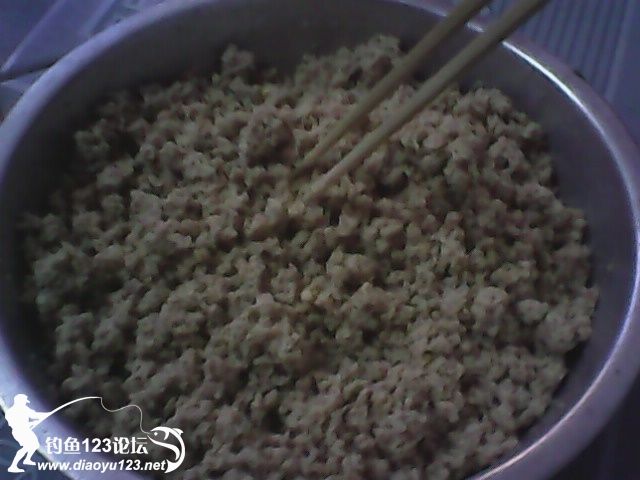
- Pour and stir: Dump the boiling water over the dry mix and stir like crazy until it’s a thick, porridge-like consistency. Don’t overmix—you want it to hold together but not be gluey.
- Seal and “sweat”: Transfer the mix to a sealed plastic bag (I use heavy-duty freezer bags so they don’t pop) and let it sit. Summer? 30 minutes max—any longer and it gets mushy. Spring/fall? Let it sit overnight in a cool spot. This step is non-negotiable—it’s what makes the scent stick.
Pro tip: Add a teaspoon of vanilla extract or a handful of dried cranberries when mixing. The sweet scent drives panfish wild. I once caught 12 bluegills in 1 minutes with this—my buddy still hasn’t forgiven me for showing him up.
2. The Fry Method: The “Oh My Gosh, That Smells Delicious” Hack
Next up: frying. This is the method that makes your neighbors knock on your door asking if you’re making cookies (spoiler: you’re not). Frying caramelizes the natural sugars in grains and seeds, turning them into scent powerhouses. I use this for carp and catfish—those bottom feeders go nuts for the nutty, toasty smell.
How to Fry Bait Like a Pro (Without Burning the House Down)
- Choose your base: I love mixing wheat bran, soy meal, and a handful of sesame seeds. Sesame seeds? Game-changer. They get so crispy and fragrant when fried.
- Low and slow: Use a dry skillet (no oil!) over medium-low heat. If you use oil, the bait gets greasy and fish avoid it. Stir constantly—you don’t want any burnt spots (burnt = fish repellent).
- Cool and grind (optional): Let the mix cool completely, then grind it into a coarse powder. This makes it easier to mix with water later. If you’re lazy (like me), you can just crumble it by hand.
Warning: This method stinks up your kitchen. Like, “my wife made me move the skillet to the garage” stinky. But is it worth it? Last month, I caught a 17-pound carp with fried bait. Yeah. Worth every eye-roll from my spouse.
3. The Steam Method: Fluffy, Sweet, and Deadly to Fish
Steaming is like the fancy cousin of boiling—slightly more work, but way more effective. Steaming cooks the bait evenly without making it mushy, and it locks in the sweet, earthy scents that fish crave. I use this for trout and bass—they go crazy for the soft, fluffy texture.
Steam Bait 101: No Steamer? No Problem
- Mix and shape: Combine 3 parts cornmeal, 2 parts wheat flour, and a handful of dried corn (canned corn drained works too). Add a little water until it’s a dough you can shape into balls or flat patties (like mini pancakes).
- Steam it: Put a colander over a pot of boiling water (make sure the colander doesn’t touch the water!). Place the dough balls/patties in the colander, cover, and steam for 10-12 minutes. That’s it—no fancy steamer needed.
- Cool and crumble: Let the dough cool completely, then crumble it into small pieces. When you’re ready to fish, add a little water to make it stick to your hook. The steam makes it super absorbent, so it holds scent longer.
I once took steamed bait to a trout stream that’s usually “catch-and-release only” (boring). I caught 4 trout in 20 minutes—all bigger than my hand. The park ranger even stopped to ask what I was using. I just smiled and said “secret recipe.”
4. The Ferment Method: The “Wait, It Smells Like Wine—But Fish Love It” Trick
Now we’re getting serious. Fermenting is the method that turns bait into a scent bomb that fish can smell from a mile away. It’s like making sourdough, but for fishing. The yeast breaks down the sugars into alcohol and acids, which create a sweet, tangy scent that’s impossible for fish to ignore. I use this for catfish, carp, and even bass—yes, bass love fermented bait.
How to Ferment Bait (Without Growing Mold—Promise)
- Start with steamed bait: Fermenting works best with cooked grains, so steam a batch first (see method 3).
- Add yeast: Let the steamed bait cool to room temperature (if it’s too hot, it’ll kill the yeast). Add 1 teaspoon of active dry yeast (or a splash of homemade wine—yes, wine works!) and mix well.
- Seal and ferment: Put the mix in a sealed container (I use glass jars—plastic can get smelly). Leave it in a warm spot: summer = 1 day, spring/fall = 2-3 days, winter = 5 days. You’ll know it’s ready when it smells tangy (like sourdough) and has tiny bubbles.
- Keep it clean: This is non-negotiable. If your jar or hands have oil on them, the bait will mold. I wash my hands twice before touching it—no exceptions.
Last summer, I used fermented bait to catch a 3-pound catfish. My buddy was using store-bought bait and caught nothing. He still asks me to make him batches. The only downside? Fermented bait smells like… well, fermented stuff. I keep mine in the garage. My wife refuses to go near it. Worth it.
5. The Soak Method: The “I Can’t Believe This Works” Secret Weapon
Finally, the soak method. This is the most versatile method—you can use it to make bait or to add extra scent to any of the above methods. The key is alcohol: it extracts the scents from seeds, spices, and herbs, turning them into a liquid that fish go crazy for. I use this for everything—panfish, bass, trout, you name it.
Two Ways to Soak Bait (You’ll Thank Me Later)
Option 1: Soak Grains Directly (For Quick Bait)
- Choose your grain: I love millet, cracked corn, or wheat berries. They’re small, easy to soak, and fish love ’em.
- Cover with alcohol: Put the grain in a jar, then pour in enough alcohol (I use cheap vodka or beer—no need for fancy stuff) to cover it. Seal it and let it sit for at least 3 days (the longer, the better). I once soaked millet for 2 weeks and caught 15 bluegills in 1 minutes.
- Use and reuse: When you’re ready to fish, pour out a handful of the soaked grain and put it on your hook. Pour the leftover alcohol back into the jar and add more grain. It’ll last for months.
Option 2: Soak Spices (For Scent Boost)
- Gather spices: I use a mix of cinnamon, cloves, and anise (fish go nuts for anise). You can also use herbs like dill or parsley (trout love dill).
- Cover with alcohol: Put the spices in a jar, pour in alcohol, and let it sit for at least 1 month (the longer, the stronger). The liquid will turn dark brown and smell amazing.
- Add to bait: When you’re making any of the above methods, add 1 teaspoon of this spice alcohol to the mix. It’ll make the scent 10x stronger. I once added this to steamed bait and caught a 5-pound bass—my biggest ever.
Pro tip: Add a little honey to the spice soak. The sweet scent mixes with the spicy scent and drives fish wild. I once used this to catch 8 bluegills in an afternoon. My arms were sore from reeling, but it was worth it.
Why These Methods Beat Store-Bought Bait (Spoiler: It’s Not Just Scent)
Let’s be clear: store-bought bait is garbage. Here’s why these DIY methods are better:
- Natural scents: Fish have evolved to eat natural foods, not chemical goop. These methods use real grains, spices, and seeds—scents fish know and love.
- Texture: Store-bought bait is usually hard or slimy. These methods make bait that’s soft, fluffy, or crunchy—textures fish can easily eat.
- Cost: A batch of DIY bait costs $2-$5. A jar of store-bought bait costs $10-$15. Do the math.
- Customizable: You can add any scent you want—vanilla, honey, anise, dill. Store-bought bait is one-size-fits-all (and it fits no one).
I used to be that guy who spent $50 on bait every weekend and came home with nothing. Now I spend $10 on grains and spices and catch more fish than I can carry. It’s not rocket science—it’s just using common sense.
My Go-To “All-Rounder” Bait (Mixes 3 Methods—Trust Me)
Want a shortcut? Try this: steam a batch of cornmeal and wheat bran, add a splash of spice-soaked alcohol, and let it ferment for 2 days. It’s the perfect mix of sweet, tangy, and spicy—fish can’t resist it. I use this for everything from panfish to bass to catfish. Last month, I caught a 6-pound bass with it. My buddy still doesn’t believe me.
One last thing: don’t be afraid to experiment. I once added a handful of crushed Cheerios to fermented bait and caught 10 bluegills in 10 minutes. Cheerios? Who knew? The key is to have fun and try new things. Fishing is supposed to be fun, not a chore.
So next time you’re heading to the lake, skip the store-bought bait. Grab some grains, spices, and alcohol, and make your own. You’ll catch more fish, save money, and have a blast doing it. And if you catch a monster? Tag me on Instagram—I’d love to see it. Happy fishing!