



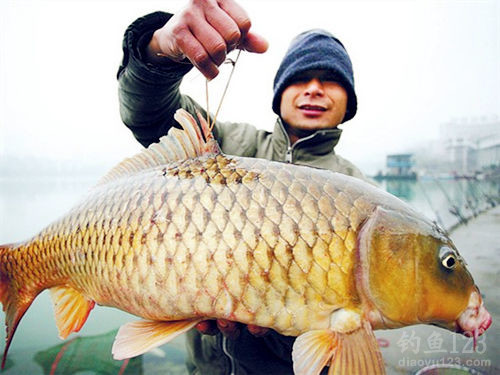
Spring Carp Fishing: How to Choose the Right Spot and Adjust Your Float for Success
Let’s be real—carp are the unsung heroes of freshwater fishing. They’re not just “trash fish” (don’t @ me, haters); their meat is tender, they fight like crazy, and they’re everywhere. And spring? That’s when the magic happens. The snow melts, the grass turns green, and suddenly those lazy carp start moving, feeding, and begging to be caught. But here’s the thing: spring carp fishing isn’t just “throw a line and hope.” You need two key skills: nailing the perfect spot and adjusting your float like a pro. Let’s break it down—no fancy jargon, just real talk from someone who’s spent way too many weekends with a rod in hand.
First Things First: Why Spring Carp Fishing is Worth the Early Mornings
Before we dive into spots and floats, let’s get hyped. Spring carp are hungry. They’ve been cooped up all winter, burning calories, and now they’re desperate to bulk up for spawning. That means they’re active, aggressive, and way more likely to take your bait than in the dead of summer (when they’re just chilling in deep water). Plus, spring weather is usually milder—no scorching sun or freezing winds (well, mostly). It’s the perfect time to get outside and catch some monsters.
Step 1: Choosing the Perfect Spring Carp Spot (No More Guessing!)
Okay, let’s get to the good stuff. Finding the right spot is 80% of the battle. I’ve wasted hours fishing in the wrong place—trust me, you don’t want to do that. Here’s what you need to look for:
1.1 Water Temperature: The #1 Rule for Spring Spots
Spring water is still cold—especially early spring. Carp are cold-blooded, so they’re not going to hang out in frigid depths. Instead, they’ll head to areas where the water warms up first. That means:
- Backwaters and bays: These areas are shallower, so the sun heats them up faster. Look for spots 1–1.5 meters deep (that’s about 3–5 feet—easy to spot with a depth finder or even just your eyes).
- Sunny banks: Carp love to soak up the warmth. If a bank faces south (in the Northern Hemisphere) and gets direct sun, that’s a goldmine. I once caught three carp in an hour in a 1-meter deep spot by a sunny bank—total game-changer.
- Avoid deep, shaded areas: The water here stays cold forever. I’ve fished 3-meter deep spots in early spring and caught nothing. Save yourself the frustration.
1.2 Cover is Your Best Friend (But Not Too Much Cover)
Carp are skittish—they don’t want to be out in the open. So they’ll hang around places that give them cover, but also let them feed. Here’s what to look for:
- Weedy areas: Carp love to munch on aquatic plants, and the weeds give them a place to hide. But don’t go too thick—you’ll get snagged nonstop. Look for sparse weeds or “weed beds” with open spots in the middle.
- Stumps, rocks, and logs: These are classic carp haunts. The nooks and crannies hold food (insects, larvae, etc.), and the structure gives them security. I once found a spot with a bunch of old stumps—caught a 10-pound carp there in 10 minutes. No joke.
- Riparian vegetation: Plants growing along the bank (like reeds or cattails) are perfect. Carp will swim along the edge, picking off bugs that fall into the water. Pro tip: Cast your line right next to the vegetation, not in the middle of the open water.
1.3 Slow Water = Happy Carp
Carp don’t like fighting strong currents. They’re lazy (relatable), so they’ll head to slow-moving or still water. Look for:
- Back eddies: These are the calm spots behind rocks or logs where the current slows down. The water here traps food, so carp will hang out here to feed.
- Ponds and small lakes: If you’re fishing in a river, switch to a pond or small lake—they’re usually calmer. I’ve had way more success in ponds in early spring than in fast-moving rivers.
- Avoid fast rapids: The current here is too strong—carp can’t feed properly, and they’ll tire out quickly. Save the rapids for summer.
1.4 The “No Mud” Rule (Trust Me on This)
Carp are picky about their floors. They hate soft, muddy bottoms—why? Because when they swim over mud, it clouds the water, and they can’t see predators. So look for:
- Hard bottoms: Sand, gravel, or clay are perfect. You can tell if the bottom is hard by watching your float—if it settles quickly, it’s probably mud; if it stops at a certain point, it’s hard.
- Depressions and channels: These are the “fish highways” carp use to move around. They’ll swim along these channels, stopping to feed in the shallow spots. I once found a channel that ran along a sunny bank—caught five carp in an afternoon.

Step 2: Gear Up (Don’t Skimp on These Essentials)
Before we talk about floats, let’s make sure you have the right gear. I’ve seen people use tiny hooks and light line for carp—big mistake. Carp are strong, and you need gear that can handle them. Here’s what I use:
2.1 Line: Go Strong, But Not Too Thick
Line is non-negotiable. If your line is too thin, you’ll break off when a big carp takes off. If it’s too thick, the carp will see it and spook. Here’s my go-to:
- Main line: 1.5–2 lb test (that’s about 0.7–1 kg). For ponds or small lakes, 1.5 lb is fine. For rivers or big lakes, go with 2 lb.
- Leader line: 1–1.5 lb test. The leader is the line between your main line and hook—use a lighter leader so if you snag, you only lose the leader, not your main line.
- Pro tip: Always check your line for nicks before you fish. A tiny nick can cause a break when you least expect it. I once lost a 12-pound carp because of a nick—still salty about that.
2.2 Hooks: No Barbs, Please
Carp have soft mouths, so you don’t need a big, barbed hook. In fact, barbless hooks are better—they’re easier to remove (good for catch-and-release) and less likely to tear the carp’s mouth. Here’s what I use:
- Size 6–10 hooks. Size 8 is my favorite—it’s small enough to not spook the carp, but big enough to hold onto them.
- Pro tip: Use a “hair rig” if you’re using boilies (those round carp baits). The hair rig lets the bait sit just behind the hook, so the carp can’t spit it out easily. I’ve caught so many more carp with hair rigs than with regular hooks.
2.3 Rods and Reels: Keep It Simple
You don’t need a fancy rod for carp. A 2.4–3 meter (8–10 foot) medium-action rod is perfect. It’s long enough to cast far, but not too stiff to fight a big carp. For reels, a spinning reel with a smooth drag is key. The drag lets the line give when the carp runs—if your drag is too tight, you’ll break your line. Trust me, I’ve learned that the hard way.
Step 3: Float Adjustment (The Secret to Catching More Carp)
Okay, here’s the part everyone messes up: float adjustment. Your float is your eyes in the water—it tells you when a carp is biting. If your float is set wrong, you’ll miss bites, or you’ll pull the bait away before the carp can take it. Let’s break this down step by step.
3.1 First: Find the Bottom (No, Not That Bottom)
Before you can adjust your float, you need to know how deep the water is. Here’s how I do it:
- Tie a heavy weight (like a split shot) to your line, about 30 cm (1 foot) above your hook.
- Cast your line out and let the weight sink to the bottom. The float will sit upright, and the distance between the float and the hook is the depth of the water.
- Mark this depth with a rubber band or a small piece of tape on your rod. That way, you can always find the bottom quickly.
Pro tip: Don’t use a weight that’s too heavy—you don’t want it to sink into the mud. A small split shot (size 4 or 5) is perfect.
3.2 Adjusting the Float: The “1 Eye” Rule
Now that you know the depth, it’s time to adjust your float. Here’s the method I use (and it works every time):
- Attach your bait to the hook. Carp love corn, bread, or boilies—whatever you’re using, make sure it’s fresh.
- Cast your line out and let the bait sink to the bottom. The float will sit low in the water.
- Slowly move the float up the line (towards the rod) until only 1 eye (or 1 small section) of the float is visible above the water. That’s your “sweet spot.”
Why 1 eye? Because it lets your bait sit just above the bottom, where carp are feeding. If the float is too high, the bait is too far off the bottom, and the carp can’t reach it. If it’s too low, the bait is buried in the mud, and the carp can’t find it. I once fished with a float that was 3 eyes high—caught nothing. The next day, I adjusted it to 1 eye—caught two carp in 20 minutes. Game. Changer.
3.3 Adjusting for Different Baits (Don’t Skip This!)
Not all baits are the same. A piece of corn is lighter than a boilie, so you need to adjust your float accordingly. Here’s what to do:
- If you’re using light bait (corn, bread): Keep the float at 1 eye. The light bait won’t pull the float down too much.
- If you’re using heavy bait (boilies, pellets): You might need to move the float down a little (towards the hook) so only 1 eye is visible. Heavy bait pulls the float down more, so you need to compensate.
- Pro tip: Always test your float with the same bait you’re going to use. If you test with a heavy boilie but fish with corn, your float will be wrong, and you’ll miss bites. I’ve made that mistake—don’t be me.
3.4 Reading the Float: What to Look For
Now that your float is set, you need to know what a bite looks like. Carp are not aggressive biters—they’re more like “tasters.” Here’s what to watch for:
- The float dips slightly (1–2 cm) and then comes back up. That’s the carp testing the bait.
- The float moves sideways (like it’s being pulled by a current). That’s the carp picking up the bait and moving with it.
- The float sinks slowly and stays down. That’s the carp taking the bait and swimming away. That’s when you strike!
Pro tip: Don’t strike too early. If the float just dips, wait—let the carp take the bait fully. I once struck too early and pulled the bait out of a carp’s mouth. It’s the worst feeling in the world.
Step 4: Pro Tips for Spring Carp Fishing (From Someone Who’s Been There)
Okay, let’s wrap this up with some real talk—things I’ve learned from years of fishing (and failing). These tips will make you a better carp angler:
4.1 Be Patient (I Mean It)
Carp are not like bass—they won’t bite every 5 minutes. Sometimes you’ll wait an hour for a bite. But that’s part of the fun! Bring a snack, a drink, and enjoy the scenery. I once waited 2 hours for a bite, and when it finally came, it was a 15-pound carp. Worth every minute.
4.2 Don’t Make Noise
Carp have excellent hearing. If you’re talking loudly, slamming your rod, or walking around too much, they’ll spook. Keep it quiet—whisper if you have to. I once had a carp swim away because my friend yelled “LOOK AT THAT DUCK!”—still mad about that.
4.3 Use the Same Bait for Chumming and Fishing
Chumming is when you throw small pieces of bait into the water to attract carp. But here’s the thing: if you chum with corn, you need to fish with corn. Carp are picky—they won’t switch from corn to boilies. I once chummed with corn but fished with boilies—caught nothing. The next day, I fished with corn—caught three carp. Lesson learned.
4.4 Fight the Carp Like a Pro
When a carp takes off, don’t fight it head-on. Let it run—use your drag to let the line give. If you pull too hard, you’ll break your line or tear the hook out. I once fought a 12-pound carp for 10 minutes—let it run, reeled it in, let it run again. Finally, I landed it. It’s all about patience.
So there you have it—everything you need to know about spring carp fishing. It’s not rocket science, but it does take practice. Get out there, try these tips, and let me know how you do. I’m already planning my next trip—can’t wait to catch some more monsters. Tight lines!


