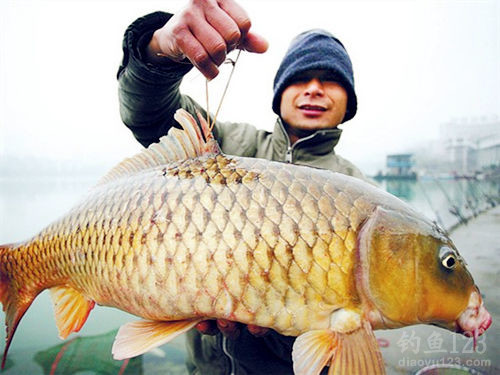

4 Essential Methods for Winter Wild Crucian Carp Fishing: Master the Cold Water Catch
Ah, winter—where the fish seem to disappear, and every angler’s tackle box feels like a lonely sentinel against the frost! I’ve battled those icy days too, standing shivering on the bank, reeling in nothing but cold air. But here’s the secret: winter crucian carp aren’t *gone*—they’re just hiding smarter. With the right techniques, you can turn “winter is a no-go” into “I just landed a 2lb crucian!” Let’s dive into four proven methods that’ll make your winter fishing sessions a success, not a struggle.

1. Choose the Perfect Winter Day: Sun, Warmth, and No Sudden Shocks
First rule: timing is everything. Winter crucian are like tiny Goldilocks—they want water temps just right, not too hot, not too cold. So when’s the sweet spot? Let me tell you from experience: sunny, warm, and stable weather is your best friend. Cold fronts? Windy days? Those are the enemy!
Here’s why: Cold air zaps water temp faster than you can say “ice fishing gear.” When a cold front rolls in, even if the sun’s out, the water drops like a rock. Crucian flee to deeper, warmer waters, leaving your hook empty. And windy days? The surface water chills immediately, so fish stay far from the shore. Trust me—I once fished on a “sunny” day after a rainstorm, only to watch my float go dead as a doornail within 10 minutes. Water temp plummeted 4°F in an hour! Lesson learned: avoid days after rain, freezing rain, or sudden wind.
So what *should* you aim for? Consecutive sunny days with mild temps (above 45°F if possible). The sun warms the water slowly, and crucian feel safe enough to feed. Watch the weather app like a hawk—if the forecast says “windy tonight,” hold off. Even sunny days with wind can cool the water overnight, chasing fish back to deep water. Patience pays off here: pick a day where the sun is bright, the air feels cozy, and the thermometer isn’t plummeting.
- Bad Days: Cold fronts, windy conditions, days after rain/freezing rain, or temperatures dropping below 40°F.
- Good Days: 2–3 days of sunny, stable weather with temps above 45°F, no sudden wind shifts.
- Pro Tip: Check the water temp with a thermometer (or a handy app!). If it’s 50°F or higher, you’re golden.
2. Tackle Up: Small, Fine, and Crucian-Friendly
Winter crucian are tiny, cautious, and picky—so your gear needs to match their mood. Think “delicate yet powerful.” Here’s how to set it up:
Rod: Long, Soft, and Deep-Water Ready
Why long rods? Because crucian hunker down in deeper water when it’s cold. A 4.5m+ rod lets you reach those warmer depths (the deeper the water, the more stable the temp). I swear by 5.4m rods in winter—they’re like extending your arm into the “crucian comfort zone.”
But length isn’t everything. Soft rod action is key. A soft rod (like a “moderate” or “light” action) bends easily, so you can gently land fish without snapping the line. No need for a stiff “casting monster”—you’re not chasing marlin here! A flexible rod lets you play the fish slowly, too, which is critical for avoiding hook pulls.
Line: Thin, Invisible, and Sensitive
Thin line = happy crucian. Thick line = crucian hiding. In winter, crucian have tiny mouths and weak bites. A 0.8–1.2mm line (fluorocarbon is great for low visibility) is perfect. It’s soft enough to let crucian suck in the bait without feeling resistance, and it transmits light taps to your float. Trust me—I switched from 1.5mm to 1.0mm line last winter, and my catch rate doubled! No more “I saw the float move, but the fish got off” moments.
Hooks, Weights, and Floats: Tiny is Key
Big hooks? Big mistake. Crucian in winter have tiny jaws—they can barely open their mouths enough to eat a large hook. Go for size 3–6 barbless hooks (barbless is gentler, too, for easy release). Small lead weights (1–2g) keep the bait steady without scaring the fish. And floats? Get the smallest you can find—small cross-section, fine tail, and a sensitive tip. A tiny float detects the lightest nibble, which is crucial when crucian only take the bait slowly.
- Rod: 4.5m+ (5.4m preferred), soft/moderate action.
- Line: 0.8–1.2mm fluorocarbon, low stretch.
- Hooks: Size 3–6, barbless (for easy hook removal).
- Weights/Floats: 1–2g lead, tiny floats (1–3g max).
3. Bait That Shouts “Winter Meal!”: Lively & Fragrant
Winter crucian need fuel—they’re burning calories just to stay alive. So their bait has to be high-energy, fragrant, and *alive*. Live bait is your secret weapon here. Let’s break it down:
Live Baits: Red worms (bloodworms), small earthworms, maggots, or even shrimp. These wriggle, move, and release natural scents that crucian can’t resist. I once used fresh red worms and caught 3 crucian in 10 minutes—they’re like catnip for winter fish! Pro tip: Keep live bait in a cool, damp container (like a wet towel in a plastic box) to keep them lively longer.
Commercial Baits: If live bait isn’t your thing, strong-smelling, high-protein commercial baits work. Think garlic, shrimp, or fermented flavors—scents that cut through the cold water. I mix a bit of shrimp paste with flour to make a thick, sticky bait that clings to the hook. It’s not as lively as live bait, but it’s a close second and lasts longer in frigid temps.
Energy Boost: Crucian are slow-moving, so they need bait that’s easy to eat but still feels “prey-like.” Small, compact baits are better than big, clumpy ones. For example, a tiny red worm on a size 4 hook is perfect—no need for anything fancy. If your bait is too big, crucian will just swim past, ignoring it.
Pro move: Pair live bait with a “dip” of garlic-infused water. Garlic is a natural attractant, and crucian go nuts for it. I’ll soak my red worms in a garlic solution for 10 minutes before hooking—game over for those fish!
- Top Live Baits: Red worms (bloodworms), small earthworms, maggots, fresh shrimp.
- Commercial Baits: Garlic-flavored baits, shrimp paste, fermented crucian-specific mixes.
- Rule: Small, lively, and smelly = crucian magnets in winter.
4. Static & Dynamic: The Silent Dance of Winter Fishing
Winter crucian are not just picky—they’re *skittish*. Movements and noise scare them off. So here’s the trick: combine two forces—dynamic luring (moving the bait) and static calm (minimizing disturbance). It’s like a silent ballet!
Dynamic: Keep the Bait “Alive”
Crucian might be cold, but they still love movement. Even a tiny wiggle can trigger a bite. How? Gently twitch your rod tip every 20–30 seconds. Lift the hook slightly, let it drop, then twitch again. This mimics a struggling insect—perfect for crucian, who will dart in to grab a “prey” that’s not too big or fast.
I used to overthink this: “Do I twitch too much? Too little?” But here’s the hack: keep it simple. Just a slow, gentle flick of the wrist—like you’re flicking a fly. You’ll feel the float twitch, then set the hook. It’s not rocket science, but it works. I once caught a 1.5lb crucian just by twitching the tip once every 30 seconds for 5 minutes straight.
Static: Stay Quiet, Stay Still
Winter water is quiet—your noise shouldn’t make it *noisier*. Talk softly, walk quietly, and avoid sudden movements. I wear soft-soled shoes now (no squeaky boots!) and whisper to my fishing buddy. Once, I dropped my phone and a crucian I’d been tracking bolted—never again! Now I tuck the phone in my pocket and move like a ghost.
Also, when reeling in a fish, do it slowly. Don’t yank the rod up and splash—just let the fish come in gently, using the rod’s soft tip to control the line. And when feeding? Use your lead to drop bait near the hook, not toss it. This way, you avoid splashing and keep the crucian calm.
Pro tip: If you feel a bite, wait 2–3 seconds before setting the hook. Crucian have tiny mouths—they need time to suck the bait in fully. Patience here = bigger hookups.
- Dynamic Action: Twitch the rod tip gently every 20–30 seconds; lift the hook 1–2 inches, let it drop.
- Static Rules: Quiet voices, soft steps, slow reeling, and lead-dropped bait (no hand-thrown lures).
- Key: Mimic a calm, undisturbed environment—crucian won’t bite if they sense danger.
Alright, that’s the four-pack! I’ve tested these methods in freezing temps, and they work. Remember: winter crucian are just waiting for the right conditions, tackle, bait, and technique. So grab your gear, pick a sunny day, and go prove that winter isn’t a fishless season—it’s a season of *smart* fishing. And hey, if you catch a big one, send me a pic—I’ll be jealous (but happy for you!). Tight lines, and stay warm out there!