3 Proven Methods for Night Fishing Big Crucian Carp in Spring
Let’s be real—spring fishing for crucian carp (those feisty, tasty freshwater fish) can feel like a total rollercoaster. One day the sun’s blazing, the next the wind’s howling, and if you’re not careful, you’ll end up staring at a still float for hours. But here’s a secret: night fishing in late spring is where the magic happens. I’ve spent more nights than I care to admit chasing big crucians, and after testing every trick in the book, I’ve narrowed it down to three game-changing methods. Let’s dive in—no fancy jargon, just real talk from someone who’s caught (and lost) their fair share.
Why Spring Nights Are *Actually* Better for Big Crucians
First, let’s debunk the myth: spring days suck for crucian carp fishing. Hear me out. Late spring (think April to early May) brings wild temperature swings—25°C+ during the day, dropping to 10°C at night. Crucians are cold-blooded, so they chase warm water like it’s gold. During the day, shallow spots heat up fast, so they’ll hang out in the upper water column, sunning themselves instead of eating. But when the sun goes down? Everything changes.
Here’s the science (but make it fishing bro): air cools way faster than water. By nightfall, the water temperature stabilizes, and the air pressure jumps—meaning more oxygen dissolves into the water. Crucians love oxygen, and with the daytime chaos (wind, noise, bright sun) gone, they finally feel safe to venture into shallow, food-rich areas. I once fished a spot on April 9th—10-26°C day, 5-6 mph southwest wind that died at 5 PM. Used a 2.7m rod, 1lb mainline, 0.6lb leader, size 2 hook, and red worm dough. Caught 60+ big crucians by midnight—*three times more than my buddy who fished the same spot during the day*. No joke—night fishing is a cheat code here.
Method 1: Pick the *Right* Spot (This Is Non-Negotiable)
You can have the best gear and bait in the world, but if you’re fishing the wrong spot, you’ll go home empty-handed. Late spring night fishing for crucians is all about food, warmth, and safety. Here’s what to look for:
1.1 The “Dead-End Cove” Hack
Dead-end coves (where the water stops at a dam, bank, or steep slope) are crucian goldmines. Why? Because they’re shallow (usually under 1.5m), so the water warms up quickly but stays stable at night. Plus, if the cove was farmland during low water last year, the submerged crops rot into nutrient-rich gunk—perfect for tiny bugs and algae that crucians love. I always target the *very end* of the cove, not the middle. Last month, I fished a cove end with a muddy bottom and leftover corn stalks—caught 12 crucians in an hour. My friend fished 10m away (the “middle” of the cove) and got zilch. Trust the dead end.
1.2 Weed Edge = Fish Edge
Crucians are skittish—they need cover to feel safe. So look for spots where weeds meet open water (the “weed edge”). Weeds trap oxygen, hide baby fish (crucian snacks), and give them a place to dart if a predator shows up. Avoid thick weed beds (you’ll get snagged nonstop), but a thin line of weeds along the bank? That’s where the big ones hang out. Pro tip: Use a weedless hook if you’re near heavy cover—trust me, you don’t want to spend 20 minutes untangling your line at 10 PM.
1.3 Shallow Is Better (But Not Too Shallow)
I know what you’re thinking: “Shallow? But it’s cold at night!” Wait—water holds heat way better than air. By nightfall, shallow water (1-1.5m) is still warmer than deep water, and crucians know it. I once tried fishing 2m deep and caught nothing. Moved to 1.2m, and within 10 minutes, I had a 1.5lb crucian on the line. Just don’t go shallower than 0.8m—too shallow, and the water gets too cold, or crucians can see you too easily.
Method 2: Gear That *Actually* Catches Crucians (No Overpriced Junk)
You don’t need a $500 rod to catch big crucians at night. But you *do* need gear that matches their behavior. Here’s my go-to setup:
2.1 Rod: Short and Sweet
Crucians are close to the bank at night—they don’t want to venture far from cover. So use a short rod (2.7-3.6m). A longer rod might feel “pro,” but it’s harder to cast accurately in tight spots, and you’ll miss subtle bites. I use a 2.7m carbon rod—light enough to feel tiny taps, but strong enough to haul in a 2lb crucian. Pro tip: Bring a headlamp with a red light—white light scares crucians, but red is invisible to them.
2.2 Line & Hook: Go Light (But Not Too Light)
Crucians have small mouths, so you need light line—but not so light that a big one snaps it. Here’s my setup:
- Mainline: 1lb (0.25mm) monofilament (strong enough for big crucians, thin enough to not spook them)
- Leader: 0.3-0.6lb (0.18-0.22mm) fluorocarbon (invisible underwater, better abrasion resistance)
- Hook: Size 3-4 Japanese-style hook (sharp, small enough to fit in a crucian’s mouth, strong enough to hold)
Last year, I used a 0.8lb leader and lost a 2lb crucian—snapped like a twig. Switched to 0.6lb, and haven’t lost a big one since. Balance is key.
2.3 Float: Small and Sensitive
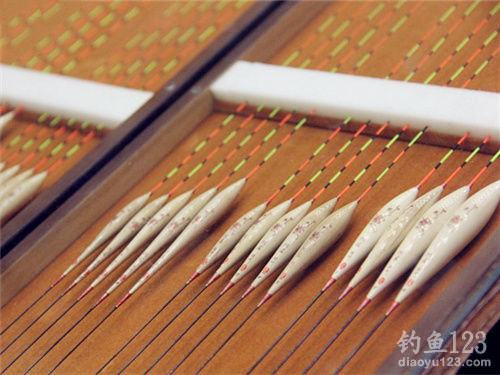
Crucians don’t slam the bait like bass—they nibble, pick it up, and move. So you need a small, sensitive float. I use a long-foot, thin-tail float (1-2g buoyancy). It’s light enough to feel a tiny tap, but stable enough to stay upright in light wind. My go-to setup: empty hook, half-water, set float to 4 eyes, fish 1.5-2.5 eyes. That’s “fishing sensitive”—you’ll feel every little bite. Pro tip: If the water’s calm, use a smaller float (1g); if it’s windy, go 2g.
Method 3: Bait That Makes Crucians Go Crazy (Mix It Up)
Crucians are picky—especially in late spring. They want protein, but they also want something that smells like food. Here’s the secret: mix live bait with dough (aka “meat and bread”). Live bait (worms, maggots) is irresistible, but dough attracts fish from far away. Here are my two go-to recipes:
3.1 Red Worm Dough (The “Killer” Recipe)
This is my #1 bait—no question. Here’s how to make it:
- Mix 2 parts “Red Worm Crucian Bait” (store-bought), 1 part “Scented Lake & River Dough,” 1 part “Quick-Attack Dough,” and a pinch of “Antarctic Shrimp Powder” (adds extra scent).
- Add 10-15 live red worms (cut into small pieces—gross, but effective).
- Mix in water (1:1 ratio) and let sit 5-10 minutes. Add a little “Puller Powder” (glue) if it’s too sticky.
Why this works? The worms give it a natural taste, and the dough releases scent into the water. I once used this and had a crucian bite within 2 minutes of casting. Pro tip: Don’t overmix—you want some worm pieces to be visible.
3.2 Earthworm Dough (For When Worms Are Hard to Find)
If you can’t find red worms, use earthworms. Here’s the trick: melt the worms with sugar (gross, but genius). Here’s how:
- Put 5-10 earthworms in a bowl, cover with 2 tablespoons of sugar. Let sit 30 minutes—they’ll turn into a slimy liquid.
- Mix the same dough as above (Red Worm + Lake + Quick-Attack + Shrimp Powder).
- Add the worm liquid to the dough instead of water. Mix and let sit 5-10 minutes.
Last month, I forgot my red worms and used this—caught 8 crucians in 2 hours. The sugar breaks down the worms into a scent that crucians can’t resist. Just don’t tell your wife you’re melting worms on the kitchen counter—trust me.
3.3 No Spoon-Feeding! (The Big Mistake)
Here’s a mistake 90% of anglers make: feeding too much. Crucians are small, so they don’t need a lot of food. If you throw a handful of feed into the water, they’ll eat that and ignore your bait. My rule: no pre-feeding. If you must feed, use a feeder (not your hand) and put *less than 25g* (about a tablespoon) of feed. Last year, I fed 50g and caught 3 crucians. Fed 20g and caught 15. Less is more—seriously.
My Night Fishing Routine (Step-by-Step)
Let’s make this easy. Here’s what I do every time I go night fishing for crucians:
- Arrive 1 hour before sunset (scout the spot, set up gear—no rushing in the dark).
- Pick the dead-end cove or weed edge (shallow, 1-1.5m deep).
- Set up my rod (2.7m, 1lb mainline, 0.6lb leader, size 3 hook, 1.5g float).
- Make my red worm dough (mix, add worms, let sit).
- Cast 1-2m from the bank (crucians are close at night).
- Wait for the bite (look for a tiny tap, then a slow lift or drop—don’t jerk the rod!)
- Reel in slow (crucians fight hard—don’t let them break the line).
Pro tip: Bring a chair, a warm jacket (it gets cold at night!), and a thermos of coffee. You don’t want to be shivering while waiting for a bite.
Final Thoughts: It’s All About Patience (And a Little Luck)
Let’s be honest—fishing isn’t about catching 100 fish every time. It’s about being outside, watching the stars, and that split second when you feel a tug on the line. Last month, I fished for 3 hours and caught nothing. Then, at 11 PM, I felt a tiny tap—reeled in, and had a 2lb crucian (my biggest ever). Was it luck? Maybe. But it was also because I followed these three methods: right spot, right gear, right bait.
So next time you’re frustrated with spring day fishing, grab your gear, head out at sunset, and give night fishing a try. You might just come home with a cooler full of crucians—and a story to tell. And if you don’t? Well, at least you got to watch the moon rise over the water. That’s worth it, right?