Winter Fishing Bait Recipes & Pro Tips: Catch More Fish When It’s Cold
Let’s be real—winter fishing is not for the faint of heart. The wind’s howling, your fingers are numb, and half the time you’re wondering if the fish even know you’re there. But here’s the thing: when you nail the right setup and bait, those icy days turn into magical “I can’t believe I caught that” moments. I’ve spent way too many weekends freezing my toes off to figure this out, so trust me—these tips aren’t just random stuff I Googled. They’re battle-tested. Let’s dive in.
First Rule of Winter Fishing: Keep Your Tackle Tiny (No, Seriously—TINY)
Back in spring, I’d rock a heavy rod and thick line like it was my job. But winter? That’s a one-way ticket to scaring every fish within a 10-foot radius. Why? Because when the water’s freezing, fish turn into couch potatoes. They don’t swim far, they don’t fight hard, and their bites are so subtle you might miss them if you blink. So your tackle needs to be as stealthy as a ninja.
What “Tiny” Actually Means for Your Setup
Let’s break this down—no fancy jargon, promise. Your hook, line, float, and weight all need to work together like a tiny, well-oiled machine. Here’s the lowdown:
- Hook size: Think size 14–18 for panfish (bluegill, crappie) and size 10–12 for small bass or catfish. If you can barely see the hook, you’re on the right track.
- Line: 2–4 lb test monofilament is your BFF. Thicker line? The fish will spot it instantly and ghost you. Thinner line? It’s barely visible, and the fish won’t even flinch.
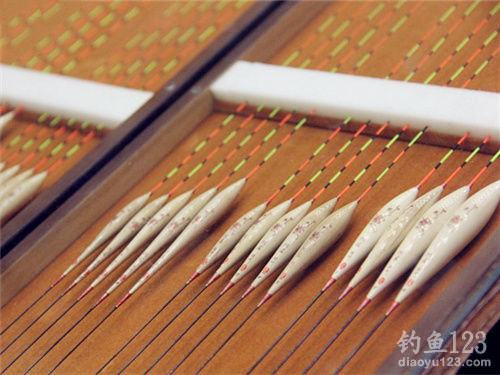
- Float (bobber): Go for a tiny, sensitive one—like a 1-inch foam float or a slip bobber. Big floats? Forget it. They’ll move so much in the wind you’ll never tell if it’s a fish or a gust.
- Weight: Just enough to get your bait down—maybe a split shot or two. Too much weight, and your bait drags the bottom like a lead balloon. Too little, and it’ll float away before a fish can take a bite.
And here’s a pro move: don’t over-tighten your drag. Winter fish don’t fight hard, but if you set it too tight, you’ll snap your line faster than you can say “fish on.” I learned this the hard way last year when I hooked a 12-inch crappie and watched it swim away because my drag was cranked too tight. Ouch.
Why “Dull” (Not “Sharp”) Floats Work Better in Winter
Wait, what? You’re telling me to use a less sensitive float? Hear me out. In winter, fish bites are so soft—like a feather brushing your line. If your float is too sensitive, every tiny current or breeze will make it dance, and you’ll end up yanking your rod at nothing 90% of the time. I used to use a super-sensitive float and missed so many bites I wanted to throw my rod into the lake. Now I use a slightly duller float, and I only lift my rod when the float dips—no more false alarms. Game. Changer.

Winter Bait 101: It’s All About the “Stink” (Wait, No—“Scent”)
Okay, let’s get real: winter fish are picky. They don’t want your fancy, neon-colored lures. They want food that smells like home—something they’ve eaten a million times before. So forget the “new and improved” baits. Stick to what works, and crank up the scent.
Live Bait: The Winter MVP (No, Not the Fancy Stuff)
Live bait is non-negotiable for winter fishing. Fish are looking for high-protein snacks to bulk up for the cold, and live bugs or worms are perfect. Here are my top picks:
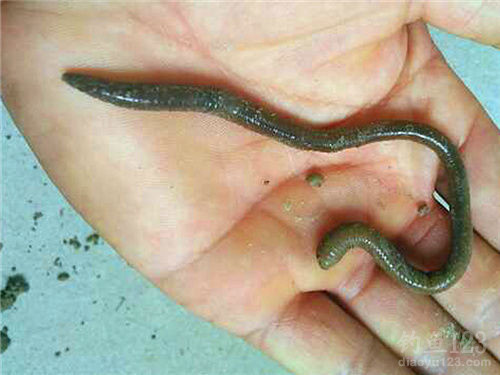
1. Red Worms (The OG Winter Bait)
Red worms are like candy for panfish and small bass. But here’s a hack: feed your worms blood meal or liver for a week before you go fishing. This makes them extra stinky (in a good way) and way more attractive. Last month, I used a blood-fed worm and caught 10 crappie in 2 hours—my buddy used a regular worm and caught 2. He still hasn’t let me live it down.
2. Wax Worms (For the Tiny Fish)
If you’re targeting bluegill or small crappie, wax worms are your jam. They’re tiny, wiggly, and fish go crazy for them. I usually thread 2–3 wax worms on a size 16 hook—just enough to make them look like a tasty snack. Pro tip: keep them in a cool, dark place (like your tackle box in the trunk) so they stay alive longer. If they die, they’re useless.
3. Minnows (For the Big Boys)
If you’re after bass or catfish, minnows are the way to go. Hook them through the lips or the back (so they swim naturally) and let them drift in the water. Last winter, I caught a 3-pound bass using a minnow—my hands were so cold I could barely hold the rod, but it was worth it.
Store-Bought Bait: How to Make It Work (Without Wasting Money)
Let’s be honest: sometimes you don’t have time to dig for worms or buy minnows. Store-bought bait is okay, but you have to be smart about it. Here’s what to look for:
- Smell is everything: Pick baits that smell like garlic, anise, or shrimp. Fish love these scents—they’re like a dinner bell.
- Stick to what you know: If you’ve used a certain brand before and it worked, don’t switch. New baits are risky—especially in winter. I once tried a “new and improved” garlic bait and caught nothing. Went back to my old brand, caught 5 fish in 30 minutes.
- Keep it simple: Don’t mix 5 different baits together. That’s like serving a fish a pizza with 10 toppings—they’ll be confused and swim away. Stick to one main scent and maybe one small addition (like a little corn for sweetness).
And here’s a secret: store-bought bait dries out fast in the cold. Keep it in a sealed container with a damp paper towel to keep it fresh. I learned this when my bait turned into a rock-hard brick last year—total waste of money.
Pro Tips to Make Your Winter Fishing Trip Less Miserable (And More Successful)
Okay, so you have the right tackle and bait. Now what? Here are a few extra tips to make your day better:
1. Fish Slow (Like, Really Slow)
Winter fish don’t chase food. They wait for it to come to them. So cast your bait, let it sit for 5–10 minutes, then slowly reel it in a few inches. Repeat. I used to cast and reel like crazy, and I caught nothing. Now I fish slow, and I catch way more fish. Patience is key—even if you’re freezing your butt off.
2. Find the Warm Spots
Fish like warm water (duh). So look for spots where the water is a little warmer—like near a drain, a shallow bay, or a sunken log. Last winter, I found a spot near a warm water drain and caught 15 crappie in an hour. My buddy was fishing 10 feet away and caught nothing. Score.
3. Dress Warm (But Don’t Overdo It)
You don’t want to be so bundled up you can’t cast. Wear layers: a moisture-wicking base layer, a fleece middle layer, and a waterproof outer layer. Don’t forget gloves (I use neoprene gloves—they keep my hands warm and dry) and a hat. I once forgot my hat and my ears were so cold I could barely think. Not fun.
Oh, and bring a thermos of hot cocoa. Trust me—sip that between casts, and you’ll feel like a million bucks. Even if you don’t catch a fish, hot cocoa makes everything better.
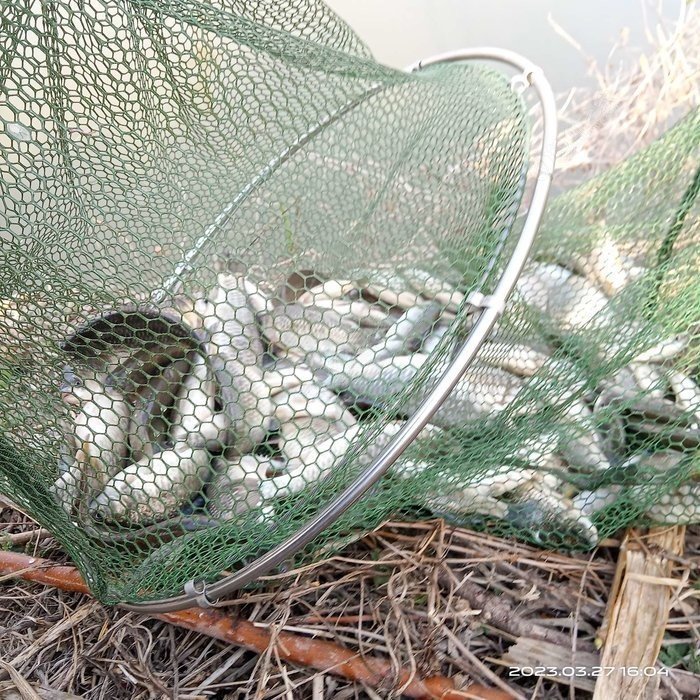
Last week, I went fishing with my buddy Jake. It was 28 degrees, and the wind was blowing so hard I could barely stand. But we used tiny tackle, red worms fed with blood meal, and fished slow. By the end of the day, we had 12 crappie and 2 small bass. Jake kept saying, “I can’t believe this works!” Yeah, buddy—winter fishing isn’t just about freezing. It’s about outsmarting the fish. And when you do? It’s the best feeling ever.
So next time you’re itching to fish in winter, don’t give up. Grab your tiny tackle, load up on scented bait, and take it slow. You might just catch the fish of your dreams (or at least enough for a fry). And if you do? Tag me in your photos—I’d love to see your haul. Happy fishing!