


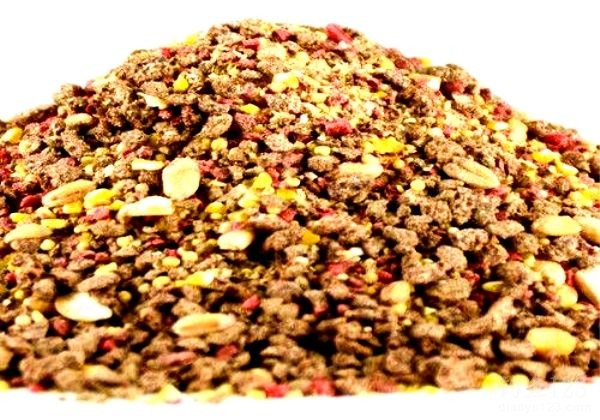
Introduction: The Quest for the Perfect Carp Bait in Guangdong and Guangxi Rivers
If you’re a carp angler chasing those trophy fish in the rivers of Guangdong and Guangxi, you know the struggle—these carp are smart, picky, and they’ve seen every basic bait under the sun. I’ve spent countless weekends wading through muddy banks, testing bucketloads of mixes, and swapping stories with local anglers to crack the code of what actually works here. Spoiler: It’s not just about throwing any old bait into the water. The right combination of base mixes, flavor boosters, and even a little secret sauce (read: effective additives) can turn a slow day into a carp-catching spree. Let’s dive into the nitty-gritty of the best carp fishing baits tailored for these southern Chinese rivers.
Why Bait Selection Matters for Guangdong & Guangxi River Carp
Carp in Guangdong and Guangxi rivers have unique feeding habits shaped by the region’s warm climate, abundant natural food sources (like aquatic plants, insects, and small crustaceans), and the constant flow of the water. Unlike static pond carp, river carp are more active and require baits that not only attract them from a distance but also hold their attention long enough to get a bite. A bad bait mix might get a few curious nibbles, but it won’t keep the carp coming back—or sticking around to eat. That’s why understanding the right balance of ingredients, flavors, and textures is non-negotiable.
Key Principles for River Carp Bait Success
- Attractiveness: The bait needs a strong, natural scent to cut through the river current and draw carp in.
- Palatability: Once the carp are there, the bait must taste good enough to make them bite—and keep biting.
- Durability: River currents can wash away loose baits quickly, so your mix needs to hold together well on the hook.
- Consistency: The bait you use for chumming (pre-baiting the area) should match the bait on your hook to avoid confusing the carp.
Proven Bait Recipes for Guangdong & Guangxi River Carp
After months of testing, I’ve narrowed down three go-to recipes that consistently deliver results. These mixes are designed to target the specific preferences of river carp in this region, combining local favorites with tried-and-true carp-catching ingredients.
Recipe 1: The Classic Local Grain Mix
This mix is a staple among local anglers for good reason—it’s simple, cost-effective, and uses ingredients that carp in these rivers are already familiar with. The key here is the combination of original pond pellets (a nod to the carp’s possible pond origins) and natural grain-based ingredients.
Ingredients (by weight):
- 50% Original Pond Pellets (crushed into small pieces)
- 30% Grain-Based Bottom Bait Mix (think cornmeal, wheat bran, and rice flour)
- 10% Sweet Potato Flour (adds natural sweetness and helps the mix bind)
- 8% Fermented Rice Wine (a local favorite that adds a subtle, irresistible scent)
- 2% Natural Fishmeal (boosts protein content for active river carp)
How to Make It:
- Crush the original pond pellets into a coarse powder—you want some small chunks to add texture.
- Mix the crushed pellets with the grain-based bottom bait mix and sweet potato flour in a large bowl.
- Slowly add the fermented rice wine while stirring until the mix reaches a dough-like consistency. You want it to hold together when squeezed but not be too sticky.
- Let the mix rest for 15-20 minutes to allow the flavors to meld together. If it’s too dry, add a little water; if it’s too wet, add a pinch more sweet potato flour.
Why It Works: The original pond pellets provide a familiar taste, while the grain mix and sweet potato add natural sweetness. The fermented rice wine gives off a scent that travels well in the current, and the fishmeal adds a protein punch that carp love, especially in warmer weather.
Recipe 2: The Protein-Packed Animal Protein Bait
River carp are opportunistic feeders, and they can’t resist a high-protein meal—especially during their active feeding periods. This bait is designed to be the main attraction, with a strong animal protein base that targets carp’s carnivorous side.
Ingredients (by weight):
- 40% High-Protein Carp Bait Mix (commercially available or homemade with fishmeal, shrimp meal, and squid powder)
- 30% Original Pond Pellets (crushed)
- 15% Wheat Germ (adds fiber and helps with digestion)
- 10% Soybean Meal (another protein boost)
- 5% Garlic Powder (a secret weapon—carp love the strong, natural scent)
How to Make It:
- Combine the high-protein carp bait mix, crushed pond pellets, wheat germ, and soybean meal in a bowl.
- Add the garlic powder and mix thoroughly to distribute the scent evenly.
- Slowly add water while stirring until the mix forms a firm dough. Let it rest for 10 minutes.
- Roll the dough into small balls (about the size of a marble) for hook baits, or larger clumps for chumming.
Why It Works: The high protein content satisfies the carp’s energy needs, while the garlic powder adds a strong, distinctive scent that cuts through the river current. This bait is especially effective in the morning and evening when carp are most active.
Recipe 3: The Flavor-Boosted Chumming Mix
Chumming (pre-baiting the area) is crucial for river carp fishing. You need a mix that can be thrown in large quantities to create a feeding zone, without breaking the bank. This recipe is designed for bulk chumming, with a focus on natural flavors that attract carp and keep them in the area.
Ingredients (by weight):
- 50% Original Pond Pellets (whole or lightly crushed—you want some to sink quickly and some to float a little)
- 20% Corn Kernels (canned or boiled—carp go crazy for corn)
- 15% Wheat Bran (light and floats well, making it visible in the water)
- 10% Rice Bran (adds a mild, nutty scent)
- 5% Brown Sugar (sweetens the mix and attracts smaller fish, which in turn draw carp)
How to Make It:
- Combine all the dry ingredients in a large bucket.
- Add a little water to moisten the mix—you want it to clump together when you squeeze it, but not be so wet that it falls apart in your hand.
- Let the mix sit for 30 minutes to allow the sugar to dissolve and the flavors to develop.
- Throw handfuls of the mix into your chosen fishing spot 30-60 minutes before you start fishing to create a feeding area.
Why It Works: The original pond pellets and corn are familiar, natural foods for carp. The wheat and rice bran add volume without costing a lot, and the brown sugar gives off a sweet scent that lures carp from afar. This mix is perfect for creating a “feeding frenzy” that keeps carp in your area.
Secret Additives: The X-Factor for River Carp Bait
Even the best base mix can use a little extra help. In Guangdong and Guangxi, local anglers swear by certain additives that take their bait to the next level. These aren’t your average store-bought flavors—they’re the secret sauces that make carp choose your bait over the competition.
Top Additives for River Carp Bait
- Fermented Rice Wine: As mentioned earlier, this is a local favorite. It has a strong, earthy scent that carp find irresistible. Add 5-10% to your base mix for an extra kick.
- Garlic Extract: Garlic is a universal carp attractant. A few drops of garlic extract in your mix can make a big difference, especially in murky water where scents travel further.
- Aniseed Oil: Aniseed has a sweet, licorice-like scent that carp love. It’s especially effective in warm water, where scents dissipate quickly. Add 2-3 drops per 100g of bait.
- Shrimp Paste: For a protein-rich boost, add a spoonful of shrimp paste to your mix. It adds a strong, savory scent that appeals to carp’s carnivorous side.
The “Secret Sauce” Additive Combination
Local anglers have a trick up their sleeve: mixing fermented rice wine, garlic extract, and a little brown sugar. Here’s how to do it:
- Combine 100ml of fermented rice wine, 5ml of garlic extract, and 1 tablespoon of brown sugar in a small bottle.
- Shake well to mix.
- Add 10-15ml of this mixture per 500g of base bait.
This combination creates a sweet, savory, and slightly tangy scent that carp can’t resist. I’ve used this additive mix with all three of the recipes above, and it’s never let me down.
Seasonal Adjustments: Bait Changes for Spring, Summer, Fall, and Winter
Carp feeding habits change with the seasons, so your bait should too. What works in the hot summer months won’t necessarily work in the cool winter. Here’s how to adjust your bait for each season in Guangdong and Guangxi:
Spring (March-May)
Spring is spawning season for carp, so they’re more active and need lots of protein. Focus on high-protein baits with strong scents. Add extra fishmeal or shrimp paste to your mix, and use garlic or aniseed oil to boost attractiveness.
Summer (June-August)
The weather is hot, and carp are less active during the day (they tend to feed early in the morning or late in the evening). Use lighter, more digestible baits with sweet or fruity flavors. Try adding a little pineapple or banana extract to your mix, or use corn as a hook bait—carp love sweet, juicy corn in the summer.
Fall (September-November)
Fall is feeding season for carp—they’re stocking up on energy for winter. Go back to high-protein baits, but add more natural grains (like wheat or rice) to the mix. The classic local grain mix (Recipe 1) works great here, with a little extra fermented rice wine to boost the scent.
Winter (December-February)
Winter is slow for carp fishing, but you can still catch them. Use heavy, high-calorie baits with strong scents. Try adding extra cornmeal or wheat germ to your mix, and use a lot of fermented rice wine to attract carp from a distance. Fish slowly and be patient—winter carp take their time to bite.
Common Mistakes to Avoid with River Carp Bait
Even with the best recipes, it’s easy to make mistakes that ruin your chances. Here are the top pitfalls to watch out for:
Mistake 1: Using Too Many Flavors
It’s tempting to add every flavor you have to your bait, but this can backfire. Carp are sensitive to strong, conflicting scents. Stick to 1-2 main flavors per mix—for example, garlic and fermented rice wine work great together, but garlic and strawberry might confuse the carp.
Mistake 2: Not Matching the Bait to the Water Conditions
If the water is murky, use baits with strong scents (like garlic or shrimp paste). If the water is clear, use more natural, subtle flavors (like corn or wheat). Adjusting your bait to the water clarity can make a huge difference in how many bites you get.
Mistake 3: Using Loose or Unstable Baits
River currents can wash away loose baits in seconds. Make sure your mix is firm enough to hold together on the hook. If your bait is falling apart, add a little more sweet potato flour or cornmeal to bind it.
Mistake 4: Not Pre-Baiting the Area
Pre-baiting is essential for river carp. If you just throw your hook bait in without chumming, the carp might not even notice it. Spend 30 minutes throwing small clumps of your chumming mix into the water before you start fishing—this creates a feeding zone that keeps carp in your area.
Final Tips for River Carp Bait Success
Before we wrap up, here are a few last-minute tips to help you catch more carp:
- Observe the Water: Watch for signs of carp activity (like bubbles or ripples) and cast your bait near those areas.
- Be Patient: River carp can be slow to bite, especially in the winter. Don’t give up after a few minutes—wait it out.
- Experiment: Every river is different, so don’t be afraid to tweak your recipes. Try adding a new additive or changing the ratio of ingredients to see what works best in your spot.
- Talk to Locals: Local anglers know the rivers best. Strike up a conversation and ask them what baits they use—you might learn a new trick or two.
Conclusion: Your Path to River Carp Fishing Success
Catching carp in Guangdong and Guangxi rivers isn’t rocket science, but it does require a little knowledge and a lot of trial and error. By using the right bait recipes, adjusting for the seasons, and adding a few secret additives, you can increase your chances of landing that trophy carp. Remember to keep it simple, match your bait to the water conditions, and be patient. With a little luck and the right mix, you’ll be reeling in carp like a pro in no time. Now go grab your gear, mix up some bait, and hit the rivers—those carp are waiting!