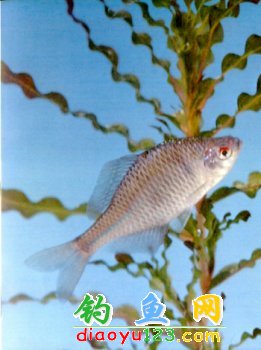
Chinese Weatherfish (Spotted Weatherfish): Everything You Need to Know About the Spotted Bottom-Dweller
Introduction to the Chinese Weatherfish
Imagine standing by a slow-moving river in southern China, the water rippling over smooth stones, and catching a glimpse of a tiny, spotted fish scurrying into the muddy substrate. That’s the Chinese Weatherfish—a little-known but utterly fascinating freshwater resident that most people might overlook, yet plays a crucial role in its ecosystem. Also known as the Spotted Weatherfish, this small benthic fish (a bottom-dweller) is packed with unique traits, from its whisker-like barbels to its camouflaged spots. Let’s dive in and uncover why this fish deserves a spot on your list of “cool river inhabitants”!
Physical Traits: What Makes the Chinese Weatherfish Unique?
Anatomy Breakdown: From Barbels to Tail Spots
The Chinese Weatherfish is a masterclass in subtle adaptations, and its appearance tells a story of survival in the muddy riverbeds. Let’s break down its most distinctive features:
- Four Pairs of Barbels: Those whisker-like structures around its mouth aren’t just for show—they’re like built-in GPS and taste buds! Each barbel is loaded with sensory receptors that help the fish navigate in murky waters, find food hiding in the mud, and even detect vibrations from nearby predators. It’s wild how nature equips these tiny fish with such “super senses”!
- Forked Suborbital Spines: Under its eye, you’ll find a small, forked spine called a suborbital spine. This isn’t just a decorative feature—it’s a defense mechanism! If a predator tries to bite it, the spine can lock out, making the fish less appetizing. Think of it as a tiny, spiky shield.
- Incomplete Lateral Line: Most fish have a full lateral line running along their body, which detects water movements and helps them sense their surroundings. But the Chinese Weatherfish has an incomplete one—only the front part is visible. Scientists think this is an adaptation for its bottom-dwelling lifestyle, where it relies more on its barbels than wide-ranging water sensing.
- Dorsal Fin Placement: The dorsal fin (the one on top) sits roughly halfway between the snout and the tail fin base. This balanced placement helps the fish stay stable while it cruises slowly along the riverbed, avoiding sudden tumbles into the mud.
- Short Tail and Camouflage Spots: Its tail fin is short and either rounded or flat-topped, which is perfect for quick, precise bursts of movement to hide from danger. And then there are the spots! Along its body, you’ll find 10-15 distinct longitudinal spots, plus a unique black spot at the upper base of its tail. These spots aren’t random—they help it blend into the algae-covered riverbed, making it almost invisible to predators like larger fish or birds.

Habitat and Distribution: Where Does the Chinese Weatherfish Live?
Slow Rivers and Muddy Beds: Their Preferred Homes
The Chinese Weatherfish is a true “riverbed resident”—it thrives in slow-moving or still freshwater habitats. Think gentle river sections, ponds, or marshes with soft, muddy bottoms. These environments are like a five-star hotel for the fish: they offer plenty of hiding spots (mud, rocks, aquatic plants) and a buffet of food (tiny invertebrates and algae). You’ll rarely find them in fast-flowing rivers, where the current would make it hard to burrow or find food.
What makes these habitats ideal? The slow current means less energy spent swimming, and the muddy substrate is packed with nutrients. Algae grows on rocks and mud, which the fish nibbles on, while insect larvae, snails, and shrimp hide in the sediment—easy snacks for a bottom-dweller with good sensory skills!
Geographic Range: South of the Yangtze River
Geographically, the Chinese Weatherfish is found south of the Yangtze River in China. That includes provinces like Guangdong, Guangxi, Fujian, and Yunnan, where the subtropical climate and warm, slow rivers create the perfect environment. They’re not as widespread as some fish, but if you visit a river in these regions, you might spot them darting around in the shallows, stirring up sediment with their barbels to uncover food.
Behavior and Diet: How the Chinese Weatherfish Lives and Eats
Daily Routines: Creepy-Crawly and Crepuscular
Unlike some fish that are active all day, the Chinese Weatherfish is crepuscular—most active at dawn and dusk. Why? Because it’s a bottom-dweller, and being active when most predators are resting (or when prey is most active) gives it an edge. During the day, you might find it tucked into a muddy burrow or hiding under a rock, conserving energy for its feeding sprees at night or at dawn.
When it’s time to feed, the fish uses its barbels to “map” the riverbed. It stirs up the mud with its snout, and the barbels detect tiny food particles. Once it locates something interesting—a snail, a shrimp, or a bug larva—it darts forward, grabs it with its mouth, and swallows it whole. It’s like watching a tiny, whiskered excavator at work!
Diet: A Balanced Plate of Algae and Invertebrates
The Chinese Weatherfish has a varied diet, as you’d expect from a bottom-dweller. Its main food sources include:
- Small invertebrates: Mayfly larvae, caddisfly larvae, freshwater snails, and even tiny crustaceans like copepods.
- Algae: Filamentous algae, diatoms, and plant detritus that accumulates on the riverbed.
It’s an omnivore, meaning it balances plant and animal matter for growth and energy. This flexibility helps it survive in different seasons, even when one food source is scarce!
Conservation Status and Ecological Role
Threats and Why They Matter
While the Chinese Weatherfish isn’t currently listed as endangered, it faces real threats from human activities. The biggest danger is habitat loss. As China’s population grows, rivers are being dammed, polluted by agricultural runoff, or turned into reservoirs. Dams disrupt the slow-flowing ecosystems the fish relies on, while pollution (like pesticides or chemicals) can kill the algae and invertebrates it eats.
Urbanization is another issue. Construction near rivers often leads to sedimentation, smothering the muddy riverbeds where the fish burrows. And let’s not forget overfishing—some local fishermen catch them for food, which, while small in scale, can deplete local populations if unregulated.
Why Protecting Them Matters
Even if they’re not “sexy” like pandas, the Chinese Weatherfish plays a huge role in its ecosystem:
- Food Chain Links: It’s prey for larger fish, birds, and mammals, so protecting it helps support the entire river food web.
- Water Quality Indicator: Their presence in a river is a sign of healthy water! If you see them, it means the ecosystem is clean and balanced.
- Ecosystem Engineer: As it moves through the mud, it aerates the sediment, helping other aquatic organisms thrive.
So, saving the Chinese Weatherfish isn’t just about saving one fish—it’s about saving the entire river ecosystem!
Fun Facts About the Chinese Weatherfish
Myths, Trivia, and Quirky Adaptations
There’s so much to love about this tiny fish, including these quirky facts:
- Barbel “Super Senses”: Those 4 pairs of barbels are like built-in night vision! They can detect food in total darkness, using touch and taste to navigate the mud.
- Muddy Escape Artists: If a predator gets too close, the Chinese Weatherfish can burrow into the mud in seconds! Its small size and streamlined body make this escape almost instant. I’ve even heard they can swim backward briefly to get away faster—how cool is that?
- Local Cuisine: In some parts of China, these fish are a delicacy! Fishermen fry them with garlic or chili, and the meat is surprisingly tender. I haven’t tried it, but I’d definitely give it a taste if I ever visited a local market!
- Rain Predictors? Some people in China believe Chinese Weatherfish near the surface mean rain is coming, thanks to changes in atmospheric pressure. While science hasn’t proven this, it’s a fun local legend—maybe they really do sense rain!
Wrapping Up: A Small Fish with Big Personality
After learning all about the Chinese Weatherfish, I can’t help but feel a newfound appreciation for these little spotted wonders. They’re not the flashy, brightly colored fish you see in aquariums, but their quiet, efficient lives in the muddy riverbeds make them essential to their ecosystems. Whether you’re a river enthusiast, a biology lover, or just someone who loves nature, taking a moment to spot one of these fish is like finding a hidden gem in the water.
So, the next time you’re near a slow-moving river in southern China, keep an eye out for their darting silhouettes. They might be small, but they’re mighty—and they deserve our respect and protection. After all, every creature, no matter how tiny, plays a role in the beautiful web of life!