



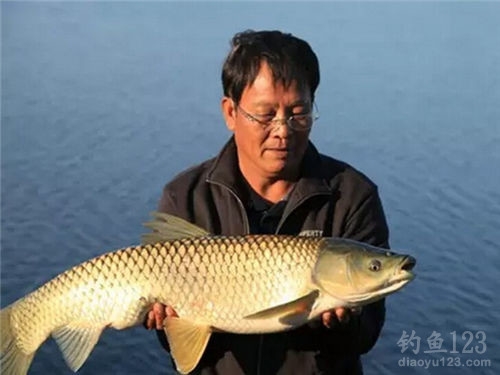
Expert-Recommended Comprehensive Methods for Catching Grass Carp in Reservoirs
Let’s be real—there’s nothing quite like the thrill of reeling in a monster grass carp from a reservoir. These bad boys (scientifically called Ctenopharyngodon idella, but we just call ’em grass carp) can grow to over 10 pounds in the wild, and some even hit 30+ pounds if they’ve got a good food source. If you’ve ever stared at a reservoir’s calm surface wondering how to hook one of these giants, you’re in the right place. I’ve spent years chasing these fish, and I’m spilling all my go-to tips—no fluff, just what actually works.

1. Understanding the Wild Grass Carp’s Lifestyle in Reservoirs
First things first: you can’t catch a fish if you don’t know what makes it tick. Grass carp are herbivores by nature, but don’t let that fool you—they’re not picky eaters when the mood strikes. In reservoirs, their diet usually revolves around:
- Fresh aquatic plants (think water weeds, duckweed)
- Overhanging tree leaves or fruit that falls into the water
- Local corn kernels (the sweet stuff, not the dried feed kind)
- Occasional insect larvae that munch on plants (they’ll snack on these too)
Here’s a pro tip: big grass carp (10+ pounds? Yes, they exist) love hanging out in the upper-middle depths of deep water. They’re skittish, so they’ll stick to areas with cover—like submerged logs or weed beds—until they feel safe to feed. And let’s talk about their appetite: these guys eat a lot. Like, “I could devour a bucket of corn in an hour” a lot. That’s why “bait and wait” never works—you need to lure them in and keep them there.
My rule of thumb? Small, frequent bait additions instead of a huge initial chunk. Toss a handful of corn or grass clippings every 15-20 minutes. It keeps the scent trail fresh and makes the carp think there’s a steady food source—they’ll stick around longer, giving you more bites.
2. Gear That Actually Works for Reservoir Grass Carp
Let’s get one thing straight: grass carp have thick, tough mouths. You can’t use a tiny hook and light line—you’ll just pull the hook out or snap the line. Here’s my breakdown for gear that won’t let you down:
2.1 Hooks: Go Thick, Go Strong
For grass carp under 10 pounds, I swear by size 4-6 Iseama or Chinu hooks (they’re super popular in Asia, but you can find them online). They’re thick, sharp, and have a wide gap that hooks into the carp’s thick lips without slipping. For monsters over 10 pounds? Step up to size 2-4 Iseama—the bigger gap handles those giant mouths better.
Pro move: Barbless hooks are optional, but I prefer them. They’re easier to remove (good for catch-and-release) and cause less stress to the fish. Just make sure your hook set is sharp—no lazy jerks!
2.2 Line: Don’t Skimp on Strength
Grass carp fight hard—they’ll run straight for submerged logs or weed beds to break your line. Here’s what I use:
- Main line: 4-6 lb monofilament (fluorocarbon is too stiff for big runs—stick to mono for flexibility)
- Leader: 3-5 lb fluorocarbon (it’s invisible underwater, which spooks fewer carp)
Wait, why fluorocarbon for the leader? Because grass carp have great eyesight. Mono is visible in clear reservoir water, but fluorocarbon sinks and blends in. Trust me—this small change has doubled my bites in clear lakes.
Another gear hack: Adjust your leader length based on the bottom. If the reservoir has a smooth, weed-free bottom? Use a 2-24 inch leader—longer leaders let the bait move more naturally. If there are tons of logs or rocks? Keep it to 12-16 inches—shorter leaders mean less chance of getting tangled (I’ve lost 3 rods this way—learn from my mistakes).
2.3 Rods: Tough Enough for Big Runs
You don’t need a $50 rod, but you do need something with backbone and flexibility. My go-to is a 5.4-6.3 meter carbon-fiberglass hybrid rod. Carbon is light (great for casting all day), and fiberglass adds flexibility to handle those monster runs. Avoid super stiff rods—they’ll snap when a 20-pound carp bolts for the deep.
Pro tip: Match your rod to the reservoir size. If it’s a small, shallow reservoir? 5.4 meters is fine. If it’s a giant, deep reservoir with tons of open water? Go 6.3 meters—you’ll need the extra reach to cast to those far-off weed beds where the big carp hide.
3. Bait: The Secret Sauce for Grass Carp
Grass carp are picky—they’ll turn their noses up at bad bait faster than a cat ignores a dry food bowl. Here’s the lowdown on what works (and what doesn’t):
3.1 Seasonal Bait: Change It Up or Fail
This is the #1 mistake new anglers make: using the same bait year-round. Grass carp’s diet changes with the weather—adapt or go home empty-handed.
3.1.1 Summer & Fall: Stick to Veggies (They’re Obsessed)
When the water’s warm (70-85°F), grass carp are all about fresh, sweet veggies. My top picks:
- Fresh corn kernels (soak in vanilla extract or honey for 30 minutes—game changer)
- Pumpkin flowers (pick them fresh from the garden—they’re like candy to carp)
- Water weeds (tie a small bunch to your hook—natural = unbeatable)
- Fermented cornmeal (mix cornmeal, water, and a splash of beer—let it sit for 2 days. The sour smell drives carp wild)
Pro hack: Don’t use store-bought “grass carp bait”. Most of it’s full of chemicals that carp hate. Stick to natural stuff—they’re herbivores, remember?
3.1.2 Winter & Early Spring: Add Some Protein
When the water’s cold (below 65°F), grass carp slow down—they need more protein to stay warm. That’s when live bait works magic:
- Red worms (thread a few on your hook—they wiggle, which carp can’t resist)
- Crickets or grasshoppers (catch ’em in the yard—grass carp love the crunch)
- Mealworms (cheap, easy to store, and carp go crazy for ’em)
Quick note: Don’t use dead bait in cold water. Grass carp can smell it, but they won’t go near it—they prefer moving, live food when it’s chilly.
3.2 Bait Prep: Small Details = Big Bites
Even the best bait won’t work if you mess up the prep. Here’s what I do:
- For corn: Boil it for 5 minutes (softens it so the hook sticks), then soak in vanilla/honey for 30 minutes. The sweet smell travels far in water.
- For live bait: Keep it in a damp container (worms in a moss bag, crickets in a jar with grass). Dry bait = dead bait = no bites.
- For weeds: Tie a small bunch (2-3 inches) to your hook with fishing line—don’t use too much, or the carp will just eat the weeds without taking the hook.
4. My Go-To Reservoir Grass Carp Rig (That Never Fails)
Okay, let’s get practical. Here’s the rig I use 90% of the time—it’s simple, effective, and works for all sizes of grass carp:
- Tie a swivel to the end of your main line (prevents line twist from big runs).
- Attach a 20-30 inch fluorocarbon leader to the swivel.
- Tie a size 4 Iseama hook to the end of the leader.
- Add a small split shot 6-8 inches above the hook (just enough to sink the bait to the upper-middle depth—grass carp don’t feed on the bottom).
Pro tip: Adjust the split shot based on current. If the reservoir has a strong current, add a tiny bit more weight to keep the bait from drifting too fast. If it’s calm, use just one split shot—you want the bait to float naturally.
5. Common Mistakes to Avoid (I’ve Made All of These)
Let’s be honest—we all mess up. Here are the 5 mistakes I see new anglers make every single time:
- Mistake 1: Using too heavy a weight (sinks the bait to the bottom—grass carp don’t feed there!)
- Mistake 2: Casting too close to the shore (big carp hide in deep water—cast 20+ feet out if you can)
- Mistake 3: Yanking the rod when you get a bite (grass carp have thick lips—you need a sharp, quick hook set (not a yank) to pierce through)
- Mistake 4: Not being patient (grass carp take 10-15 minutes to find your bait—don’t reel in after 5 minutes!)
- Mistake 5: Wearing bright clothes (grass carp have great eyesight—stick to earth tones (brown, green, black) to blend in)
Trust me— I’ve lost 10+ big carp because I was in a hurry to reel in. Patience is everything with these fish.
Final Thoughts: It’s All About Adapting
Here’s the thing: no single method works for every reservoir. I’ve fished reservoirs in Texas where grass carp only eat corn, and reservoirs in Minnesota where they only eat water weeds. The key is to observe first, then adapt.
Next time you hit the reservoir:
- Look for overhanging trees (fruit falls here—carp love it)
- Watch for bubbles (grass carp blow bubbles when they feed—follow the bubbles!)
- Try 2-3 different baits if the first one doesn’t work (don’t be stubborn)
And hey—if you don’t catch anything? No big deal. Half the fun is being out on the water, watching the sun set, and hoping that next bite is the big one. I’ve spent entire days without a bite, but the days I do land a monster? Worth every minute.
Got a secret grass carp tip? Drop it in the comments below—I’m always looking for new tricks. Tight lines, and happy fishing!


