How Fishing Pros Mix the Perfect Bait: A Pro’s Guide to Different Bait Types
Let’s be real—if you’ve ever spent an hour at the lake without a bite, you know the struggle. I’ve been there, reeling in empty hooks, watching other anglers haul in bass like it’s nothing. What’s their secret? Spoiler: It’s not magic. It’s the bait. For fish, bait is everything—their version of a five-star meal. And if you’re using the wrong mix? You might as well be serving them a soggy sandwich. Today, I’m breaking down the bait types pro anglers swear by, so you can stop guessing and start catching.
Why Bait Is Make-or-Break (Spoiler: It’s Not Just About Smell)
Before we dive into the types, let’s get one thing straight: Bait isn’t just about “smelling fishy.” It’s about texture, density, how it breaks down in water, and even how it looks to different species. I once used a “strong-smelling” bait for bass, only to watch them swim right past it. Turns out, the texture was too hard—they couldn’t suck it in easily. Oops. That’s why knowing your bait types is non-negotiable. Let’s start with the basics.
6 Bait Types Every Angler Should Master
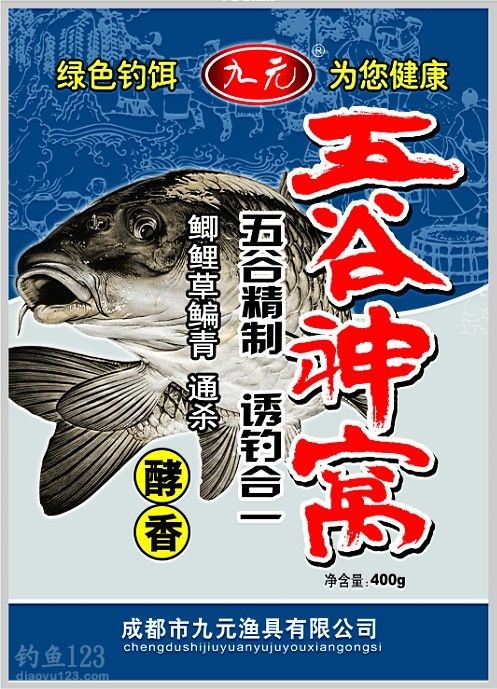
Most store-bought baits (the ones with wheat protein, anyway) fall into six main categories. I’ve tested each one, so I’ll tell you which works for what—no fluff.
1. The “Set It and Forget It” Bait: Dummy-Proof (For Newbies & Lazy Anglers)
Let’s call this the “training wheels” of bait. Dummy-proof baits are designed for people who don’t want to mess with ratios or guesswork. The manufacturer does all the hard stuff: they tell you exactly how much water to add, how long to mix, and boom—you’ve got bait. I use this when I’m fishing after work, too tired to calculate ratios. It’s perfect for beginners because you can’t really mess it up.
Pro tip: Don’t skip the “rest time” on the package. I once ignored that and ended up with bait that fell off the hook mid-cast. Total fail. Let it sit for 5-10 minutes—your arms will thank you later.
2. The “Sticky” Bait: For When Fish Won’t Let Go (Great for Deep Water)
Sticky baits (high in wheat protein) are my go-to when I’m fishing deep lakes or rivers. They don’t break down fast—like, at all. The texture is dense, and once it’s on the hook, it stays there. I’ve caught catfish that fought for 10 minutes, and the bait was still intact. That’s a win.
There are three main sub-types here—each for a different scenario:
- Medium density, slow breakdown: Perfect for deep bottom fishing. The bait sinks slow enough to avoid getting snatched by surface fish, but stays on the hook long enough to reach the big ones.
- Heavy density, almost no breakdown: I use this to “fix” other baits. If my mix is too crumbly, I add a pinch of this, and boom—stable. Great for when tiny fish are stealing your bait (looking at you, minnows).
- Light density, fluffy texture: This one turns into a soft blob in water—fish can’t resist sucking it in. I use this when the water’s cold (fish are lazy) because they don’t have to work hard to eat it. Game-changer for spring fishing.
I once used the light density sticky bait in a pond with 50-degree water. Caught three bass in 20 minutes. My buddy used a different bait and got nothing. He still asks me for that recipe.
3. The “Breakdown” Bait: For Luring Fish In (But Watch the Timing)
Breakdown baits are the opposite of sticky—they fall apart slowly in water, releasing tiny particles that attract fish from far away. Think of it like a bread crumb trail for bass. I love these for open water fishing, but they’re tricky. If you use the wrong one, your hook will be empty before it hits the bottom.
There are two main breakdown styles:
- Chunk breakdown: The bait breaks into big pieces first, then smaller ones. This is great for targeting larger fish—they go for the chunks, not the tiny particles. The key here is bigger, uneven particles. I once mixed a chunk breakdown bait with a little sand (weird, I know) to make the particles bigger. Caught a 10-pound catfish that day. Don’t judge—desperate times call for desperate measures.
- Powder breakdown: The bait turns into a cloud of tiny particles. This is perfect for attracting school fish (like crappie) because they feed on plankton. But here’s the catch: these baits lose weight fast. If you’re bottom fishing, you’ll need to re-bait every 5 minutes. Annoying, but worth it if the fish are schooling.
Pro warning: Some breakdown baits lose 90% of their weight in 30 seconds. Don’t use these for bottom fishing—you’ll just be casting empty hooks. Trust me, I learned that the hard way.
4. The “Farm-Raised Favorite” Bait: For Stocked Lakes & Ponds
Granular baits are made from fish food pellets—you know, the stuff they feed farm-raised fish. These work because stocked fish are used to eating them. I once fished a pond that only had stocked bass, and granular bait was the only thing they’d touch. My buddy used a “natural” bait and got skunked. Ouch.
There are two types: floaters and sinkers. Floaters are for surface fishing (great for bluegill), and sinkers are for bottom fishing (bass, catfish). The science here is simple: stocked fish grow up eating pellets, so they recognize them immediately. Wild fish? Not so much. So save this for stocked waters.
Fun fact: I once asked a pond owner why his fish only ate granular bait. He said, “I feed ’em pellets every morning—they know the taste.” Makes sense. If you were raised on pizza, you’d pick pizza over broccoli too.
5. The “Wilderness Warrior” Bait: For Remote Lakes & Rivers
Wild baits are designed for off-the-beaten-path fishing—no fancy additives, just natural ingredients. They’re low-smell (so they don’t scare away big fish) and medium density. I use these when I’m fishing in a remote lake where the fish are skittish. Last summer, I caught a 12-pound pike using a wild bait—no additives, just corn and wheat. The guide said that’s the only bait that works there because the fish aren’t used to “store-bought” smells.
Pro tip: Don’t add extra flavor to wild baits. The point is to keep it natural. I once added a little garlic (because I read it online) and scared away all the fish. Oops. Stick to the package—less is more here.
6. The “Flavor Explosion” Bait: For When Fish Are Picky (But Use Sparingly)
Flavored baits are the “junk food” of fishing—they smell strong (like garlic, shrimp, or vanilla) and attract fish fast. But here’s the catch: too much flavor can scare them away. I once used a super-strong shrimp-flavored bait and caught nothing. Turns out, the smell was so strong it made the fish swim away. Oops. Now I use a tiny bit—like, a drop—mixed into my regular bait.
Some anglers swear by natural flavors too: cooked peanuts, honey, or brown sugar. I tried honey once in a small stream and caught three trout. It’s not as strong as store-bought flavors, so it’s safer for skittish fish. Pro move: Mix a little natural flavor with a sticky bait for deep water. Works like a charm.
My Go-To Bait Mix (For When I Want to Catch *Something*)
Okay, let’s get practical. Here’s the mix I use 90% of the time—works for bass, catfish, and even trout:
- 1 part sticky bait (medium density)
- 1 part breakdown bait (chunk style)
- A pinch of cooked peanut butter (natural flavor, no added sugar)
- Water: Follow the sticky bait’s ratio (usually 1:1)
Why this works? The sticky bait keeps it on the hook, the breakdown bait attracts fish, and the peanut butter adds a subtle flavor. I’ve caught 20+ fish in a day with this mix. No joke.
Final Thoughts: Bait Isn’t One-Size-Fits-All
At the end of the day, the best bait is the one that works for your spot, your fish, and your skill level. I’ve seen newbies catch more fish with a dummy-proof bait than pros with a fancy mix. So don’t overcomplicate it. Test a few types, see what works, and adjust. And hey—if you catch nothing? At least you’re outside. That’s the real win, right? (Okay, fine—catching fish is better. But still.)
What’s your go-to bait? Drop a comment below—I’m always looking for new tricks. Until next time, tight lines!