How to Catch Carp After Jingzhe (Awakening of Insects) – A Practical Guide
Let’s be real: After Jingzhe (the Awakening of Insects solar term), carp start waking up from their winter slumber, and every angler’s ears perk up. But wait—carp are tricky creatures, right? They’re bottom feeders, omnivores, and super sensitive to water temp and weather. If you’ve ever cast your line and got nothing but frustration, you’re not alone. I’ve been there too! Let’s break down everything you need to know to land those spring carp, no fancy jargon—just real tips from someone who’s spent way too many weekends by the water.

First: Understand Carp’s Spring Habits (The Basics You Can’t Skip)
Before we dive into tactics, let’s get one thing straight: Carp don’t just “start eating” after Jingzhe. They’re finicky! Here’s what you need to know about their spring behavior:
- Water temp is everything: Carp love 15–20°C (59–68°F). If it’s below 15°C? They’re still sluggish. Above 30°C? They’ll slow down too. Spring’s tricky because temps fluctuate—so you’ve got to pick days when it’s steady around 20°C.
- Weather matters more than you think: Sunny, calm days are gold. Rainy days with rising water? Even better (carp love new food washed in!). But hot, humid days? Skip ’em. Big temp swings? Forget it—carp hide deep.
- They’re bottom feeders… duh: But after winter, they’re looking for easy meals. Think: bugs, algae, and anything that’s been sitting in the mud all season.
Pro tip: If the water’s murky after rain? Don’t panic—carp actually feel safer in cloudy water, so they’ll venture out more.
1. The Most Critical Step: Picking the Right Spot (Your Carp GPS)
Okay, let’s get to the good stuff. After Jingzhe, carp aren’t swimming all over the place—they’re clustered in specific spots. Here’s where to look:
Sunny, Sheltered Spots (The Carp’s Spring “Hangout”)
Spring water is still cold, so carp gravitate to areas that warm up fastest. Think:
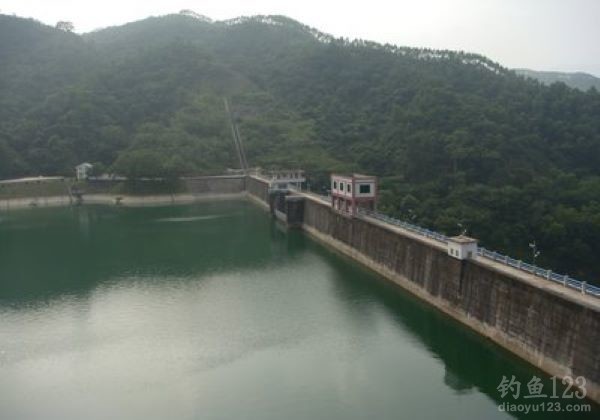
- Water 2–3.5 meters (6–11 feet) deep—shallow enough to warm up, deep enough to feel safe.
- Sunny, south-facing banks—they soak up that warmth like lizards on a rock.
- Backwaters or coves with weeds—weeds trap heat and grow tiny bugs for carp to munch.
I once fished a small pond after Jingzhe—found a spot where the sun hit a weedy cove all morning. Within 30 minutes, I had two carp on the line. Trust me, the weeds aren’t a hassle—they’re a sign of carp!
Other Spots to Check
- River eddies: Slow-moving water where food collects—carp love hanging here to snack.
- Pond edges: Small ponds? Carp often cruise along the bank looking for food that’s fallen in.
Red flag: Avoid super deep water (over 4 meters) unless it’s the only spot—carp are still recovering from winter and don’t want to swim that far down.
2. Tackle Setup: Keep It Simple (No Need for Fancy Gear)
Carp are big, but you don’t need a $500 rod to catch them. Here’s my go-to setup for spring:
Rod & Line
- Rod: 3–4 meter (10–13 foot) rod with medium action—stiff enough to fight big carp, flexible enough to feel bites.
- Main line: 2 lb test (about 0.9 kg)—strong enough for carp up to 5 kg (11 lbs).
- Leader line: 1–1.5 lb test (0.45–0.7 kg)—thinner line is less visible, and carp are skittish!
Float & Hook
- Float: 2g (0.07 oz) float—buoyant enough to stay up in slight wind, sensitive enough to spot tiny bites.
- Hook: Size 6–8 carp hook—sharp, but not too big (carp have small mouths relative to their size).
Pro mistake to avoid: Using too heavy a line. I once used 3 lb line and got zero bites—switched to 1.5 lb, and bam, carp started hitting. Carp can see thick line like a neon sign!
3. Bait & Chumming: Trick Them Into Biting (The Carp’s Favorite Snacks)
Carp are omnivores, but after winter, they want high-energy food. Here’s what works:
Chumming (The “Come Here” Call)
Chumming is non-negotiable for spring carp. They’re not just going to swim up to your hook—you need to lure them in. Here’s how:
- Base chum: Coarse, bulky stuff—think corn, wheat, or even potato chunks. Carp love digging through big piles.
- Add a little “extra”: Toss in a handful of rice or breadcrumbs—tiny bits that make carp stay longer.
- Timing: If you can, chum the night before. I once chummed a spot at 6 PM, came back at 8 AM, and had carp feeding within 10 minutes. If you can’t do that, chum 2–3 hours before you fish.
Warning: Don’t chum too much! A big pile will make carp full before they get to your hook. Stick to 1–2 kg (2–4 lbs) for a night chum, or 500g (1 lb) for a morning chum.
Bait (The “Cherry on Top”)
Your hook bait should match the chum—carp are suspicious of new food. Here are my top picks:
- Corn: Sweet corn (canned works!)—cheap, easy, and carp go crazy for it.
- Wheat: Soak wheat in water overnight—soft enough for carp to bite.
- Potato: Boiled potato chunks—mild, and carp love the texture.
Pro tip: Add a little vanilla extract to your corn—carp love the sweet smell. I’ve had more bites with vanilla corn than plain!
4. Playing the Carp: Don’t Lose That Big One (The Fight)
Okay, you’ve got a bite—now what? Carp are fighters, and if you mess up, they’ll break your line or pull the hook. Here’s how to land them:
Spot the Bite (It’s Not What You Think)
Carp don’t just “yank” the float—they’re subtle. Here’s what to look for:
- The float dips slightly (1–2 cm) and stays down.
- The float wiggles back and forth (carp are testing the bait).
Red flag: If the float shoots up fast? That’s probably a small fish (like a minnow) stealing the bait. Wait for the slow, steady dip.
Set the Hook & Fight Smart
When you see the bite:
- Wait 1–2 seconds—let the carp take the bait fully.
- Set the hook gently—don’t yank! Carp have soft mouths, and a hard yank will pull the hook out.
- Keep the line tight—never let it go slack. Carp will bolt if they feel free.
Big carp will fight for 5–8 minutes (sometimes more!). Let them run—don’t fight them head-on. Use the rod’s flexibility to tire them out. Once they’re on their side (belly up), you can net them.
Pro mistake: Trying to pull the carp in too fast. I once did that and broke my line—lost a 4 kg (9 lb) carp. Now I let them tire themselves out, and I land 90% of the big ones.
Final Thoughts: Spring Carp Fishing Is All About Patience
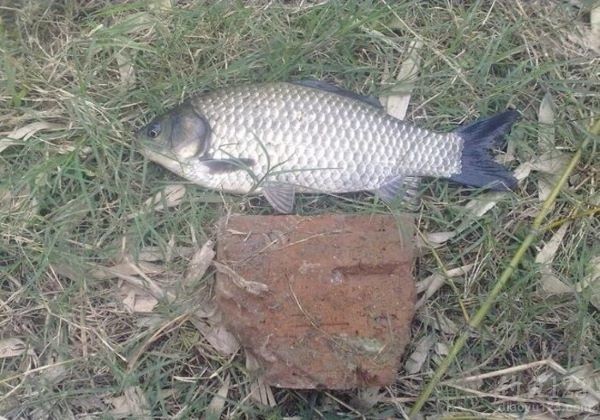
Let’s be honest—spring carp fishing isn’t easy. Some days you’ll cast 100 times and get nothing. But when you land that first carp after Jingzhe? It’s worth every minute. Last year, I spent 3 hours at a pond, and just when I was about to pack up, I got a bite. Landed a 3.5 kg (7 lb) carp—still have the photo on my fridge!
Remember: Carp are sensitive to everything—temp, weather, even how loud you are. Keep quiet, pick the right spot, and be patient. You’ve got this.
What’s your favorite spring carp spot? Drop a comment below—I’d love to hear your tips!