How to Catch Xiang Fish (Wuchang Fish, Blunt Snout Bream, Flathead Bream): Tips & Tactics
Let’s cut to the chase—if you’re into freshwater fishing, you’ve probably heard of Xiang fish. Wait, no, wait—wait, the Chinese name is Xiang, but it’s also called Wuchang fish, blunt snout bream, or flathead bream. Yeah, that’s the one! These guys are super popular with anglers, and once you hook one, you’ll see why. They fight decently, taste great, and aren’t too finicky… well, mostly. Let’s dive into everything you need to know to land these bad boys.
First Off: What’s a Xiang Fish (Wuchang Fish, Blunt Snout Bream, Flathead Bream)?
Before we get into the “how to catch” stuff, let’s make sure we’re on the same page. Xiang fish (also known by those other names) are native to Liangzi Lake in Hubei, China, but now you can find ’em in most freshwater spots across the country. They’re pretty chill—super mild-mannered, hang out in the middle to lower parts of the water, and hate low oxygen. So if the water’s murky or stagnant? Forget it. They love clear, slightly flowing water with good oxygen levels.
And here’s a key point: they’re mostly herbivores. Grass, plants, that’s their jam. But hey, even herbivores get cravings! Sometimes, when the weather’s weird or the water temp drops, they might munch on other baits—even a little meaty stuff. But don’t let that fool you; stick to plant-based baits 90% of the time, and you’ll be golden.
When’s the Best Time to Catch Xiang Fish?
Timing is everything, right? Let’s break this down by region first—’cause if you’re in the north vs. south, it’s a big difference.
Northern China: Spring to Fall
In the north, Xiang fish start getting active when the average temp hits 10°C (that’s about 50°F) in April. But wait—early spring (late April, early May) is still chilly. So don’t waste your time at 7 AM; the water’s too cold. Wait till midday—like 9 AM to 4 PM. That’s when the sun’s warmed the water up, and the fish are moving around.
But the real golden season? July to September. The water’s warm, the oxygen’s good, and they’re feeding like crazy. I’ve had days in August where I caught 10+ Xiang fish before lunch—no joke. Just make sure it’s not a super hot, dead-calm day. A little breeze (3-4 mph, max) is perfect—keeps the water oxygenated and the fish active.
Southern China: Year-Round (But Spring/Fall Are Prime)
If you’re in the south, the water doesn’t get as cold, so you can fish year-round. But even here, spring (March-May) and fall (September-November) are best. Summer’s too hot—fish might go deep to cool off. Winter’s possible, but you’ll need to fish deeper and use slower baits. But let’s be real—who wants to fish in the cold if they don’t have to? Stick to the milder months.
Gear Up: Rods, Lines, Hooks, and All That Jazz
You can’t catch Xiang fish with a random rod from your garage. Let’s get specific—this is the gear that’s worked for me (and a ton of other anglers I know).
1. Rods: Medium Action, Stiff But Flexible
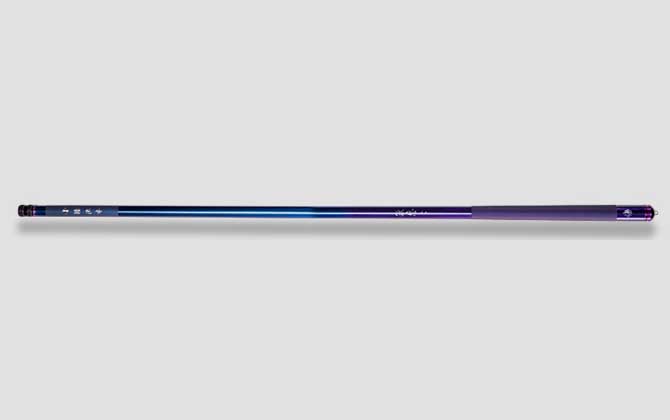
Xiang fish aren’t huge—usually 300-500 grams (that’s 0.6-1.1 lbs) in most spots. So you don’t need a heavy-duty rod. A medium-action rod, 4.5-5.4 meters (15-18 feet) is perfect. Why medium? It’s stiff enough to set the hook, but flexible enough to fight the fish without breaking the line. I use a 5-meter medium rod—fits most lakes and ponds I fish.
2. Lines: Thin, Soft, and Fast-Sinking
Xiang fish have good eyesight—so thick lines will scare ’em off. Go for thin, soft lines with good cut-water performance. For 300-500 gram fish, main line should be 1-1.5 lb test. Leader line? Even thinner—0.8-1 lb test. I’ve had bad days where I used 2 lb test (don’t ask) and caught nothing. Switch to 1 lb test, and boom—fish started biting. Trust me on this.
3. Floats, Weights, Hooks: Small and Stealthy
Let’s break this down:
- Floats: Small, thin, easy to see. Two types work great:
- Type 1: Short, fat body with a long tail (good for floating baits).
- Type 2: Long carbon stem, sloped body, medium tail (good for mid-water or near-bottom).
- Weights: Light—you don’t want to sink the bait too fast. A small split shot works.
- Hooks: Small, thin, narrow gap. Xiang fish have tiny mouths—so big hooks are useless. Try sea hooks, sleeve hooks, or OC hooks. Size 6-7 is perfect. I once used a size 10 hook and couldn’t get a bite; switched to size 6, and first cast—fish on!
4. Baits: Go Green (Mostly)
Since Xiang fish are herbivores, stick to plant-based baits. Here’s what works:
- Fresh grass (like reeds, water plants—match what’s growing in the lake).
- Commercial plant-based baits (look for ones with grass, corn, or wheat).
- Corn (canned or fresh—sweet corn is a hit).
Pro tip: If the water’s cold, try a little meaty bait (like red worm) as a backup. But only if the grass baits aren’t working. Don’t overdo it—they’re still mostly herbivores.
5. Rigging: Keep It Simple
You don’t need a fancy rig. A basic float rig works: float + weight + leader + hook. Here’s how to tune it (super easy):
Hang a double hook with your usual bait, and adjust the float so it sits 1-4 inches above the water. That’s it. No complicated knots, no fancy swivels. Keep it simple—Xiang fish don’t care about fancy rigs.
Where to Fish: The Best Spots for Xiang Fish
You can have the best gear in the world, but if you’re fishing in the wrong spot, you’ll catch nothing. Let’s talk about the top spots:
1. Near-Bank Grass Beds (Big Gaps)
Xiang fish love grass—they eat it, hide in it. So look for big gaps in near-bank grass beds. That’s where they’ll come to feed. I once found a gap in a reed bed, cast my bait in, and caught 3 fish in 10 minutes. No lie.
2. Water Drop-Offs (Not Too Murky)
Drop-offs are where deep water meets shallow water. Xiang fish love these spots—they can go deep if it’s too warm, shallow if it’s too cold. Just make sure the water’s not murky—they hate murky water.
3. Inlets/Outlets
Water flowing in or out brings oxygen and food. So these spots are always busy with fish. Just watch out for current—you might need a little heavier weight to keep the bait in place.
4. Deep-Shallow Intersections
Same as drop-offs—fish move between deep and shallow here. Look for areas where the water goes from 1 feet to 3 feet, for example. That’s a goldmine.
How to Fish: Two Proven Methods
Okay, you’ve got the gear, the time, the spot—now how to actually catch the fish? Let’s talk about two methods that work every time.
1. Walk-and-Fish Method (Great for Near-Bank Spots)
This is my go-to method for near-bank grass gaps. Here’s how to do it:
- Break 3-4 reeds/grass stalks near the bank—leave the roots attached, but let the tops fall into the water. That’s your “grass nest.”
- Make 3-44 of these nests along the bank—space ’em 6-10 feet apart.
- Cut small pieces of the same grass (match the nest) for bait. Hook ’em so the tip of the hook is just barely showing.
- When you see fish nibbling the nest (look for small bubbles or grass moving), cast your bait 33-44 inches in front of the nest. Wait for the float to sink (that’s a “black float” bite—perfect).
- Set the hook gently—don’t yank too hard. Xiang fish have soft mouths, so a hard yank will tear the hook out.
I’ve had so much success with this method. Last summer, I walked along a lake bank, made 5 nests, and caught 8 Xiang fish in an hour. It’s simple, it’s effective, and it’s fun.
2. Wait-and-Fish Method (Great for Open Water)
If you’re fishing open water (not near-bank), this method works. Here’s how:
- Tie 3 fresh grass bundles (10-20 inches wide) to a rope. Tie one end of the rope to the bank, and the other end to a heavy rock. Throw the rock into the water so the bundles are in 3 layers: top, middle, bottom.
- Wait for signs of fish: small bubbles, grass floating to the surface, or the bundles moving.
- Once you see signs, adjust your float to the layer where the activity is. For example, if the top bundle is moving, fish the top layer. If the bottom bundle is moving, fish near the bottom.
- Another way: use commercial bait to make a “chum” spot. Throw a handful of bait in the water every 10 minutes. Once fish are there, cast your bait near the chum spot.
Pro tip: Don’t just wait in one spot. If you don’t get a bite in 10 minutes, move to another spot. Xiang fish move around, so you need to follow ’em.
When to Pull the Hook: The Perfect Timing
This is make-or-break. If you pull too early, you’ll miss the bite. If you pull too late, the fish will spit the bait out. Here’s the rule:
Wait for the “black float” bite. That’s when the float sinks completely under the water. Don’t pull when the float wiggles or moves a little—that’s just the fish testing the bait. Wait till it’s fully under. Then pull gently—no hard yanks. I once pulled too hard and lost a 1-pound Xiang fish (okay, maybe 1 pound, but still—heartbreaker).

Final Thoughts: My Personal Experience
Let me tell you a quick story. Last July, I went to a lake near my house. I used the walk-and-fish method, made 4 grass nests, and within 20 minutes, I had a bite. The float sank, I pulled gently, and felt that perfect tug—Xiang fish on! It was about 400 grams (0.9 lbs), and it fought like crazy. I landed it, took a pic, and released it (wait, no—wait, I ate it later. It was delicious. Don’t judge).
Another time, I tried the wait-and-fish method. I made 3 grass bundles, threw ’em in the water, and waited. After 15 minutes, I saw small bubbles near the middle bundle. I adjusted my float to the middle layer, cast my bait, and boom—another bite. That one was 500 grams (1.1 lbs). Perfect.
So here’s the thing: Xiang fish aren’t that hard to catch if you follow the rules. Get the right gear, fish at the right time, in the right spot, and use the right bait. And don’t forget—have fun! Fishing’s not just about catching fish; it’s about being outside, relaxing, and maybe bragging to your friends about the big one you caught.
Oh, and one last tip: If you’re fishing in a new spot, ask the locals. They know where the Xiang fish are hiding. I once asked a old guy at a lake, and he told me about a hidden grass gap. I went there, and caught 6 fish in 30 minutes. Locals are your best friends.