How to Hook Earthworms for Big Crucian Carp: The “Dangling Tail” Method That Shocked My Fishing Crew
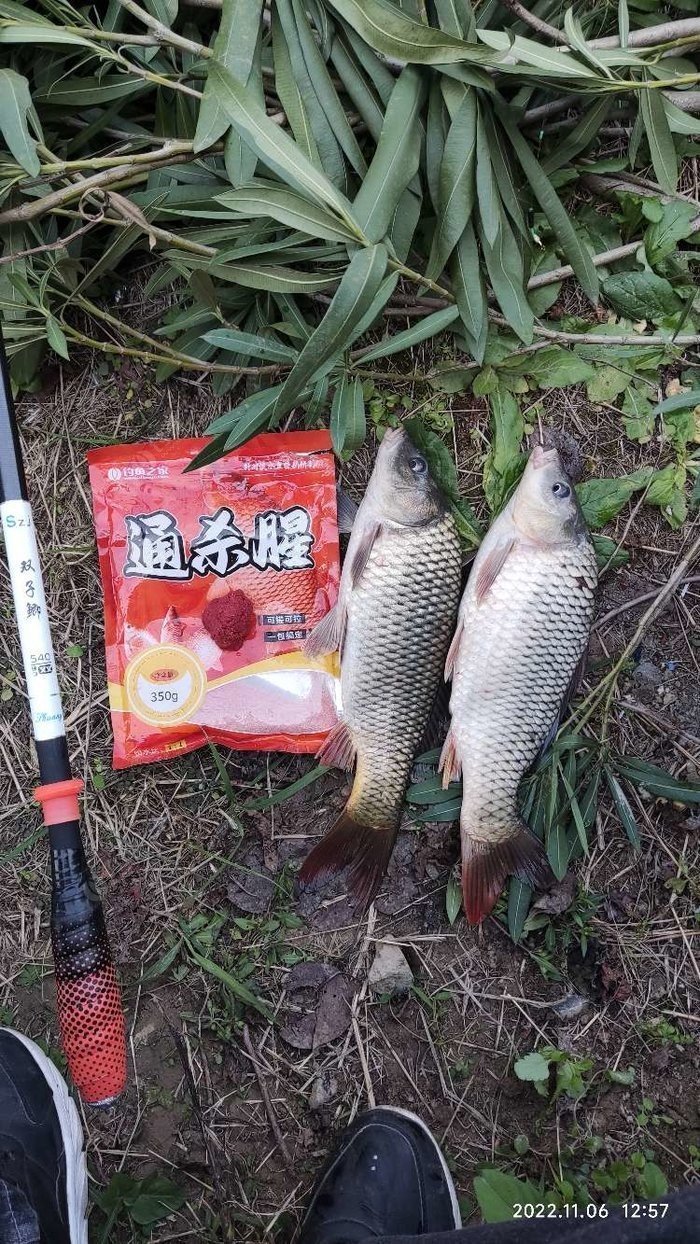
Let me tell you about the day my fishing crew got schooled by a total newbie. Last summer, five of us hit a local fish farm for crucian carp. The weather was iffy—cloudy, a little muggy, not the best for biting. The four of us? We’re regulars. We know our knots, our spots, our everything. But that day? We caught squat. Meanwhile, the fifth person? A friend’s sister who’d never held a rod before. She reeled in more fish than all of us combined, and every single one was a beast—the kind we usually only dream of. We were losing our minds. “She’s just lucky!” “The fish are blind!” “Fish love pretty girls!” But then Old Tom, our crew’s resident fishing sage, wandered over to check her setup. And he went, “Oh. Oh right. She’s using the dangling tail method.”
Wait, what’s the dangling tail method? Why did it work when our “pro” setups flopped? And how do you actually do it without messing up? Let’s break it down—no fancy jargon, just real talk from someone who’s been outsmarted by a newbie (and lived to tell the tale).
What Is the “Dangling Tail” Method, Anyway?
Okay, so here’s the tea: The dangling tail method is just hooking an earthworm so its tail hangs loose from the hook tip. That’s it. No secret sauce, no magic bait. Just a worm with a long, wiggly tail. But why did that work better than our tiny worm chunks? Old Tom explained it like he was talking to a kid (which, let’s be real, we were acting like after that beatdown):
- Big target = more bites. When the water’s murky or the pressure’s low (like that day), fish don’t feel like chasing tiny snacks. A long, wiggly worm is impossible to miss. It’s like a neon sign that says, “FREE FOOD HERE!”
- Big crucian carp love big meals. Those giant carp we caught? They don’t waste time on tiny bits. A full-length worm is a feast. Smaller fish can’t compete, so you only hook the heavyweights. That’s why her bucket was full of monsters and ours had sad little dinks.
Now, before you run out and hook a whole worm and call it a day, let’s get real: This trick isn’t for every spot. Old Tom drilled that into our heads. Here’s the catch (pun intended):
When the Dangling Tail Method Actually Works
You can’t use this everywhere. For example, if you’re fishing a pond full of tiny bluegills or minnow-sized crucian carp? A full worm is way too big. Those little guys can’t swallow it, so you’ll just get endless nibbles and no hooks. But if you’re at a commercial fish farm (like we were) or a lake with lots of big crucian carp and few small pests? This method is gold. The commercial farms stock big fish, so they’re hungry for substantial meals. Smaller fish don’t stand a chance against those giants.
That’s why our crew messed up: We usually fish wild ponds with tiny carp, so we always use small worm chunks. We didn’t switch up our game for the farm. The newbie? She didn’t know any better—she just jammed the whole worm on the hook. Total accident, total win.
Step-by-Step: How to Hook Earthworms for the Dangling Tail Method (No Fails Allowed)
Okay, so you’ve found the right spot (big crucian carp, few small fish). Now how do you hook the worm without messing it up? Old Tom walked us through his “no-fail” steps, and I’ve tested them a dozen times since. Here’s the lowdown:
1. Pick the Right Worm (Size Matters… A Lot)
First off, get live worms. Dead, mushy worms? They won’t wiggle, so the fish won’t care. For big crucian carp, go for nightcrawlers (those big, fat ones) or large red wigglers. If the fish are smaller (but still bigger than dinks), use smaller red wigglers. The key is: The worm should be long enough to have a tail hanging 1-2 inches from the hook tip. Too short? No dangling tail. Too long? The fish might only bite the end and get away.
2. Hook It the Right Way (Don’t Be a Dummy)
This is where most people mess up. Old Tom says the #1 mistake is hooking the worm in the middle. That makes both ends dangle, and the worm can’t wiggle right. Here’s the correct way:
- Grab the worm gently (don’t squeeze too hard—they’re squishy!).
- Push the hook tip through the head end of the worm (the thick end, not the pointy tail).
- Slide the worm up the hook until the hook eye is almost at the worm’s middle. Wait, no—wait, Old Tom said: “Push it just far enough so the hook tip comes out near the worm’s ‘shoulder’—not the middle, not the tail.” Wait, let me correct that: Hook through the head (thick end) and slide the worm so the hook tip exits about 1/3 of the way down the worm’s body. That way, the tail hangs loose from the hook tip. Perfect wiggles, perfect target.
- For extra thick worms (like nightcrawlers), don’t just poke through once. Old Tom says to “double-poke” to keep it from falling off. Push the hook through the head, then pull it out a little and push through again—so the worm is wrapped around the hook twice. That way, even if the fish tugs hard, it won’t slip off.
- Expose the hook tip a tiny bit. Especially for thick, tough worms (like garden earthworms), if you don’t expose the tip, the hook might not pierce the fish’s mouth. Just a 1mm “nub” is enough—don’t go crazy, or the fish will see it.
Pro tip: After hooking, give the worm a little shake. If the tail is curled up or stuck to the hook, straighten it out. A wiggly, straight tail is way more attractive than a tangled mess.
3. When to Use Whole vs. Half Worms
You don’t always need a whole worm. Here’s the rule of thumb:
- Big crucian carp (1lb+): Whole nightcrawler or large red wiggler. The longer tail = bigger target.
- Medium crucian carp (½-1lb): Half a nightcrawler or whole small red wiggler. The tail should hang 1 inch max.
- Small but decent crucian carp (¼-½lb): 1/3 of a nightcrawler or small red wiggler. No tail longer than ½ inch.
Too long? The fish might bite the tail and get away. Too short? No dangling tail, so you’re back to tiny bait. Test it: If the tail is dragging on the bottom when you cast, it’s too long. Trim a little off the end.
The Big Mistake We All Made (And You Should Avoid)
Remember how the newbie caught all the big fish? She didn’t know how to “read the float” (the bobber). The rest of us? We were yanking the rod at the first tiny twitch. But Old Tom said: Wait for the float to go under. Like, fully under. Or, if you’re using a bobber, wait until it’s lying flat on the water. Why? Because the big crucian carp need time to swallow the whole worm. If you yank early, you’ll only hook the tail, and the fish will spit it out. The newbie? She waited until the float was gone—no clue what she was doing, but it worked. 10 out of 10 times, no misses.
We laughed at her for “being slow,” but turns out, we were the slow ones. The dangling tail method is a lazy man’s trick—you don’t have to react fast. You just wait, relax, and let the fish do the work. That’s why it’s so good for newbies (and for us old guys who get tired of staring at the float all day).
Real Talk: Does This Method Actually Work Every Time?
Let’s be honest—no fishing method works 100% of the time. But here’s what I’ve seen since that day:
- At commercial fish farms? 10/10, would recommend. I’ve gone back three times, used the dangling tail method, and caught 3x more big crucian carp than my friends who stuck to tiny chunks.
- At wild ponds with small fish? Total flop. I tried it once, and the tiny bluegills nibbled the tail off before the crucian carp could get to it. Wasted 20 minutes, no bites.
- For newbies? Game-changer. My neighbor’s kid tried it last month—first time fishing, caught two 1lb crucian carp. He’s now obsessed.
So it’s all about the spot. If you’re at a place with big crucian carp and few small pests? This method is your new best friend. If not? Stick to tiny chunks. Simple as that.
Final Thoughts: Why I’m Now a Dangling Tail Convert
Before that day, I thought I knew everything about fishing. I had my “pro” setup, my tiny worm chunks, my fancy knots. But the newbie taught me a lesson: Sometimes the simplest tricks are the best. The dangling tail method isn’t about skill—it’s about matching the bait to the fish. Big fish want big meals, so give ’em big bait. Duh.
Last week, I took my little brother fishing at the same farm. I showed him the dangling tail method, and he caught a 1.2lb crucian carp—his first ever. He’s been talking about it nonstop. Old Tom would be proud.
So next time you’re at a commercial fish farm or a lake with big crucian carp? Ditch the tiny chunks. Grab a live worm, hook it right, and let that tail dangle. You might be surprised at what you reel in. Just don’t be like us—don’t laugh at the newbie. They might just outfish you.