Must-Know Commercial Bait Tips & Formulas for Wild Fishing Anglers
How to Pick the Right Commercial Bait Scent for the Season & Water
Let’s be real—walking into a fishing tackle store and staring down walls of commercial baits is like walking into a candy store as a kid, but way more stressful. You’ve got dozens of scents, formulas, and brands screaming for your attention, and you’re just over here thinking, “Will this even catch a single fish?” First things first, let’s break down the most common scent profiles and when to use them—no more guessing games!
- Fishy-Sweet (Savory-Sweet) Scents: This is your go-to for early spring and late fall, when water temps are on the cooler side. Fish are sluggish and craving high-protein, strong-smelling meals, and this scent cuts through the cold water like a hot knife through butter. Perfect for targeting hungry bass, crappie, and catfish when they’re just starting to wake up or slowing down for winter.
- Fresh, Clean (Light Floral/Herbal) Scents: When summer hits and the water gets warm (especially in nutrient-heavy “dirty” water), heavy scents can overwhelm fish. A light, clean scent mimics the natural bugs and plant matter they’re feeding on, so it doesn’t spook them. Trust me, I’ve wasted so many summer trips using heavy baits only to switch to a light clean scent and start catching fish left and right.
- Milk/Creamy Scents: If you’re fishing in clear, nutrient-poor “skinny” water—think mountain lakes or remote reservoirs—creamy milk scents work magic. They’re subtle enough not to spook skittish fish but have enough of a unique smell to draw them in from far away. I’ve had my best wild crappie and bluegill days using a creamy milk-based bait in skinny mountain lakes.
- Fruity Scents: Call this the “jack of all trades” scent. It works pretty much year-round, but it really shines when temps are warm. Fruity scents mimic ripe berries or fallen fruit that washes into the water, and fish go crazy for it. I’ve used strawberry and watermelon baits in everything from small ponds to large rivers, and I’ve never left empty-handed when I reach for this option.
- Wine/Spicy Fermented Scents: This is the “no-fuss” option for any season, any water type. Fermented, wine-like scents are super strong and cut through murky water, but they’re not so overpowering that they spook fish. I keep a bag of wine-scented bait in my tackle box at all times for those days when I’m not sure what the water or fish are going to throw at me.
And don’t forget—every body of water is different! What works in your local pond might not work in a nearby river. Always start with a small amount of bait, test the waters, and adjust if you’re not getting bites. It’s all about reading the fish!
How to Mix Commercial Baits with Pellets (The Right Way)
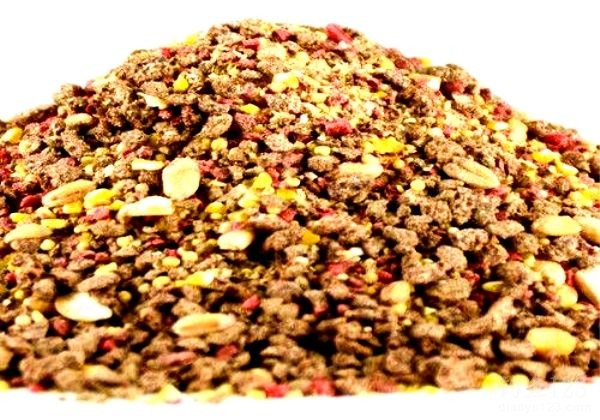
Here’s a mistake I made way too many times early on: dumping a bunch of commercial bait on top of pellets and calling it a day. Newsflash—fish are smart, and if the scent is too strong, they’ll swim right past it. Commercial bait mixed with pellets is a classic wild fishing combo, but you’ve got to get the ratio right.
Pellets are great because they mimic the natural food fish eat in the wild (think small bugs, algae, and plant matter), so fish are already used to eating them. The commercial bait acts like a “flavor booster” to draw them in from farther away. Think of it like seasoning food: too little, and it’s bland; too much, and it’s unappetizing. I learned this the hard way when I dumped a full bag of spicy fermented bait on my carp pellets and spent 3 hours watching fish swim around my hook without taking a bite.
A good rule of thumb is a 1:3 ratio—1 part commercial bait to 3 parts pellets. Mix it up well so every pellet is coated, but not drowning, in scent. And if you’re targeting carp specifically? Go even lighter on the commercial bait. Carp have an amazing sense of smell, and a little goes a long way. I now use a 1:5 ratio for carp, and my catch rate tripled almost overnight.

What Do Commercial Baits & Fishing Additives Even Do?
Let’s clear up the confusion between commercial baits, additives, and all the other weird stuff on tackle store shelves. It’s easy to mix them up, and I’ve definitely bought “fishing candy” that turned out to be a useless gimmick. Here’s a simple breakdown to help you stop wasting money:
1. Ready-to-Use Commercial Baits
These are the workhorses of your tackle box. These are pre-made baits you can tie right on your hook and cast out—no mixing, no fuss. They come in every shape, size, and scent imaginable, from soft plastic worms to dough baits for catfish. Some are designed specifically for certain species (like carp dough baits or trout pellets), while others are general-purpose.
The best part? They’re perfect for beginners or anyone who doesn’t want to spend an hour mixing baits before fishing. I keep a pack of ready-to-use dough baits for catfish in my car at all times for impromptu fishing trips.
2. Fishing Additives (aka “Fishing Perfume”)
Think of these like the salt and pepper of fishing—they’re additives that boost the scent of your existing bait. They come in tiny bottles with concentrated scents, from garlic to anise to artificial fruit flavors. You can add a few drops to your dough bait, mix it into your pellets, or even spray it on soft plastics.
Warning: Don’t overdo it! A few drops go a long way, and too much will make your bait smell unnatural. I once added half a bottle of garlic additive to my bait and spent the whole day watching fish avoid my line. Lesson learned.
3. Appetite-Stimulant Additives
These are the “secret weapon” additives you might not have heard of. They’re not scented—instead, they’re formulated to make fish feel hungry, so they’re more likely to bite. They work by mimicking natural chemicals that trigger a fish’s feeding instinct, even if they’re not super hungry.
I use these most often in the summer, when fish are lazy and not feeding as much. A tiny sprinkle of this stuff mixed into my bait has turned many slow days into great days.
4. Forced-Feeding Additives
This is the “last resort” additive for when fish are really stubborn—like after a sudden cold snap or a big storm that messed up the water. These additives are designed to make fish feel like they have to eat, even if they don’t want to. They’re stronger than appetite stimulants, so you should only use them when nothing else is working.
I used these last year after a sudden winter storm dropped temps 20 degrees overnight. I’d been fishing for 2 hours with nothing to show for it, so I added a small amount of forced-feeding additive to my bait. Within 10 minutes, I caught a 3-pound bass that had no business being active in that cold water.
Pro Tips for Targeting Specific Fish with Commercial Baits
Now that you know the basics, let’s talk about tailoring your bait to the fish you want to catch. Different species have different preferences, and getting this right can mean the difference between a trophy catch and going home empty-handed.
Carp
Carp have an incredible sense of smell, so go light on the scent. Stick to fermented, wine, or light fruity scents, and mix them with small pellets or corn. Avoid strong, synthetic scents—carp will avoid them like the plague. I’ve had my best carp days using a small amount of wine-scented bait mixed with sweet corn pellets.
Bass
Bass are opportunistic feeders, so they’ll go for almost anything, but they love strong, meaty scents in cool water and light, natural scents in warm water. In spring, use fishy-sweet baits; in summer, switch to clean, herbal or fruity scents. And don’t be afraid to mix in a few drops of garlic additive—bass go crazy for it!
Bluegill & Crappie
These small, skittish fish love subtle scents. Creamy milk or light fruity scents work best, especially in clear water. Stick to small, small baits—they have tiny mouths, so big baits will just spook them. I use tiny dough balls scented with milk for bluegill, and I can catch a bucket full in an hour on a good day.
Catfish
Catfish are the kings of scavenging, so they love strong, stinky scents. Fishy, garlic, or cheese scents are your best bet, and the stronger the better. I once used a stinky cheese dough bait to catch a 10-pound catfish in a muddy river—don’t be afraid to go bold with catfish!
Final Thoughts (No B.S. Advice)
At the end of the day, wild fishing is all about trial and error. You can memorize every scent formula and additive tip, but there will still be days when the fish just won’t bite. The key is to stay flexible, experiment, and don’t be afraid to switch things up if your first plan isn’t working.
And hey, don’t beat yourself up if you waste a little money on a bait that doesn’t work—I’ve got a tackle box full of “failed” baits that turned out to be perfect for a different lake or season. Fishing is supposed to be fun, so don’t let the stress of picking the right bait ruin your day.
Next time you hit the water, grab a few different scents, test them out, and see what works. Who knows—you might find your new go-to bait that catches fish every single time.