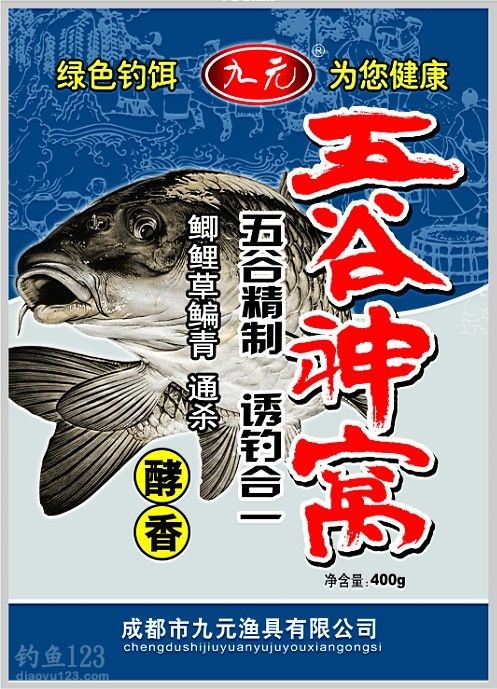
My Honest Experience with Fishing in Private Pay Lakes (Black Pit Fishing Tips)
Let’s cut to the chase: if you’ve ever fished a private pay lake (what we call “black pits” or “rod pits” in angling circles), you know it’s not your typical weekend fishing trip. These places are like battlefields—you’re not just fighting the fish; you’re fighting the water, the other anglers, and sometimes even the lake owner’s tricks. I’ve spent way too many weekends here, coming home with empty coolers (aka “the skunk”) and the occasional trophy catch. Let me spill the tea on what I’ve learned the hard way.
1. Water Quality: The Silent Killer (and Why You Need to Check It First)
First rule of black pit fishing: never cast a line without checking the water. These lakes are almost always murky, but some are straight-up toxic. Here’s why:
Why Black Pit Water Sucks (Most of the Time)
- Angler Overfeeding: Everyone and their mom dumps a bucket of bait before fishing. All that leftover chum rots, sours, and steals oxygen from the water. I’ve seen a lake turn green in 24 hours because 20 guys dropped 5-pound bags of corn each.
- Devious Lake Owners: Oh, this is the big one. Some owners will dump fertilizer, salt, chicken manure, or even sewage into the water. Why? To make the fish “strike less” (aka stop eating) so they don’t have to restock as often. It’s messed up, but it’s reality.
How to Spot a Bad Lake Before You Waste Your Day
Here’s my quick checklist:
- Smell it: If it reeks like rotten eggs or sewage, run. I once fished a lake that smelled like a porta-potty on a 90°F day—zero bites, zero fun.
- Look at the color: Dark brown, black, or neon green? Nope. Clearish green (with a hint of algae) is usually okay.
- Check other anglers: If the guys next to you haven’t caught a thing in 2 hours, ask why. Most will spill the beans about a “stinky spot” or a lake that’s been “tweaked” by the owner.
Pro tip: I once drove 45 minutes to a lake, only to see a guy throw his rod in the truck and yell, “This place is dead!” Saved me $20 and a day of frustration.
2. Finding the Right Spot: Don’t Just Cast Anywhere!
Black pits have “hot spots”—spots where fish actually bite. The rest? Waste of time. Here’s how to find them:
Ask the Owner (But Don’t Trust Them Blindly)
Most owners will lie about the good spots (duh, they don’t want everyone catching all their fish). But ask about the lake’s layout: “Is there a deep hole near the dam?” “Where’s the shallow end?” Sometimes they’ll slip up and mention a spot they forgot to “adjust.”
Follow the Fish Signs
Look for fish bubbles (called “fish stars” in some circles). If you see bubbles popping near the bottom, that’s where the fish are feeding. Also:
- Deep water in deep lakes: Fish hide in the deepest parts when it’s hot or when the water’s messed up.
- Edge of shallow/deep water: Fish love hanging out where the depth changes—easy to dart into shallow water to feed or deep water to hide.
- Avoid smelly mud: If the bottom is soft and stinky (you can tell by the dark, mushy mud when you pull up your anchor), stay away. Fish hate that.
When in Doubt, Move!
I once sat in the same spot for 3 hours with zero bites. Then I moved 10 feet to the corner of the lake (where the wind was blowing) and caught 3 bass in 20 minutes. Don’t be stubborn—if it’s not working, switch spots.
3. Bait: The Most Important (and Trickiest) Part
Black pit fish are picky. They’ve been fed the same garbage for months, so they either love a specific bait or hate everything. Here’s my go-to strategy:
Start with “Home Food” (The Lake’s Original Bait)
Fish get used to eating what the owner feeds them. Most owners use pellet feed (dry, compressed food). So buy the same brand the lake uses (ask the owner—they might sell it). I once used a random pellet brand and got zero bites; switched to the lake’s brand and caught 5 catfish in an hour.
My Bait Recipe (That Actually Works)
I mix it up like this (adjust based on the lake):
- 60% base bait: Lake pellets (crushed up)
- 30% target bait: Store-bought bait for the fish you’re chasing (e.g., catfish bait, bass bait)
- 10% “texture” bait: Things like flour, cornmeal, or a little sugar to make it stick to the hook but fall apart slowly (so it looks natural)
- Optional: A tiny bit of honey or vanilla (natural stuff—skip the chemical “fish attractants”)
Why Chemical Attractants Are a Scam
Let’s be real: those bright pink “fish crack” bottles? They’re garbage. Fish have way better noses than humans—too much chemical stuff makes them swim away. I once used a strawberry-scented bait and got zero bites; switched to plain corn with honey and caught 2 bass. Stick to natural.
Bait Changes: Adapt or Die
What works on Saturday might not work on Sunday. The lake owner might have changed the water, or the fish just got bored. I always bring 3-4 different baits: pellets, corn, worms, and a little bread. If one doesn’t work, try another.
4. Fishing Skills: Traditional vs. Modern (Which Works Better?)
Black pits are a mix of old-school and new-school fishing. Here’s what I’ve found:
Traditional Fishing (For Beginners)
Good for:
- Fishing near the shore (shallow water)
- Catching catfish or carp (bottom feeders)
- When the water is rough (windy days)
Pro tip: Use a heavier line and a bigger hook. Traditional fishing is about patience—wait for the fish to take the bait, then yank.
Modern Fishing (For Pros)
Good for:
- Catching bass or trout (fish that bite fast)
- When the water is calm (clear enough to see the bait)
Pro tip: Use a light line and a small hook. You have to react fast—if you see the line twitch, set the hook immediately.
My Go-To Setup
I use a medium-light rod (not too stiff, not too floppy) with 10-pound test line. Small hooks (size 8-10) for most fish. Why? Because black pit fish are “smart”—they’ve been hooked before, so big hooks scare them.
5. The Lake Owner: Your Frenemy
Let’s talk about the elephant in the room: some lake owners are straight-up cheats. They’ll do anything to stop you from catching fish. Here are their tricks:
- Poison the Fish: They’ll “disinfect” the lake with chemicals before restocking—makes the fish too sick to bite.
- Choke the Fish: Put fish in dirty, low-oxygen water before restocking—they’re too tired to eat.
- Scare the Fish: At dawn, they’ll bang on the water with sticks or throw rocks to make the fish hide.
- Small Fish Chaos: They won’t clean out the tiny fish (minnows, shad). Those little guys will steal your bait before the big fish can get to it.
- Toxic Spots: They’ll throw mothballs or lye into the hot spots—makes the water smell bad, so fish avoid it.
Is it fair? No. But it’s part of the game. I once caught a lake owner throwing mothballs into the best spot—called him out, and he gave me a free day pass. Win-win (sort of).
Final Thoughts: It’s All About Adaptation
Black pit fishing isn’t for everyone. It’s frustrating, sometimes expensive, and often a waste of time. But when you catch that big bass or catfish? Worth it. My best tip? Don’t take it too seriously. Laugh when you get skunked, high-five when you catch a fish, and always bring a cooler of beer (or soda, if you’re driving). Oh, and don’t forget to share your tips with other anglers—we’re all in this mess together.
Last month, I fished a lake that everyone said was “dead.” I used the owner’s pellets, moved to the corner, and caught 4 catfish. The guy next to me looked shocked. I told him my trick, and he caught 2 more. That’s the fun part—helping a fellow angler out. Even if the lake owner is being a jerk, the community is pretty cool.