


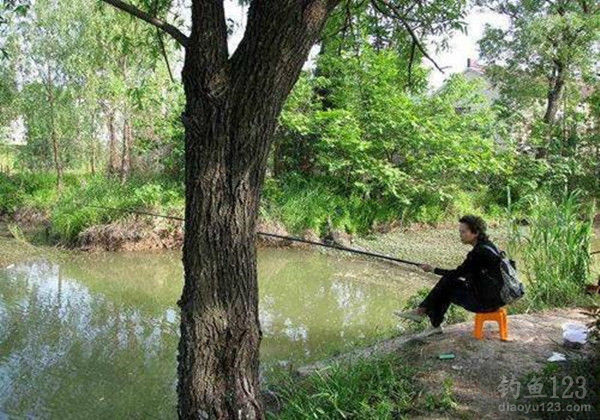

Introduction: Chasing Fish in the Rainy Dusk of Yuxi River
Hey there, fellow anglers! If you’re anything like me—someone who dives into lure fishing with both excitement and a healthy dose of “will they bite or not?” panic—then you’ll know that every trip has its own story. Some are epic battles with trophy fish; others… well, let’s just say they’re “water tests” for your patience. This one? A rainy September 22nd evening on Yuxi River, where I traded frustration for a tiny win, learned more about my gear, and rediscovered why fishing is all about the journey (and maybe a little luck). Let’s break it down.
First off, I’m no pro. Let’s call me a “lure fishing newbie” with a dream to hook that first “real” catch—even if it’s a tiny one. I’d heard rumors for weeks: Yuxi River was teeming with topmouth culter, yellow catfish, and even tilapia. When the forecast called for a rainy evening, I thought, “Perfect! Cooler temps + rain = fish activity, right?” Spoiler: it wasn’t that simple. But let’s start from the beginning.
Pre-Fishing Prep: My Gear for the “Non-Fishing Zone” Challenge
Before I hit the water, I had to choose the right setup. As a beginner, I’m still figuring out which gear works best for micro fishing (those tiny lures that require precision). Here’s what I packed:
Rod: Shenghe Xiaoju Maokou Rod (1.5m, UL)
Let me gush about this rod for a sec. The Shenghe Xiaoju Maokou is an ultra-light (UL) 1.5m rod designed for smallmouth bass or… well, in my case, tiny culter and panfish. Why UL? Because micro lures (like the ones I was using) need a soft tip to feel the lightest taps and avoid breaking the line. At 1.5m, it’s compact too—easy to cast in tight spots like bridge underpasses, which are usually hotspots for fish hiding. The “Maokou” part? It’s a term for small, schooling fish, so this rod is built for exactly that: targeting small, quick-moving species. Pro tip: If you’re new to lure fishing and want a rod that won’t intimidate you with heavy casts, this UL rod is a game-changer. It’s lightweight, responsive, and cost-effective—no need to splurge on your first rod!
Reel: Shimano Sienna FG 1000
Reels can make or break a micro fishing trip, and I lucked out with the Shimano Sienna FG 1000. This reel is labeled for 1000 size, which is *perfect* for micro lures. Why 1000? Because it has a spool capacity that can handle thin lines (1lb PE line, in my case) without tangling, and the drag system is smooth as butter. I love that it’s compact—so when I’m casting 10+ times in a row (hello, muscle burn!), my hand doesn’t cramp. The FG line is fluorocarbon-coated, which means it’s nearly invisible underwater and resistant to abrasion from rocks or fish teeth. For someone fishing in a river with potential snags, that’s a must. Plus, Shimano’s reputation for durability? I trust it to handle whatever Yuxi River throws at me (or rather, whatever I throw at the fish).
Line & Leader: 1lb PE + 2lb Fluorocarbon
Let’s talk line game. I went with 1lb PE (braided) line for the main line. PE is thin, sensitive, and has low stretch, so I can feel the *tiniest* nibble. It’s also strong enough for small fish without breaking, which is key for a newbie trying to avoid “line snaps” (trust me, you’ll want to avoid that embarrassment). The leader? 2lb fluorocarbon. Why fluorocarbon? It sinks a bit faster than PE, so when I cast near the surface (like under a bridge), the leader stays visible to the fish, and it’s less likely to get bitten through by a fish’s sharp teeth. The combo? PE for sensitivity, fluorocarbon for stealth and strength. It’s a micro fishing sweet spot, if I do say so myself.
Lure Setup: The “Bead Chain + Fly Hook + Floating Casting Aid” Combo
Ah, the star of the show: my lure setup! I wanted something that would work in low-light conditions (it was raining, so visibility was low) and attract small fish. Enter: the “bead chain + fly hook + floating casting aid” setup. Let me break this down for you:
- Fly Hook: These are lightweight, with a barbless point (I prefer barbless for catch-and-release, but that’s a story for later). The tiny size means it’s easy for small fish to bite without feeling resistance.
- Bead Chain: A small, shiny chain with beads—this thing *reflects light* like crazy in the water. When fish see that flash, they can’t help but strike. It’s like a neon sign for hungry culter or tilapia.
- Floating Casting Aid: This is the unsung hero! A floating casting aid (or “float” for simplicity) is designed to help you cast micro lures farther without losing distance. Since Yuxi River is pretty wide, getting that cast under a bridge or into a deep hole is key. The floating part means the lure stays just below the surface, where fish often feed at night—especially after rain, when the current brings in food.
Pro tip: I used a 3.5g floating casting aid to keep the fly hook at the right depth. If it sinks too fast, fish might not notice it; if it floats too high, the beads might get tangled. This combo? It’s my go-to for shallow, active fish—especially at night. More on that later!
First Cast: The “I Came, I Saw, I Maybe Bored” Dusk Session
Let’s fast-forward to the start of the trip: around 6 PM, it started pouring. Perfect weather for hiding under a bridge, right? I set up my rod, cast the bead chain + fly hook into a deep hole near the riverbank, and waited. But wait—turns out, “wait” is the worst word for fishing. For the next hour, I was basically watching water: ripples, bubbles, *nothing*. No bites, no fish explosions, just… rain. And my line. It felt like I was fishing in a “no-take” zone for the universe.
Okay, let’s backtrack: I started with a different rig earlier—drop shot. I’d heard drop shot is great for bottom-feeding fish like yellow catfish, so I tried that. I rigged a worm, dropped it to the bottom, and waited. But Yuxi River’s current was picking up with the rain, and the drop shot just kept getting pulled sideways. I’d see a flash of water (fish!), but they’d dart away before I could set the hook. By 7:30 PM, I was about to throw in the towel. “Maybe it’s just not their day,” I thought. Or maybe it was mine.
Wait, let me clarify: “drop shot” didn’t work here. Why? Because the current was too strong for a lightweight drop shot, and the fish—whatever they were—weren’t near the bottom. They were mid-water, chasing food. That’s when I realized: my initial setup was wrong for the conditions. Rain = cooler temps = fish moving up to feed? Or maybe they just weren’t hungry. Either way, I needed a new plan.
Midnight Moves: Why 12 AM Changed Everything
So, I left the river at 8 PM, soaked, disappointed, and convinced I’d had a “blank day.” But then… I remembered something. Local anglers told me that after rain, fish often move to the surface or mid-water at night. Why not try again later? At midnight? That’s the question. But hey, why not? I’m a night owl, and I wanted that “first bite” so badly. I grabbed my gear, drove back to the bridge underpass (my original spot), and started casting again.
By 12:15 AM, the rain had stopped, but the air was crisp—too crisp, actually. I adjusted my line, cast the floating casting aid again, and this time… something happened. The “ping” of the cast, the float bobbing, and then—tug!
Let me describe that moment in slow motion: I was reeling slowly, just keeping the lure in the strike zone. Then, a sudden, light tug. My hand tingled. I’d been so used to “nothing” that I almost missed it. But I set the hook. The line zinged, and my rod bent like a boomerang. Yes! I thought. It was small, but it was a fish!
First Catch: The 12:24 “Maokou” Moment
At 12:24 AM, I caught my first fish. A tiny culter, maybe 6 inches long—what locals call a “milk culter” (small baby fish). The fight was short: I reeled steadily, let the drag do its job (I’d set it *super* loose earlier, thinking it might help with small fish), and watched the rod tip bend. When it finally broke the surface, I saw its silver scales glinting. “Yes, you little rebel!” I whispered. It wasn’t a trophy, but it was *mine*.
Then, 5 minutes later, at 12:29 AM, I cast again—same spot, same setup—and another tug! I set the hook, and this time, the rod bent harder. I laughed out loud: “Are you kidding me?!” This one was bigger, maybe 7 inches. I played it carefully, reeling in slow and steady, and then—*splash*—I pulled it out. Another small culter. Both were tiny, both were “babies,” but both were the highlight of my night.
Here’s the thing: I almost stopped at the first fish. If I’d left at 12:25, I’d have missed the second. Lesson? Never give up, even when the fish seem silent. Sometimes, they’re just waiting for the perfect cast, the right lure, or the right time.
Post-Catch: Trying Other Lures (and Why They Failed)
After landing two culters, I wanted to try other lures to see if the magic would continue. I swapped the floating casting aid for a Vib lure (a vibrating minnow), then a “Zigzag Minnow” (my friend’s favorite), and even a metal spoon. But nothing worked. Why? Well, let’s blame the conditions: the river was calm after the rain, and the fish had already eaten their fill (or were just too full from the first two). Also, the floating setup was working because it was moving just enough to catch their eye. Any other lure I tried was either too fast (zapping through the water) or too heavy (sinking too quickly).
I even tried a “drop shot” again, but the fish had moved deeper or left the area. By 1 AM, I called it a night. Two small culters, both small enough to be released, and a whole lot of fun. The real win? I didn’t “blank” (anglers call that “getting skunked,” meaning no catch). I got a *small* win, and I learned a ton about my gear and the river’s behavior.
Catch and Release: Why It Matters (and Why I Did It)
Before I go, I need to talk about catch and release. I know, I know—“why release them if they’re small?” Because every fish counts. These two culters? They’re just babies. If I’d kept them, they’d never grow into the fish I might catch next year. Plus, releasing them means the river stays healthy, and the population thrives. It’s not just “good karma”—it’s smart fishing.
“Put ‘em back, you’ll catch more next time!” my dad always says. Turns out, he’s right. I’ve fished enough to know that letting small fish go means they’ll reproduce, ensuring more opportunities for everyone. So, yes, I carefully took the hook out (barbless helps here!), held them gently, and watched them swim away. The feeling? Better than any trophy fish I’ve ever kept. It’s the joy of fishing, not the size of the catch.
Final Takeaways: What This Night Taught Me
Let’s wrap up this “Yuxi River fishing diary” with the lessons:
- Patience is key: I was about to leave at 8 PM, but I stayed, and the fish bit. Waiting pays off.
- Adapt your gear to conditions: The floating casting aid worked at night/after rain, but other lures didn’t. Know your water!
- Catch and release = future fun: Releasing small fish means more fish to catch later. It’s a win-win.
- Gear matters: The Shenghe Xiaoju rod, Shimano Sienna reel, and bead chain setup were perfect for micro fishing. No regrets!
So, to all my fellow anglers out there: whether you’re chasing big bass or tiny culters, remember that every trip is a story. Some are quiet, some are loud, but all teach you something. This night? It taught me that even a small catch can make you feel like a champion. And Yuxi River? I’ll be back—with my bead chain setup, my floating casting aid, and a whole lot more patience.
Until next time, tight lines and happy casts! 🎣


