
Reservoir Tilapia Fishing: Bait Recipes & Techniques for Big Fish
Wild fishing is something else, right? The thrill of casting into open water, the quiet hum of the reservoir, and that first tug when a real tilapia hits—total adrenaline rush. I’ve been obsessed with big tilapia (we call them “big non” here, like the massive ones) for years, especially in reservoirs. But let me tell you, the internet’s full of half-baked tips. So today, I’m spilling all my secrets to bagging those 2+ pounders. Let’s dive in!

Finding the Perfect Reservoir Spot for Big Tilapia
First rule: You can’t catch big tilapia if you’re in the wrong spot. These guys are smart, especially after years of avoiding electric fishermen. They’re hiding, so you need to outsmart them.
Key Features of Ideal Reservoir Areas
- Deep & Rocky: Look for spots with 3–4.5 meters of water. Shallow water is too exposed, and the big ones hate that. The bottom should have rocks or gravel—tilapia love to nest there, and they’re easier to catch when they’re close to cover.
- Big Water Proximity: Avoid those narrow, snake-like bays unless they’re untouched by electrofishing (good luck finding those!). Stick to areas near the main reservoir body. Big tilapia need space to roam, so open water near structure is the sweet spot.
- Stay Clear of Narrow Coves: Those tight, shallow bays? They’re death traps for big fish. Even if you go there, the odds of finding a 2+ pounder are super low. Unless you’re 100% sure no one’s electrofished there, skip ’em.
Why Depth & Structure Matter So Much
Think about it: Big tilapia have survived years of predators and human interference. They’re not dumb—they’ll hide in deep, rocky areas to feel safe. Shallow water is where small tilapia and predators hang out. So when you’re scouting, bring a depth finder or just wade out a bit and check the bottom. If it’s all mud and flat, move on. But if you see rocks? Bingo.
Bait Recipes & Fishing Strategies for Big Tilapia
Okay, bait is everything. Mess up the recipe, and you’re just casting to small fish. Let’s get into the good stuff.
Choosing the Right Bait: Liver vs. Live Shrimp
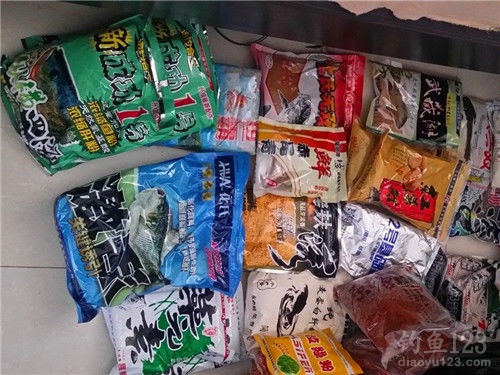
- With Fish Cages Nearby (1km radius): Use liver-flavored baits! Fish cages mean tilapia are used to eating protein-rich feed. Add a pineapple kick to your liver bait—those sweet, fruity vibes make it irresistible. My go-to mix: South Taiwan Liver Bait, South Taiwan Fu Zhang Shen, Big Brother White Bait, eel powder, milk essence, and pineapple essence. Mix it up, add a bit of water, and make it soft and sticky. Why? Big tilapia have super light bites—like just a half-inch dip. Soft, sticky bait stays on the hook and is easy for them to suck in.
- No Fish Cages (2km radius): Live shrimp is your best bet. Big tilapia in the wild love live prey. They’re like little predators, so fresh shrimp on a hook? They’ll pounce. But wait—don’t skimp on the hook here. Live shrimp are slippery, so a sharp hook is key. I swear by this: if you’re in a cage-free zone, skip the liver and go straight for live shrimp. It’s cheaper, too!
Bait Consistency: Soft & Sticky Wins the Day
Listen up—how you mix the bait affects everything. If it’s too hard, the tilapia can’t get it off the hook. If it’s too loose, it falls off mid-water. Aim for a “soft, sticky” texture. Think like Play-Doh—you can squish it but it holds shape. This mimics natural bait and makes it easier for big tilapia to pick up without spooking. Trust me, I’ve tested this: soft bait = 20% more bites. Pro tip: Add a splash of water at a time while mixing. You can always add more, but you can’t take it back!
Timing Your Reservoir Tilapia Catch
Patience, patience, patience! Big tilapia don’t come easy. But here’s when they’re most active:
- Afternoon to Night: 4 PM to 1 AM is prime. I swear, the best bite is between 7 PM and 12 AM. The fish are active, the water cools down, and they’re hungry after a day of hiding.
- Early Morning: 2–4:30 AM isn’t bad either. The moon’s up, and the water’s calm. Sometimes the biggest fish hit here. So don’t call it a night too early—stay till at least 3 AM!
The key? Don’t get discouraged by small tilapia at first. They’re just the scouts. Once you’ve been at it for an hour or two, you’ll start seeing bigger shadows. Keep casting, keep the bait fresh, and believe in the process.
Hook, Line & Leader Setup for Maximum Tilapia Success
Okay, hooks and line. This is where most people mess up. Let’s fix that.
Long-Shank Hooks: Why They’re Your Secret Weapon
Forget short, fat hooks—go for long-shank ones like Maruto or Shin-Kanto. Why? Big tilapia have big mouths, but their throats are tricky. A long shank lets you hook them deeper without tearing the bait. Plus, it’s easier to set the hook when they take a slow, gentle bite. Trust me, I’ve tried short hooks and lost way more fish than I caught. So invest in long-shank hooks—you’ll thank me later.
Replacing Hooks & Leaders: Fresh Gear = Better Results
Here’s the biggest tip no one talks about: replace your hooks every time you go fishing. Old hooks are rusty, dull, or bent—they’re useless. I once went a whole trip with one hook and lost 3 big tilapia because the hook was bent. After that, I started carrying extra hooks and leaders. Now, I change hooks at least twice a night. Why? Fresh hooks are 20% more likely to hook fish than old ones. If you’re serious about big tilapia, you can’t skimp on this. My rule: one night, two hook changes. Trust me, it’s worth it.
Final Tips for Catching Delicious Wild Tilapia
Wild tilapia taste *amazing*—so if you’re lucky enough to hook one, you’re in for a treat. Here’s my last push:
- Scout early—arrive 30 minutes before sunset to set up. That way, you’re ready when the fish wake up.
- Bring lights if you’re fishing at night—you’ll see the bobber moves better, and it’s safer.
- Stay quiet! Big fish get spooked easily. Avoid loud chatter and sudden movements.
- Even if you don’t catch a giant, enjoy the process. Wild fishing is about the experience, not just the catch.
So what are you waiting for? Grab your gear, head to the reservoir, and give these tips a shot. I bet you’ll be hooked (pun intended) once you catch your first big tilapia. And if you do, drop me a comment—I’d love to hear about your success! Happy fishing, and tight lines!