Summer Fishing Tips: How to Choose the Best Fishing Spots After a Rise in Water Level
Hey fellow anglers! I’m “Casual Wild Angler” from the Fishing Home community. Let’s be real—when you’re out wild fishing, weather and water changes can either make your day or completely ruin it. One minute you’re reeling in a personal best, the next you’re sitting there staring at a motionless float, wondering if the fish are off having a better party somewhere else. But here’s the thing: some changes are actually your secret weapon. And summer water level rises? That’s one of the best opportunities you can get—if you play your cards right. Let me spill all the tricks I’ve picked up over years of chasing fish after summer floods. Trust me, these tips will save you from wasted trips and empty coolers!
First: Don’t Rush Out As Soon As the Water Rises! (I’ve Made This Mistake So Many Times)
We’ve all been there: you hear the river’s risen, grab your gear, and bolt to the water like a kid on Christmas morning. But more often than not, you end up sitting there for hours with zero bites, wondering what went wrong. Let me tell you why—when the water first surges, it’s chaotic. The current’s rushing, the water’s murky, and the fish are scared out of their minds! They’re hiding, not feeding. I once spent 6 hours by a river right after a rise, only to catch one tiny minnow. Never again!
So here’s the rule: wait until the water settles. Give it 1-2 days for the current to calm down and the fish to get used to their new surroundings. Before you even grab your rod, take a quick trip to the spot. Watch for signs of fish—are there ripples near the banks? Are birds diving for small prey? If you see those, you’re good to go. If the water’s still churning like a washing machine, go home, grab a cold drink, and wait. Your patience will pay off, I promise.
And let’s talk about daily timing too. Summer’s brutal, so forget midday fishing unless it’s a cloudy day. Early morning (sunrise to 9 AM) and late evening (6 PM to sunset) are your sweet spots. If you wake up to a gray, overcast sky? You’re in luck—fish feed all day when it’s not scorching hot. I once caught a 3-pound bass at 2 PM on a cloudy summer day, and I’ve been chasing that high ever since!

The Real Secret to Summer Flood Fishing: Picking the Right Spot
This is where the magic happens. When the water rises, the entire fishing landscape changes. Spots that were useless before suddenly become fish magnets. Let me break down the exact spots you need to target:
1. Flooded Footpaths and Old Trails
Think about it—before the water rose, that dirt path was where we all walked, and it’s flat, clear, and free of thick weeds. When the water covers it, it becomes a perfect “fish highway.” Fish love these flat, open areas because they can swim around without getting stuck in vegetation. I once found a flooded bike trail that no one else was using, and caught 8 bass in 2 hours. The best part? No one else knew about it!
Just make sure to check the area first—you don’t want to step into a hidden hole or get your line tangled in leftover branches. But if it’s clear, set up your spot here. You won’t regret it.
2. Flooded Farmlands and Vegetable Gardens
Imagine a buffet for fish—this is exactly what a flooded farm field is. Before the water came, there were bugs, seeds, and all kinds of tasty snacks on the ground. Now it’s all underwater, and the fish are going crazy for it. I once fished a flooded cornfield edge, and every cast got a bite. I caught so many bluegill that I had to stop because my arm was sore!
Look for fields that are just barely submerged—you don’t want to wade through knee-deep mud to get there. The edge of the field, where the shallow water meets deeper water, is the best spot. Fish will hang out there to feed, then dart into deeper water if they get spooked.
3. Inlets and Backwaters (Where the Fish Go to Relax and Feed)
If the water’s still flowing into the area, head straight for the inlet. Fish love swimming against the current (it’s like their version of a gym workout), and the moving water brings tons of oxygen and food. I’ve had my best days at inlets—once, I caught a 5-pound catfish there that put up a fight for 10 minutes. My friends still talk about that one!
If the inlet’s too busy or the current’s too strong, go for the backwaters. These are the calm, quiet spots where the water doesn’t move much. All the food from the current gets trapped here, so fish hang out to rest and eat. Backwaters are perfect for beginners too—since the water’s calm, your float won’t get pulled around by the current.
Gear and Bait: Adjust for Flooded Waters (Don’t Use Your Regular Setup!)
When the water rises, the fish are closer to the banks—even big ones that usually stay in deep water. So you don’t need a giant 10-foot rod. A 6-7 foot medium-heavy rod is perfect for casting close to shore and fighting big fish. I once used a tiny ultralight rod in flooded waters, and a big bass snapped my line. Lesson learned: go for sturdier gear!
Up your line and hook size too. The water’s murky, and the fish are feeding aggressively, so they won’t be spooked by a slightly bigger hook. I switch from a size 8 hook to a size 4 or 6 after a rise, and I catch way more fish. For line, go from 4-pound test to 8-pound test—you don’t want to lose a trophy fish because your line broke.
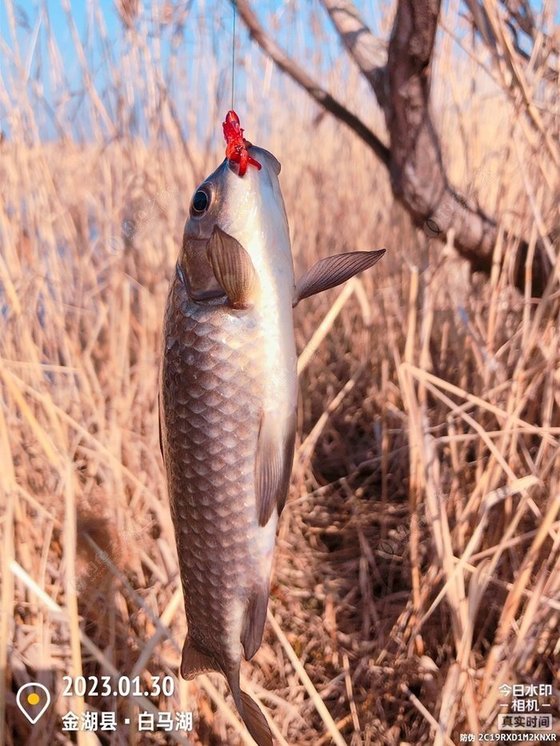
Now for bait—this is make or break. Since the water’s murky, bright, smelly bait is your best friend. Red worms are my go-to (they’re the “universal bait” for a reason), but if you want to step it up, use red-colored soft plastics or scented lures. The bright red stands out in murky water, and the smell draws fish in from far away. I once used a red plastic worm and caught 3 bass in 15 minutes. It’s like magic!
And don’t forget about live bait—crayfish and minnows work wonders in flooded waters. Fish are used to eating whatever’s available, so live prey is impossible for them to resist. Just make sure your bait is fresh—dead bait won’t get you any bites.
Final Thoughts: Have Fun and Learn From Every Trip
At the end of the day, fishing’s about having fun, right? Even if you don’t catch a monster fish, you’re outside, breathing fresh air, and away from your phone. These tips will definitely up your game after summer water rises, but every spot is different. Take notes—what worked today might not work tomorrow. I keep a little notebook in my tackle box where I write down the spot, the bait, and how many fish I caught. It’s saved me so many times!
Next time the summer rains come and the water rises, don’t rush out. Wait a day, check the spot, and pick one of the spots I told you about. I guarantee you’ll have a better trip than your buddies who bolted out at dawn. And if you catch a big one? Tag me in your photos—love seeing fellow anglers win!