Two Key Tips for Fishing for Snakehead in Fall: From a Seasoned Angler’s Playbook
Let’s be real—every season has its own fishing “vibe,” right? Spring’s all about chasing fish into shallow flats, summer means hiding in the shade like we’re avoiding a sunburn, but fall? Fall’s that sweet spot where the air’s crisp, the coffee tastes better, and the fish? Oh, they’re hungry. Like, really hungry. And if you’re after snakehead (aka “freshwater bullies” because let’s be honest, they’re the tough guys of the pond), fall is your last chance to land one before they hunker down for winter. So let’s break down the two big tips I swear by for fall snakehead fishing—no fancy jargon, just what I’ve learned from getting skunked… and sometimes winning big.

1. Why Fall Fishing = “Bank Fishing First” (Trust Me, I’ve Tried the Middle)
First off, let’s get one thing straight: fall is the golden age of bank fishing. I used to waste hours casting to the middle of lakes, thinking “bigger water = bigger fish.” Nope. Total rookie move. Here’s why the edges are where it’s at:
Water Temperature: The Fish’s Version of a Heated Blanket
As the air cools down, shallow water near the bank warms up way faster than the deep stuff. Think about it—if you’re a fish, where would you hang out? The spot that feels like a cozy campfire, or the deep, cold abyss that’s basically a freezer? Exactly. Snakehead (and all fish, tbh) are cold-blooded, so they chase warmth like we chase pumpkin spice lattes in October. Shallow banks = quick warm-ups = happy, hungry fish.
Natural Bait Buffet: The Bank Is a Free Grocery Store
Fall winds pick up, right? Those gusts blow all kinds of snacks into the water—grass seeds, berries, bugs, even the occasional frog that’s not paying attention. So the bank becomes a floating buffet. Fish don’t want to swim miles for food when dinner’s literally right at the shoreline. It’s like ordering takeout instead of cooking—lazy, but efficient. And snakehead? They’re not above raiding that buffet.
Pro Bank Fishing Moves (Don’t Screw This Up)
Okay, so you’re gonna fish the bank. But here’s the catch (pun intended): snakehead are skittish. Like, “if you so much as breathe too loud, they’ll bolt” skittish. So follow these rules:
- Use a long rod (7+ feet). Why? So you can stand back from the water. If your shadow falls on the spot you’re casting? Game over. Snakehead see that silhouette and think “predator!”
- Stay quiet. No yelling, no slamming your tackle box, no dropping your phone (guilty of that once—lost a bite because of it).
- Pick your bait smart. Fall bait depends on the water temp, but for snakehead? Spoiler: they love meat. More on that later.
2. Fall Snakehead Fishing: The “How-To” (No More Guessing Games)
Snakehead are not your average fish. They’re aggressive, territorial, and basically the bouncers of the lake. But fall? They’re on a mission to fatten up for winter. Miss this window, and you’ll be waiting until next spring to fight one. Here’s how to outsmart them:
Step 1: Find Their “Happy Place” (This Is Make or Break)
Snakehead don’t just hang out anywhere. In fall, they’re looking for three things:
- Sunlight: Warm, shallow spots (1-3 feet deep) where the sun hits all day. Think of it as their tanning bed.
- Cover: Weeds, grass beds, or even fallen branches. They hide here to ambush prey… and to avoid you (rude).
- Food: Where there are small fish, frogs, or crayfish, there are snakehead. They’re like the bullies that steal lunch money—except their lunch is other fish.
So where to look? Try:
- Weed edges in lakes or ponds
- Shallow coves with lots of grass
- Backwaters where the water’s calm (snakehead hate rough water—who doesn’t?)
Step 2: Bait That Actually Works (Skip the “Fancy” Stuff)
Let’s cut to the chase: snakehead are carnivores. They don’t care about your “organic corn” or “flavored dough.” They want meat. Here’s what I use:
Option 1: Live Bait (The “Sure Thing”)
Nothing beats a live minnow, frog, or crayfish. Tie it on a hook, cast it near the weeds, and wait. But pro tip: use a bobber? No way. Snakehead are bottom feeders (well, near-bottom), so let the bait sink to the bottom. Just make sure your line is tight—you’ll feel that bite like a punch to the hand.
Option 2: Lures (For the “I Don’t Want to Touch Worms” Crowd)
If live bait’s not your jam, try these lures:
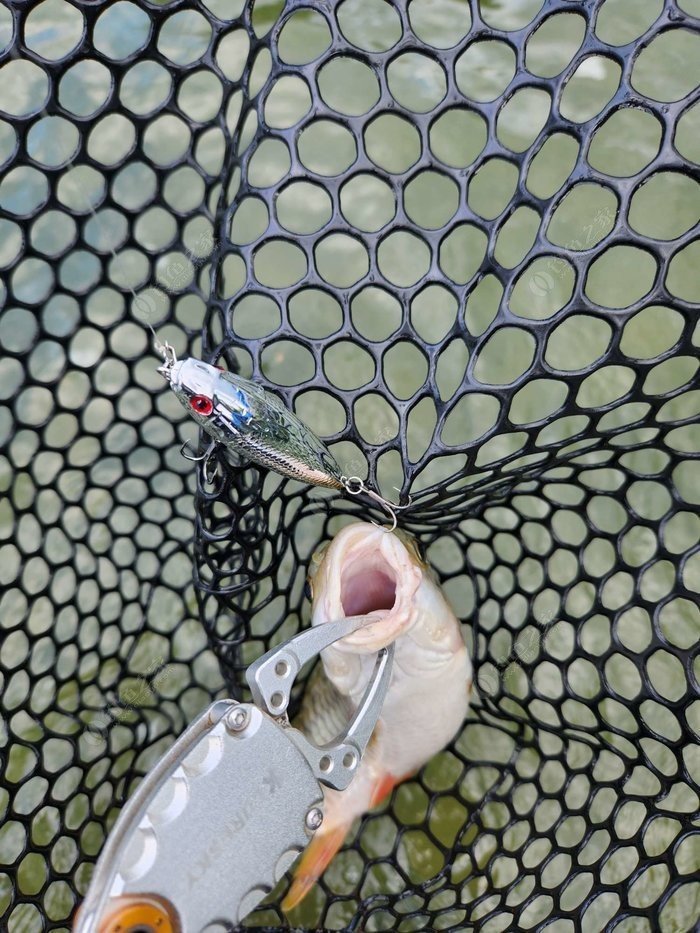
- Swimbaits: They look like small fish, and snakehead can’t resist.
- Jigs with crawfish patterns: Perfect for imitating that crunchy snack.
- Topwater frogs: Great for skimming over weeds—snakehead will explode out of the water to grab it (so cool, but also scary when it happens).
Step 3: How to Spot Snakehead (The “Sherlock Holmes” Part)
You can’t catch what you can’t find. So here’s how to spot them:
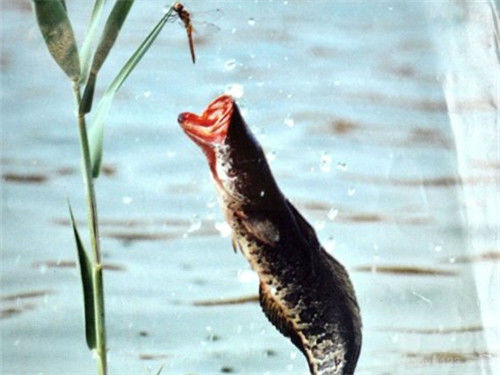
- Look for “bulges” in the water. Snakehead will pop their heads up near the surface—like they’re checking if the coast is clear. If you see a dark shape bobbing in the weeds? That’s your target.
- Listen for “splashes.” Snakehead are messy eaters. When they attack prey, you’ll hear a loud “splash” or “slap” on the water. It’s like they’re announcing their meal.
- Watch the small fish. If all the minnows suddenly dart away from a spot? That’s a snakehead nearby. They’re the ultimate party poopers.
Step 4: The Fight (Don’t Let Them Win)
Once a snakehead bites? Hold on. These fish are strong—like, “your rod will bend in half” strong. They’ll fight hard to get back to the weeds (their safe zone). So here’s what to do:
- Keep your rod tip up. Don’t let it dip—this keeps the line tight and prevents them from hiding in the weeds.
- Reel fast, but don’t yank. Snakehead have tough mouths, but if you pull too hard, you’ll rip the hook out.
- Use a net. These fish are slippery—you don’t want to lose one at the last second. I’ve had a snakehead jump out of my hands before. Not fun.
Oh, and one last thing: snakehead are invasive in some places (like the US). So if you catch one, don’t throw it back. Check local regulations—most places say to kill them. I know it sounds harsh, but they mess up native fish populations. Better to turn it into dinner (they’re actually pretty tasty, if you’re into that).
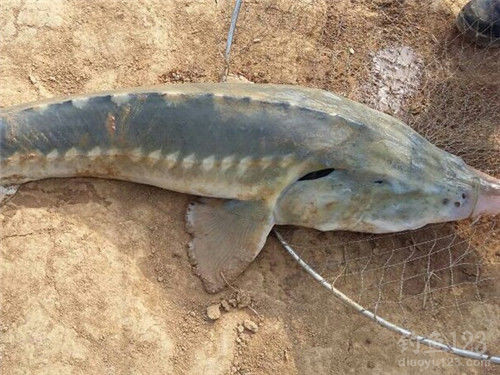
Last fall, I spent a Saturday chasing snakehead at a local pond. I walked the bank for an hour, not seeing a thing. Then, I heard a loud splash near a weed bed. I cast a swimbait right where the splash was, and boom—my rod nearly flew out of my hand. It took 10 minutes to reel that bad boy in, and when I got it to the bank? It was 2 feet long. I felt like a fishing legend. Then I remembered I had to kill it (rules), so I took a pic, did what I had to do, and went home with a story to tell. That’s the thing about fall snakehead fishing—even when it’s tough, the wins are worth it.
So this fall, skip the middle of the lake. Hit the bank. Use meaty bait. And keep your eyes peeled for those telltale bulges and splashes. You might just land the biggest snakehead of the season. And if you don’t? Well, at least you got to spend a day outside with a rod in your hand. That’s a win too… right? (Okay, maybe not if you get skunked, but still.)