




What Is Another Name for the “Hao Er Yu” Fish? Uncovering Its Aliases and Secrets
Okay, let’s cut to the chase—if you’ve ever wandered into a Chinese restaurant, flipped through a seafood menu, or even chatted with a fishing buddy, you’ve probably heard of “Hao Er Yu.” But wait, what is this fish, and why does it have so many nicknames? I’ve lost count of how many times I’ve asked, “Wait, is this the same as that other fish?” Spoiler: Yes, it is. Let’s break down everything you need to know—from its official name to why it’s such a big deal in fishing and cooking.

1. Fish Species Breakdown: What Is Hao Er Yu, Anyway?
First things first: Hao Er Yu’s scientific name is Thamnaconus modestus (or sometimes lumped under the broader Navodon genus, but let’s keep it simple). But here’s the thing—this fish goes by tons of common names, depending on where you are and who you’re talking to. Let’s list ’em out so you don’t get confused:
- Peeling Fish (because… wait, we’ll get to that)
- Leatherjacket Fish (thanks to its tough skin)
- Filefish (a general term for its family)
- Elephant Skin Fish (yep, that skin is that thick)
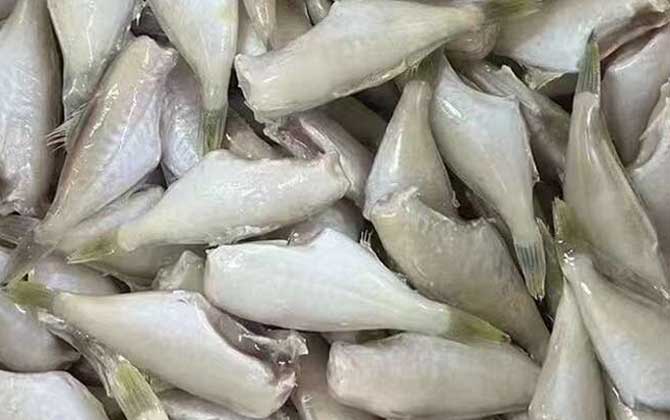
Biologically, it’s part of the animal kingdom, chordate phylum, bony fish class, Tetraodontiformes order, Monacanthidae family, and Thamnaconus genus. Fun fact: It’s one of the most important edible fish in East Asia—so important that commercial fisheries target it like crazy. But here’s a catch (pun intended): Its skin is rough, tough, and super stretchy. You have to peel it off before cooking. I’ve tried cooking it with the skin on once—never again. It’s like biting into a rubber band wrapped in sandpaper. Trust me, peel it first.
2. Life Habits: Where Does Hao Er Yu Live, What Does It Eat?
Okay, so now you know its names—let’s talk about how this fish actually lives. I’ve spent a few weekends deep-sea fishing with a buddy who’s obsessed with catching these guys, so I’ve picked up a thing or two. Here’s the lowdown:
2.1 Habitat: Warm Waters, Deep Dives
Hao Er Yu is a warm-water fish, so you’ll find it in the Western Pacific—think East China Sea, Yellow Sea, even parts of the Sea of Japan. It hangs out at depths of 50 to 120 meters (that’s like 165 to 395 feet—pretty deep!). The sweet spot for water temperature is 14 to 17°C (57 to 63°F)—so not too hot, not too cold. Oh, and it’s a schooling fish—you’ll never catch one alone. They swim in big groups, which is why commercial nets can haul in tons of them at once.
One weird quirk: During winter (when they’re hibernating) and spawning season, they do this vertical migration thing. Daytime? They swim up closer to the surface. Nighttime? They sink back down to the depths. My buddy says he’s seen their sonar blips move up and down like a yo-yo at dawn and dusk. Wild.
2.2 Diet: Omnivore That Loves Plankton
These guys aren’t picky eaters—they’re omnivores. But their main meal ticket is zooplankton: tiny crustaceans like copepods, ostracods, and amphipods. Think of it as the fish version of a salad bar for tiny sea bugs. But they’ll also munch on:
- Mollusks (like small clams or snails)
- Benthic worms (worms that live on the ocean floor)
- Coral polyps (if they’re in the right area)
- Organic debris (dead plant/animal stuff floating around)
My buddy once found a stomach full of copepods in one he caught—looked like a tiny shrimp buffet. Gross? Maybe. Interesting? Definitely.
2.3 Reproduction: Slow Growers, Big Migrations
Hao Er Yu takes its time to mature—usually 2 to 3 years before it’s ready to spawn. Spawning season is April to May, and here’s the kicker: They only spawn once a year. So if overfishing happens, their populations can take a hit (which is why some areas have strict quotas now).
When they spawn, they do a long-distance migration—swimming hundreds of kilometers to their spawning grounds. The eggs are sticky (so they stick to the ocean floor) and fertilized outside the body. My buddy says he’s seen spawning groups so big, they show up as a giant blob on sonar. Crazy to think about tiny eggs turning into those tough-skinned fish!
3. Common Species: Which Ones Are You Actually Catching?
Okay, so “Hao Er Yu” is a general term, but there are a few key species that get lumped under that name. Let’s break ’em down—these are the ones you’ll see in markets or on menus:
3.1 Thamnaconus modestus (Common Filefish)
This is the type species of the Thamnaconus genus. It’s found all over the Western Pacific—from China’s East China Sea up to Japan’s Yellow Sea. It’s smallish: 18 to 28 cm (7 to 11 inches) long, 200 to 400 grams (7 to 14 ounces) heavy. This is the one you’ll most often see labeled “Hao Er Yu” in local markets.
3.2 Thamnaconus septentrionalis (Greenfin Filefish)
This is the star of commercial fishing—super important for fisheries. It’s also in the Western Pacific, but it likes deeper water (50 to 120 meters, same as the common one). The giveaway? Its second dorsal fin, pectoral fins, and anal fins are bright green. My buddy swears these taste the best—sweeter, more tender. I’ve had it grilled, and he’s not wrong.
3.3 Thamnaconus xanthopterus (Yellowfin Filefish)
Another big commercial catch—this one’s fins are bright yellow (duh, the name gives it away). It’s also a bottom trawling target, so you’ll see it in frozen fish sections a lot. It’s a bit bigger than the common one, but not by much. I’ve had this in a fish soup once—super flavorful.
3.4 Thamnaconus tessellatus (Dense-spotted Filefish)
This one likes muddy or sandy bottoms (around 100 meters deep—wow, that’s deep!). It’s 20 to 30 cm (8 to 12 inches) long, 200 to 500 grams (7 to 18 ounces). The “dense-spotted” part comes from the tiny spots all over its body. My buddy says these are harder to catch because they’re in deeper water, but worth it for the meat.

4. Why Is Hao Er Yu So Popular (Even With the Tough Skin)?
Let’s be real—peeling that skin is a pain. So why do people love this fish so much? Two words: tender meat. It’s white, flaky, and has a mild, sweet flavor that works in so many dishes. Grilled, fried, in soup, even as fish balls—you name it, Hao Er Yu does it. Plus, it’s affordable. In East Asia, it’s a staple for families because it’s cheaper than fancier fish like salmon or tuna, but just as tasty.
Oh, and here’s a fun fact: The skin isn’t totally useless. Some people use it to make leather (hence the “Leatherjacket” name) or even as sandpaper for woodworking. Wild, right? I’ve never tried that, but my grandpa swears he used it to sand a chair once. Said it worked better than store-bought sandpaper.
5. My Personal Experience: Catching and Cooking Hao Er Yu
Okay, let’s get personal. Last summer, I went deep-sea fishing with my buddy Jake (the Hao Er Yu fanatic) off the coast of Qingdao. We left at 5 a.m. (ugh, not a morning person), and by 7 a.m., we were dropping lines 100 meters down. Jake said, “Just wait—you’ll know when you catch one. They fight like crazy.”
Sure enough, 10 minutes later, my rod started bending like a noodle. I reeled and reeled, and when I pulled it up? A greenfin filefish—bright green fins, tough skin, about 25 cm long. Jake yelled, “That’s a keeper!” We ended up catching 12 that day—enough for a big dinner with friends.
When we got back to shore, Jake showed me how to peel it: Grab the skin at the head, yank it down (it comes off in one piece, like a banana peel—weird but cool), then gut it. I tried peeling one, and it took me 5 minutes (Jake did it in 30 seconds—show-off). Then we grilled ’em with garlic, ginger, and soy sauce. Oh my god—so good. The meat was tender, the flavor was mild, and the garlic/ginger added just the right kick. I ate three whole ones (bones and all—wait, no, you have to pick out the bones, but they’re small). 10/10, would do again.
Another time, I had it in a hot pot at a Chinese restaurant. The server brought it peeled and sliced, and it cooked in 30 seconds. Super fresh, super tasty. I even asked the chef what he called it—he said “Peeling Fish” (obviously) but also “Elephant Skin Fish” because of the tough skin. Makes sense.
6. Quick Tips for Anyone Trying Hao Er Yu
If you’re curious and want to try this fish, here are my quick tips:
- Buy peeled if you’re lazy: Most markets sell it already peeled. Saves you the hassle (and the sore fingers).
- Cook it fresh: It doesn’t keep super well frozen, so eat it within a day or two of buying.
- Grill or fry it: These are the best ways to bring out the flavor. Avoid overcooking— it gets tough (ironic, right? The skin is tough, but the meat is tender).
- Don’t skip the bones: Wait, no—pick out the small bones, but the big backbone is easy to remove. Or just eat around them (I do that sometimes).
Also, if you’re fishing for it: Use a heavy line (they fight hard), and fish at dawn or dusk (when they’re moving up/down). Jake uses a small hook with a piece of squid as bait—works every time.
Oh, and one last thing: If you see it labeled “Filefish” on a menu, that’s probably Hao Er Yu. Don’t be scared—just order it. You won’t regret it.
Now, I’m curious: Have you ever tried Hao Er Yu? What did you think? Drop a comment below—I’d love to hear your stories. And if you haven’t tried it yet, go find some at your local Asian market or restaurant. Trust me, it’s worth the (minor) hassle of peeling.


