Winter Raft Fishing: Line Setup & Techniques for Success
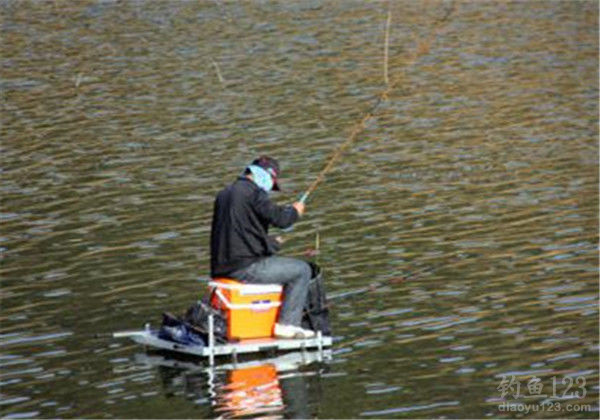
Let’s be real—winter fishing can suck if you’re stuck on the bank with a hand rod. The water’s cold, fish are deep, and half the time you’re just staring at a frozen float. But raft fishing? Oh, it’s a game-changer. I’ve spent more weekends than I care to admit chasing winter crappie and bass from rafts, and let me tell you—when you nail the setup, it’s like having a secret weapon against those stubborn cold-water fish. Today, we’re breaking down everything: from the best spots to cast, to line configurations that won’t snap when a big one hits, and even the tiny tweaks that make all the difference between going home empty-handed or with a cooler full of fillets. Let’s dive in!

1. Understanding the Perfect Raft Fishing Spot
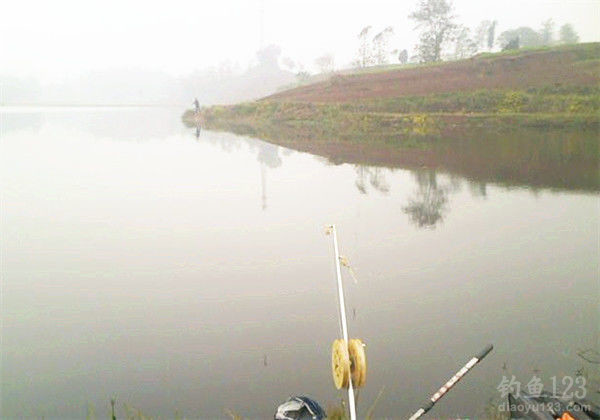
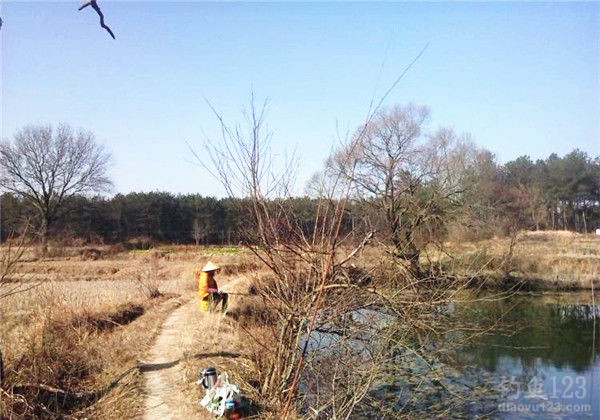
First things first: not every body of water works for raft fishing. I’ve made the mistake of dragging my raft to a tiny creek with tons of reeds—total disaster. The line got tangled, the raft got stuck, and I went home with zero fish (and a very bruised ego). So what’s the sweet spot?
Key Spot Requirements
- Big enough to float a raft, but not so big you’re searching for a needle in a haystack. Aim for widths under 100 meters—trust me, wide lakes mean sparse fish, and you’ll spend more time rowing than fishing.
- Clean bottom. No rocks, no logs, no thick weeds. I once lost three rigs in one hour because I didn’t check the bottom—never again. A clean bottom lets you drag your line without constant snags, so you can actually focus on fishing.
- Deep water away from the bank. Winter fish don’t want to hang out in shallow, cold water. They head to the middle, where the temperature’s more stable. So skip the shore—aim for spots 10+ meters out.
Bonus tip: Look for sheltered, sunlit areas. Fish love warm spots, even in winter. A cove that gets morning sun? That’s gold. I’ve caught more crappie in sunlit deep coves than anywhere else—they huddle there like we huddle around space heaters.
2. Gear That Won’t Let You Down (Trust Me, I’ve Tested It)
Let’s talk gear. I’ve used cheap rods that snapped mid-fight, reels that seized up in the cold, and line that turned brittle faster than a popsicle. Don’t make my mistakes. Here’s what works:
Rods & Reels
For winter raft fishing (especially for panfish like crappie), you don’t need a 10-foot monster. A 1.8-meter rod is perfect—it’s light enough to feel bites but strong enough to haul in a surprise bass. Reels? Skip the tiny ones. I once had a 2-pound bass spool me because my reel was too small—total heartbreak. Go for a mid-sized reel with smooth drag. It’s worth the extra $20.
Line & Rigs
Line is make-or-break. Here’s my go-to setup:
- Main line: 2-pound test. Thin enough to feel bites, strong enough for most winter fish.
- Leader line: 1–3-pound test (match it to the main line to avoid knots breaking).
- Hook size: 4. I use stream hooks or light wire hooks—they’re sharp enough to hook fish but small enough that even shy winter bites land.
- Leader length: 5 cm max. Long leaders get tangled in the current, and you’ll miss bites. Keep it short and sweet.
- Hook gap: 1–2 cm wider than the leader. This prevents tangles when you’re casting or dragging.
Pro move: Tie a small swivel between the main line and leader. It cuts down on twists, which is a lifesaver when you’re dragging your rig across the bottom.
3. Rod Positioning: The Secret to Feeling Bites
Unlike hand fishing with a float, raft fishing relies on feeling bites through the rod tip. Get this wrong, and you’ll miss half your bites. I’ve tried all three positions—here’s when to use each:
1. Tight Tip (For Active Fish)
If the water’s a bit warmer (above 50°F) or fish are chasing bait, tighten the line so the tip’s slightly bent. This makes even tiny bites easy to feel. Just don’t over-tighten—you’ll pull the bait away before the fish bites.
2. Straight Line (For Slow Bites)
When it’s freezing (below 45°F) or fish are being super lazy, just keep the line straight—no bend in the tip. Cold fish take forever to bite, and a tight tip will yank the bait away. I learned this the hard way: one winter morning, I had a 3-pound catfish nibble for 10 minutes before finally taking the bait. If my tip was tight, I would’ve missed it.
3. Loose Line (For Spooky Fish)
Sometimes fish are so skittish that even a straight line scares them. Loosen the line so it’s slack—just watch the tip for movement. This is rare, but when it works? Magic. I once caught a monster crappie using this method when nothing else worked.
Quick tip: If you’re catching a lot of fish, raise the rod tip a bit. It keeps the line out of the way of debris and makes bites easier to spot.
4. Reading Bites: What Your Rod Tip Is Trying to Tell You
Winter bites are sneaky. You can’t rely on a float bobbing—you have to read the rod tip. Here are the four bites you’ll see most often:
- Light Nods (No Snap Back): Small panfish (like bluegill) testing the bait. Wait 2 seconds before setting the hook—let them commit.
- Quick, Repeated Nods: Active fish (maybe a school of crappie) hitting the bait. Set the hook immediately—they’re not messing around.
- Nod Then Slack Line: Fish picking up the bait and swimming toward you. This is a big one—set the hook fast before they drop it.
- Slow Tension (No Snap Back): Big fish (like bass or catfish) taking the bait slowly. This is the bite you don’t want to miss—wait for the tension to build, then set the hook hard.
I once had a 4-pound bass do the slow tension bite. I almost didn’t notice—my rod tip just started pulling slowly, like someone was tugging a rubber band. When I set the hook, it fought like crazy. That’s the bite that makes winter raft fishing worth it.
5. Finding the Fish: Where to Drop Your Line
Fish don’t just hang out anywhere in winter. They’re in specific spots, and if you don’t find them, you’ll go home empty-handed. Here’s where to look:
1. Deep Water (10+ Meters Out)
This is non-negotiable. Winter fish can’t handle shallow, cold water. They head to the deepest parts of the lake or reservoir. I always use a depth finder (even a cheap one) to mark the deepest spots—worth every penny.
2. Sunlit Areas
Sunlight warms the water, even in winter. Look for coves or spots that get morning sun. I’ve caught more fish in sunlit deep water than anywhere else—fish cluster there like we cluster around campfires.
3. Edge of Weeds/Structure
Even if the bottom is clean, fish love hanging around the edge of weeds or sunken logs. It gives them cover from predators. Just don’t cast into the weeds—you’ll get snagged. Aim for the edge, 1–2 meters away.
Pro move: Drag your rig slowly across the bottom. Winter fish are lazy, but they’ll chase a slow-moving bait. I once dragged my rig for 5 minutes and caught three crappie—they were just sitting there, waiting for something easy to eat.
6. Baiting: How to Get Fish to Your Spot
You can have the best setup in the world, but if you don’t bait the spot, you’ll catch nothing. Winter fish are slow, so you need to give them time to find your bait. Here’s my method:
1. Make a Small, Sticky Bait Ball
Use a sticky bait (like bread mixed with corn or fish meal). It stays on the hook longer and doesn’t dissolve fast. Roll it into a small ball—about the size of a marble. Big bait balls just sink to the bottom and rot.
2. Cast Far (Within Raft Range)
Cast the bait ball as far as your raft can reach—15–20 meters is perfect. You want the bait to land in the same spot every time, so mark your raft with a marker (like a buoy or a stick) to keep it in place.
3. Wait (Yes, Wait)
This is the hardest part. I once baited a spot at dusk, then came back at 10 AM the next day. The bite was insane—fish had been feeding there all night. Don’t rush it. Give the fish time to find your bait.
Bonus tip: Add a little scent to your bait. Winter fish rely on smell more than sight. I use garlic scent or fish oil—works like a charm.
7. Setting the Hook: Don’t Blow It
You see the bite—now what? This is where most people mess up. Here’s the right way:
- Set the hook immediately (except for light nods—wait 2 seconds).
- Keep the movement small—half a foot max. Big swings pull the bait away or break the line.
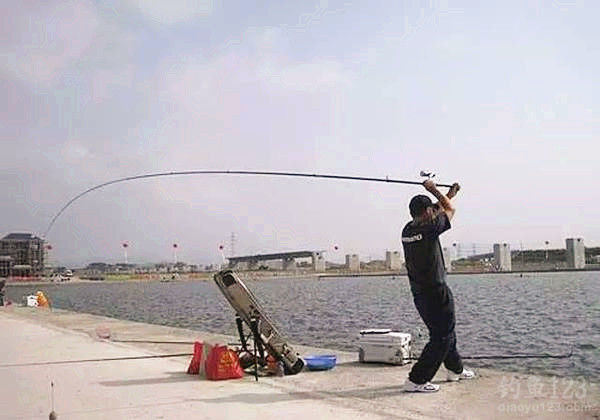
- Tighten the line and reel fast. Don’t let the fish run—keep tension on it.
I once set the hook too hard and broke my line on a 3-pound bass. Total bummer. Now I keep my set small and fast—works every time.
And if you miss? No big deal. Just drop the rig back in the same spot. Fish often school, so if you miss one, there’s probably another right behind it.
Okay, let’s be honest—winter raft fishing isn’t for everyone. It’s cold, it takes patience, and sometimes you’ll go home with nothing. But when you nail the setup, find the right spot, and feel that rod tip pull? It’s worth every frozen finger. I’ve spent hours on rafts, watching the sun rise over the water, and catching fish that most hand fishermen never see. It’s not just about the catch—it’s about the quiet, the cold air, and the thrill of outsmarting a fish that’s been surviving all winter. So grab your raft, test these tips, and let me know how it goes. Just don’t forget the hot cocoa—you’ll need it.