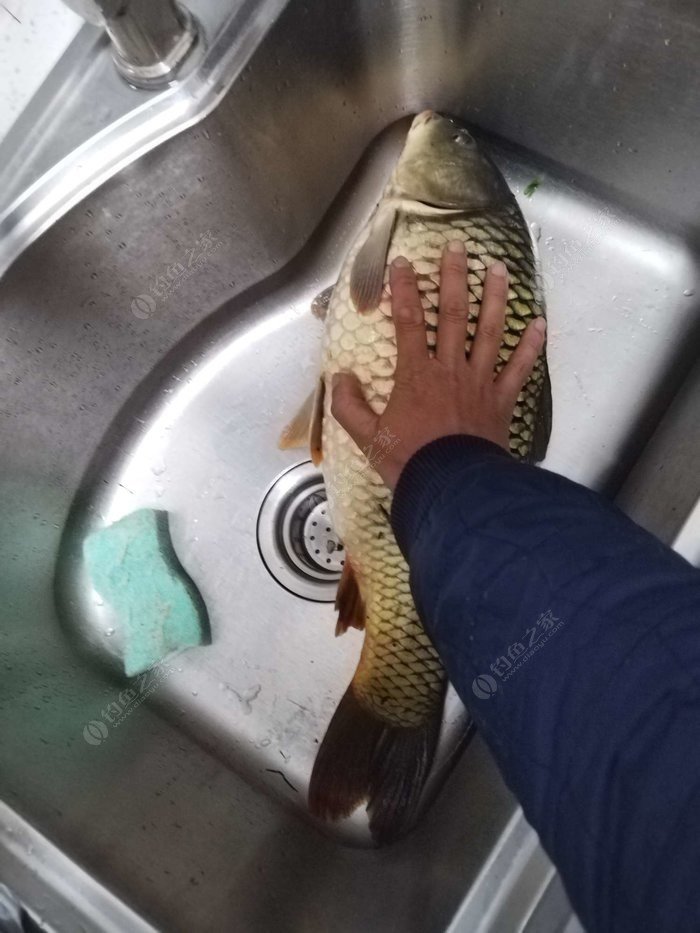
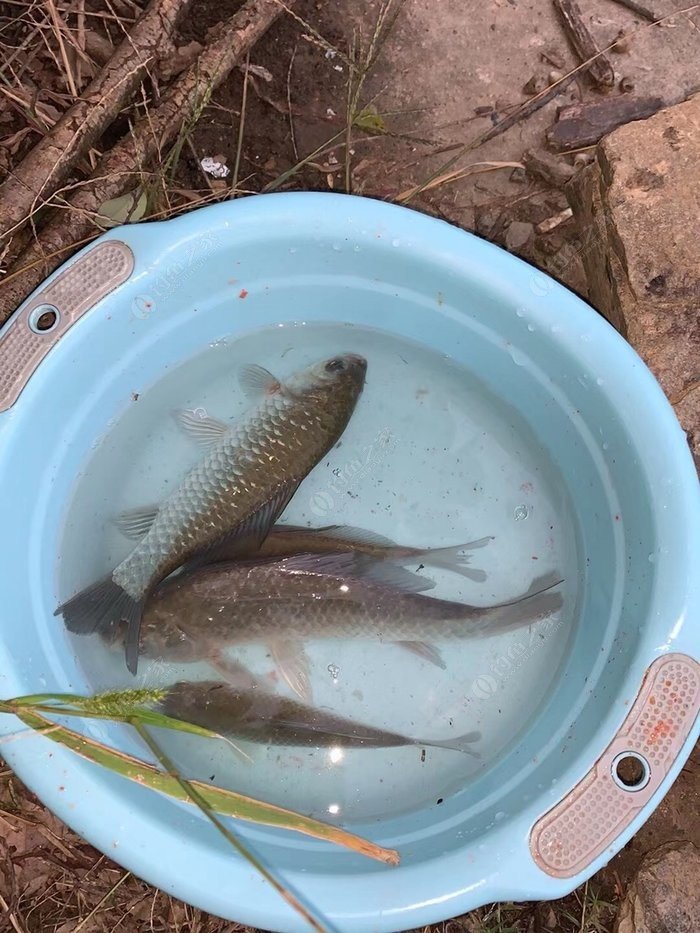
Winter Reservoir Carp Fishing: Expert Tips for Success in Cold Months
Carp fishing in winter? Let me tell you, it’s not for the faint of heart-but when you nail the right techniques, there’s nothing like reeling in a big carp on a crisp winter morning. I’ve spent years learning the ropes of winter reservoir carp fishing, and trust me, the cold months can be both challenging and rewarding if you know what you’re doing. In this guide, I’ll share my best tips on weather, spots, tackle, and bait to help you score big even when the mercury drops.
1. Weather & Timing: Your First Step to Success
First off, forget those “any day” plans. Winter carp fishing is all about timing the weather right. After the Frost Festival (around late October to November in northern regions), most reservoirs start freezing, but larger ones might stay open longer. Here’s the key: check the forecast 1-2 days before your trip. Sunny days are your best bet-windy or rainy conditions slow carp down, and they’ll retreat to deeper, warmer spots. I once went out on a cloudy, rainy day and caught exactly zero carp; the fish were too sluggish to move. Lesson learned: sunny, calm days are golden for winter carp.
When to hit the water? Aim to arrive around 6:30 AM. That’s when the sun’s just starting to warm the water, making carp more active, and you’ve got time to scout spots before the crowds. I remember one early morning where I arrived at 6:30 AM, set up in a bay, and had my first carp bite by 8 AM. Perfect timing! Pro tip: If you’re driving, factor in extra time for icy roads-safety first, and frozen fingers won’t help your cast.
2. Picking the Perfect Spot: Deep, Quiet, and Fish-Friendly
In winter, carp aren’t roaming randomly-they’re on a mission to stay warm and find food. Your first priority: deep, sunlit spots. Carp love water 10-15 feet deep, especially if it’s warmed by the sun. Look for these hotspots:
- Dam heads: The concrete or earthen walls retain heat and attract carp looking for structure.
- Bay corners: Coves where the water bends and sun hits for hours, creating a warm microhabitat.
- Sunken structures: Old tree stumps, sunken logs, or rocky outcrops-carp hide here for shelter and warmth.
Avoid these “no-go zones”:
- Roads or near farmhouses-truck noise, human activity, and boat traffic scare carp.
- Shallow bays with clear water-carp avoid bright, shallow areas in winter.
- Busy boat ramps-constant splashing and motors keep carp away.
I once ignored this advice and fished near a busy road. I spent 4 hours with zero bites because the carp wouldn’t come within 50 feet of the noise. Moral: Scout quietly and stay away from chaos!
Once you’ve narrowed down a spot, test the bottom before setting up. Tie a heavy lead (no hook) to your line and cast it out. Slowly retrieve it-if it glides smoothly, the bottom is flat and even. If it gets stuck or jostles, move 2-3 meters and cast again. This step saved me from wasting bait on uneven ground. I once found a hidden rock that was ruining my casts; the lead test is your secret weapon!
3. Gear Up: The Right Rod, Line, and Hooks for Winter
Winter carp fishing gear needs to be robust yet lightweight. Here’s my tried-and-true setup:
- Rods: 6.3-7.2m high-quality hand rods. Why? 5.4m and shorter are too shallow for winter carp-they stay deep, and 5.4m rods can’t reach those spots. I carry two rods: one for backup if the first gets a big hit.
- Safety Leash: A “shou shi sheng” (safety leash)-attach this to your rod handle. Trust me, I’ve seen too many anglers lose their rods to big carp when they forget this. The leash stops the rod from sliding into the water if a carp bolts.
- Line Setup: Main line: 1.2lb test (strong enough for winter carp, which aren’t as feisty as summer fish). Subline (leader): 0.6-0.8lb test. Too thick, and the bait is hard to swallow; too thin, and it breaks. I once used 1.0lb subline and lost a carp because the line snapped-stick to 0.6-0.8!
- Hooks: Iseini No.4 or Ido No.5. Size 4-5 is perfect-too big, and carp spit the bait; too small, and they’ll pull it off. I switched to these sizes after years of missing bites with bigger hooks.
- Float & Depth: Adjust to “5:3” sensitivity. In winter, carp have light bites, so set your float to 5 units above water and 3 units below. This balances sensitivity (small bites) and visibility (big carp). I messed up once by setting it too shallow-small crucian fish kept stealing bait! 5:3 was the fix.
Pro tip: Pack extra hooks and sublines. You’ll want to replace them if they get bent or frayed from rocks.
4. Bait & Nest Building: The Key to Luring Carp in Cold Water
Winter carp are lazy-they need a strong incentive to come to your hook. The secret? Alcoholic, sweet-smelling bait that wakes up their taste buds. Here’s my go-to recipe:
- Base Bait: 1000g steamed large corn residue (broken corn kernels), 500g bran, and 250g sweet rice wine (if you don’t have this, use a liquor made with cloves, cinnamon, and kaempferia-just 1-2 caps per 1000g). Mix and seal in a plastic bag overnight to ferment. The sweet, boozy smell is irresistible to carp!
- Nest Size: Form 5-7 fist-sized balls of bait and throw them in a “plum blossom” pattern (spaced 2-3m apart). Reservoir carp are scattered, so you need to spread the scent far. I once threw too few balls and had to wait 3 hours for fish to arrive-big nests = faster action!
- Patience to Wait: Let the bait “wake up” for 1 hour before casting. Carp are slow in winter, so rushing leads to no bites. I used to cast immediately and waste bait; waiting 60 minutes ensures the carp have time to smell and find the spot. Trust me, it’s worth it!
For the hook bait, I have two options:
- Option 1: Mix corn flour with honey water (steamed), then add a dash of commercial carp bait (5:1 ratio). This keeps the natural corn smell, which carp love.
- Option 2: Use a commercial mix: 40% feed powder + 30% lake carp mix + 10% potato bait + 10% sticky powder + 10% seaweed. Add water to form a soft ball-add extra sticky powder if it’s too watery. I use this when small fish are too aggressive and need bigger bait.
Pro tip: If small fish (like crucian) are swarming, make your bait bigger (like a peanut) to prevent them from stealing it. In winter, carp will take anything that smells good, so don’t overcomplicate it!
5. The Final Game Plan: When to Cast, When to Reel
After setting up, wait for the magic to happen. Here’s the drill:
- Wait 1 hour after baiting-carp need time to find the nest (they’re slow!).
- Watch for “fish stars” (bubbles) on the surface-this means carp are in the area.
- Cast gently-no big splashes! Carp are skittish in winter.
- When you see the float do: 2 small dips, then a sudden 1-2 unit rise or fall-that’s the carp biting!
- Reel slowly and steady-don’t rush. Winter carp don’t fight hard, so you can gently pull them in.
Pro tip: Keep the rod tip down to avoid spooking the fish. I once lifted my rod too fast and the carp spit the bait-slow, steady is the way to go!
So, to recap: Winter reservoir carp fishing is about patience, smart spot selection, and the right bait. I’ve spent countless weekends freezing my toes off, but the payoff of a big carp in winter is unmatched. Remember: sun, deep spots, alcohol bait, and a safety leash are your top tools. Now go out there, make your nest, and let me know when you land that trophy carp!