Why I Ditched Modern Gear for Traditional Fishing This Winter
Let’s be real—when the thermometer drops to single digits (we’re talking 0°C to 10°C here), most casual anglers are curled up on the couch with a hot cocoa, not hauling fishing gear to a frozen-looking pond. But here’s the thing: every seasoned angler swears by one rule post-cool-down—if the weather stays sunny and the temperature doesn’t swing like a rollercoaster, it’s prime fishing time. I’ve heard this a million times, but this year, I decided to put it to the test. And not with some fancy, high-tech setup—no, I went old-school with traditional winter fishing. Spoiler: I didn’t regret it one bit.
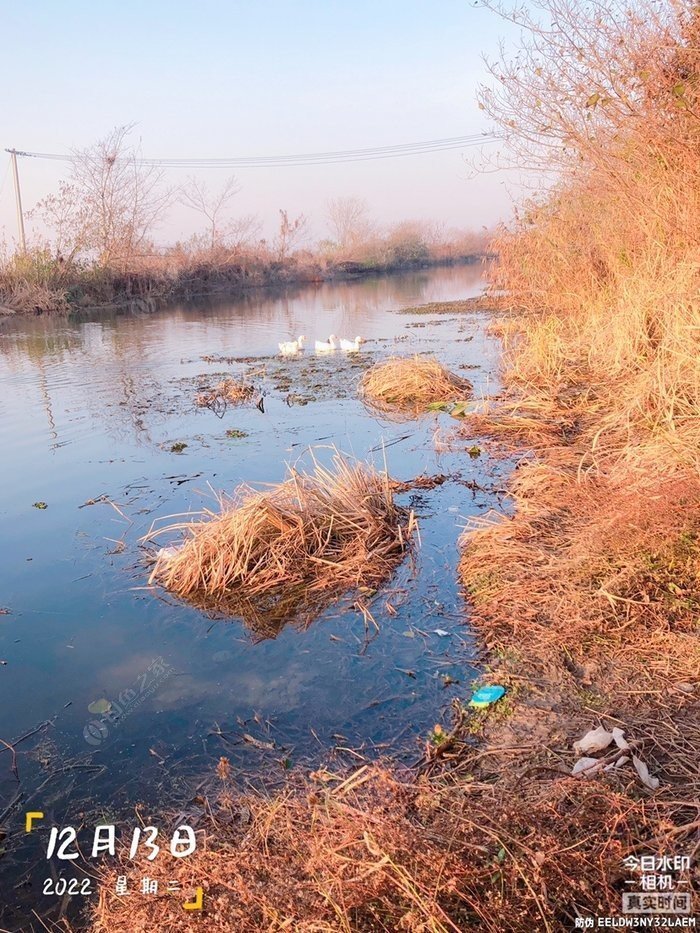
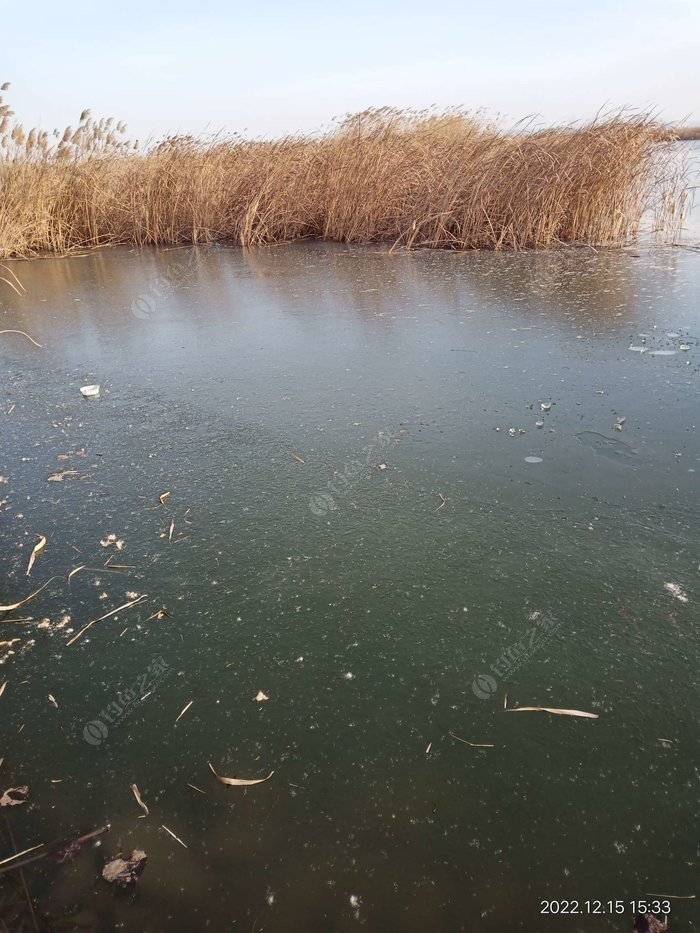
I picked a spot I’d fished back in July and August, an abandoned pond that’s been left to its own devices for years. It’s about 10 acres, split right down the middle—half open water, half thick, tangled reed beds. Last summer, all I caught were tiny crucian carp, barely big enough to fill a coffee mug. But the old-timers say the colder it gets, the bigger the carp get. So I loaded up my gear, crossed my fingers, and hit the road.

My Traditional Winter Fishing Setup (No Fancy Gadgets Allowed)
Traditional fishing isn’t about having the most expensive rods or the latest electronic bite alarms. It’s about simplicity, patience, and knowing your water. Here’s exactly what I brought with me for this winter trip—no exceptions:
The Core Gear
- Rod: A 10-meter long traditional fishing rod. Yeah, it’s bulky, but when you’re fishing in reed beds, you need that extra length to drop your bait right into the tiny gaps without scaring every fish within a 10-foot radius.
- Line & Hook Setup: A 2.5-meter 1# single line (no swivels, no leaders—just one straight line), seven-star floating bobbers, and a #5 Jinhaixi upturned hook. Upturned hooks are non-negotiable in winter, especially in weedy spots—they’re way less likely to get snagged, and they sit perfectly in the mud where crucian carp love to root around.
- Bait & Chum: I used two things here: first, Western Wind fruity rice wine for chumming the nests, and live earthworms for the hook. Wine-soaked rice is catnip for winter carp—they can resist it about as well as I can resist a warm slice of pizza on a cold day. And earthworms? They’re the ultimate winter go-to—fish don’t have much energy to chase fast-moving prey, so a wiggly worm right in their face is impossible to ignore.
- Water Depth: I stuck to spots about 80 centimeters deep. Winter carp don’t hang out in the deep, cold water like you might think—they move to shallower, sun-warmed areas where the food is. 80 cm is the sweet spot: deep enough to stay stable, shallow enough to catch the sun’s heat.
Timing is Everything (Even in Winter)
I picked December 14th, fishing from 12:00 PM to 1:00 PM. Midday is key in winter—this is when the water is at its warmest, so fish are most active and looking for food. I arrived at 8:00 AM to chum two nests in the reed gaps, then headed home for lunch. Winter fishing requires patience—you can’t just throw chum in and start fishing immediately. Those carp need time to find the food, so I gave them 3.5 hours to settle in and get hungry. Trust me, it’s worth the wait.

The Action: From Tiny Carp to a Reed Bed Monster
I got back to the pond at 11:45 AM, set up my gear, and by 12:00 PM, I was ready to cast. I threaded an earthworm onto the hook, cast it right into the first nest, and waited for the bobber to settle. It took all of two seconds.
The First Nest: Small Fish, Non-Stop Action
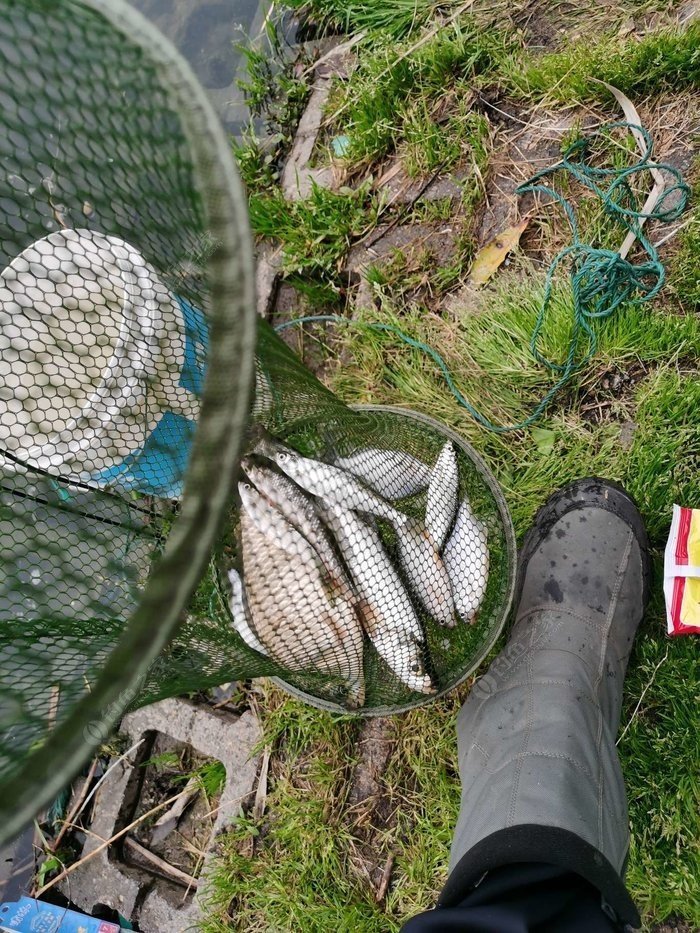
As soon as the bobber hit the bottom, it twitch twice, then popped straight up—classic crucian carp bite. I lifted the rod, and sure enough, a tiny, one-ounce carp was on the line. I was surprised at how fast the bite happened—my chum had clearly done its job. For the next 30 minutes, it was non-stop action. Every time I cast the bait into the nest, the bobber would move within seconds. I caught seven or eight tiny carp, one after another. It was fun, but I was still waiting for that big one everyone talks about.
After 30 minutes, the bites slowed down to a trickle. That’s the thing with winter carp—they’ll clean out a nest fast, then move on. So I packed up and moved to my second nest, just a few meters away in the reeds.
The Second Nest: The Big One That Made My Day
I cast the worm into the second nest, and before the bobber even had time to settle all the way down, it sank two stops and froze. Wait, that’s not normal—this water was 80 cm deep, so the bobber should have hit the bottom completely. Then it hit me: a fish had taken the bait mid-fall. I lifted the rod, and instantly felt a heavy, solid pull. This wasn’t a tiny carp—this was the big one.
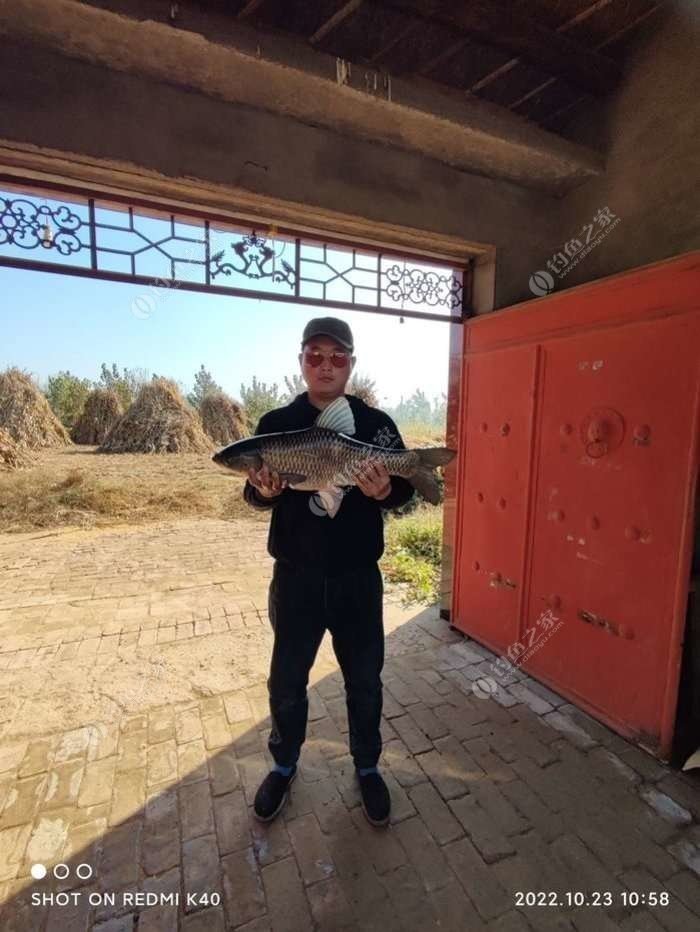
The reeds were thick all around me, so I couldn’t play the fish properly. I had to yank it straight out of the water, no messing around. After a quick, chaotic struggle, I pulled it onto the bank. I couldn’t believe my eyes—this carp was almost as big as my size 42 rubber boots. Finally, the winter carp myth was real!

After that big catch, I fished the second nest for another 20 minutes, but it was mostly small carp again. By 1:00 PM, the bites had stopped completely—winter carp don’t stay active for long, so once that midday window closes, it’s time to pack up.
My Winter Traditional Fishing Takeaways (For Any Angler)
At the end of the day, I released all the carp under two ounces—no point keeping the tiny guys. But that big one? I took a quick photo, admired it for a minute, then let it go too. It’s not about keeping the fish; it’s about the thrill of the catch, especially on a cold winter day when you’re the only person crazy enough to be out there.
If you’ve never tried traditional winter fishing, here’s my best advice: don’t let the cold scare you. Dress warm, bring a thermos of hot tea, and be patient. Fish are active in winter—you just have to know where to find them. Reed beds are your friend, midday is your window, and old-school gear works better than any fancy gadget.
And hey, if you do give it a try? Let me know how it goes. Maybe you’ll catch a carp as big as my boot too. Until then, stay warm, and keep casting.